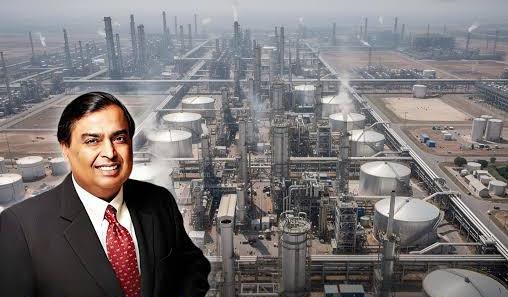
Reliance Industries has reported an unprecedented crude supply crunch in its oil-to-chemicals (O2C) segment, losing up to 50% of Middle East-linked volumes due to Strait of Hormuz disruptions. The company is now sourcing cargoes from Venezuela, Russia, Brazil, and Mexico to stabilize refinery operations and maintain output levels.
India’s energy giant, Reliance Industries, has flagged a severe disruption in crude oil supply chains during its latest earnings call. The company described the current shortage as unlike anything seen before—even compared to past geopolitical crises.
Supply Shock Hits O2C Segment
Reliance’s O2C business, a key revenue driver, has been hit by a dramatic drop in crude availability. The company revealed it lost nearly 40–50% of the feedstock required for its refinery operations, primarily sourced earlier from the Middle East.
A major portion of this supply traditionally passed through the Strait of Hormuz—a critical global oil chokepoint now severely disrupted due to ongoing geopolitical tensions. Around one-fifth of global oil flows typically transit through this route, making any disruption highly impactful.
Diversification Strategy Gains Momentum
To counter the supply shock, Reliance has rapidly diversified its sourcing strategy. The company is now importing crude cargoes from Venezuela, Russia, Brazil, and Mexico—marking a significant shift away from its historical dependence on Middle Eastern oil.
India has increasingly tapped Venezuelan and Russian crude in recent months to fill the supply gap created by Hormuz disruptions, highlighting a broader strategic pivot among Indian refiners.
This diversification is supported by Reliance’s complex refining capabilities, particularly at Jamnagar, which can process heavier and varied crude grades efficiently.
Unprecedented Market Tightness
Reliance emphasized that the current crude shortage is historically severe. Company executives noted that even during the Iran-Iraq War, the global oil market did not experience such acute supply constraints.
The disruption has also driven up crude premiums, freight costs, and insurance expenses, putting pressure on refining margins despite strong global demand.
Key Highlights
- Reliance lost up to 50% of crude supply tied to Middle East routes
- Strait of Hormuz disruption is the primary trigger for supply shock
- Company sourcing crude from Venezuela, Russia, Brazil, and Mexico
- Situation described as unprecedented, worse than Iran-Iraq crisis
- Rising crude premiums and logistics costs impacting margins
- Strategic diversification helping sustain refinery operations
Outlook And Industry Impact
The ongoing geopolitical tensions in West Asia are expected to keep global oil markets volatile. For Reliance Industries, the ability to secure alternative crude supplies will be critical in sustaining its O2C performance and maintaining refining throughput.
Sources: Economic Times, Business Standard, S&P Global, Times of India