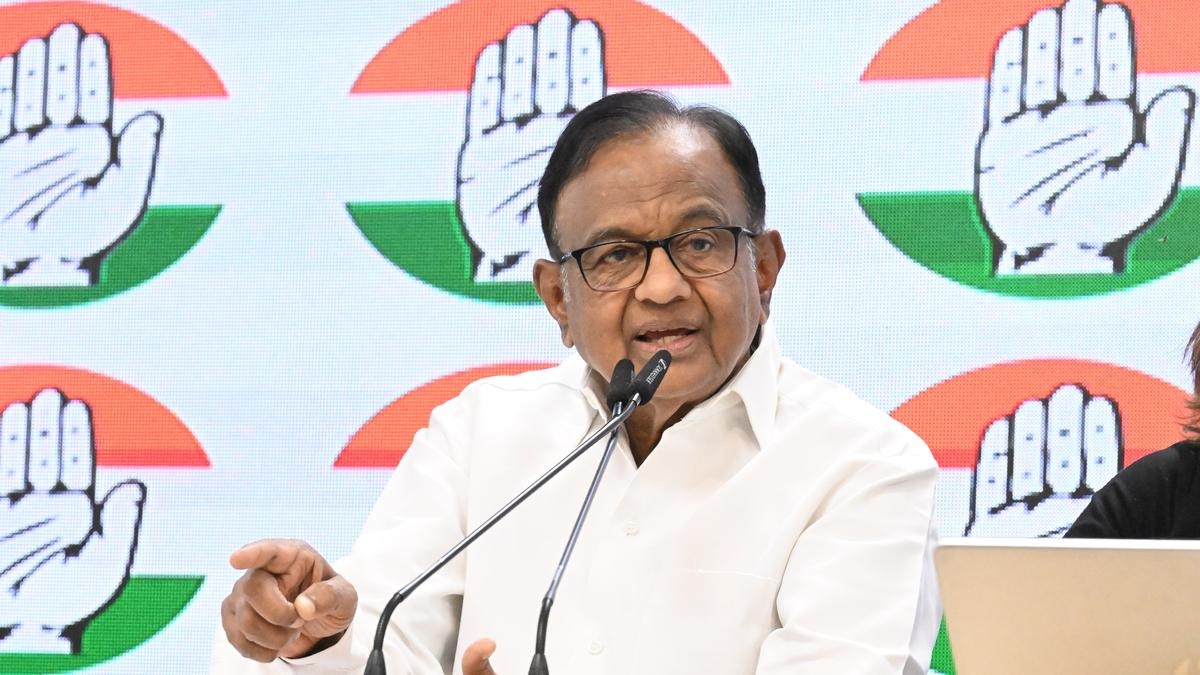
Senior leader P. Chidambaram informed a joint parliamentary committee that the "One Nation, One Election" proposal is unconstitutional. According to official proceedings, he argued that synchronizing national and state polls threatens India's federal structure, violates basic democratic principles, and requires complex constitutional amendments.
Senior Congress leader P. Chidambaram tells a joint parliamentary committee that the federal restructuring plan violates core constitutional tenets.
Legal Obstacles and Federal Concerns
Testifying before the Joint Committee reviewing The Constitution (One Hundred and Twenty-Ninth Amendment) Bill, 2024, Chidambaram detailed the deep legal contradictions embedded in the proposal. According to official committee submissions, he maintained that the framework requires sweeping constitutional amendments across multiple articles—including provisions governing the tenure of Parliament and state legislative assemblies—which would disrupt the delicate balance of India's cooperative federalism.
Legal experts and opposition members note that forcing simultaneous elections could undermine regional political identities, weaken state-level accountability, and create severe administrative hurdles for the Election Commission of India. Critics argue that curtailing or extending state assembly terms to force a unified electoral cycle violates the basic structure doctrine established by the Supreme Court.
Political Repercussions and Legislative Hurdles
The contentious debate over simultaneous polls has intensified political polarization across national parties. While the ruling administration advocates for the initiative to curb massive administrative expenditures and prevent policy paralysis caused by recurring campaign cycles, opposition leaders argue the move centralizes executive power.
Furthermore, political analysts highlight that passing the requisite constitutional amendments requires a two-thirds supermajority in both houses of Parliament, alongside ratification by a majority of state legislatures. Given the current composition of Parliament, securing such broad consensus remains a formidable legislative challenge.
Quote Section
"According to officials, the parliamentary committee continues to consult constitutional experts, former jurists, and senior political leaders to evaluate the legal, financial, and structural viability of the simultaneous election bills."
Why It Matters
For citizens, voters, and regional governance structures, the outcome of this legislative review will determine whether India maintains its decentralized electoral schedule or shifts toward a centralized voting framework. The decision carries profound implications for political representation and the federal balance of power.
Key Facts at a Glance
Legislation: The Constitution (One Hundred and Twenty-Ninth Amendment) Bill, 2024.
Forum: Joint Committee of Parliament reviewing simultaneous election frameworks.
Key Critic: P. Chidambaram, Member of Parliament (Rajya Sabha) and former Union Minister.
Core Objection: Claims of unconstitutionality, infringement on federalism, and disruption of regional representation.
FAQ Section
What is the primary objection raised against "One Nation, One Election"?
Critics argue that the proposal undermines India's federal structure, forces unconstitutional alterations to state assembly tenures, and marginalizes regional political issues.
Which parliamentary body is reviewing the bill?
A dedicated Joint Committee of Parliament is examining The Constitution (One Hundred and Twenty-Ninth Amendment) Bill, 2024.
What legal requirements are needed to implement simultaneous elections?
Implementation requires multiple constitutional amendments affecting parliamentary and assembly durations, along with ratification from state legislatures.
Where can official updates on the committee's proceedings be tracked?
Updates and schedules are published regularly via the PRS Legislative Research Portal.
Source: PRS Legislative Research, Lok Sabha Secretariat, Indian National Congress