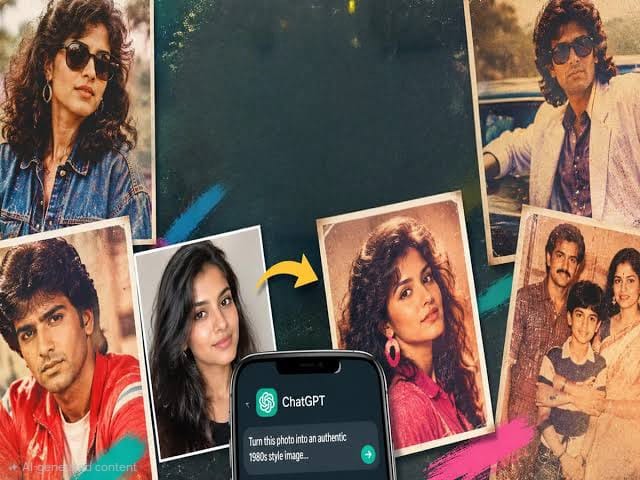
A viral social media trend using ChatGPT prompts to generate 1960s, 70s, 80s, and 90s retro portraits has surged globally. By maintaining facial identity while applying era-specific clothing, lighting, and analog film textures, users are creating authentic vintage photographs without relying on standard digital filters.
Digital consumers worldwide are leveraging advanced artificial intelligence models to generate vintage-styled portraits, sparking a viral social media phenomenon throughout September 2026. By inputting specialized prompt formulas into platforms like ChatGPT, users can transform modern reference photographs into authentic-looking media reminiscent of mid-century studio sessions, 1970s bohemian catalogs, and 1980s Bollywood frames. Industry analysts note that this wave reflects a broader consumer appetite for personal nostalgia, moving beyond basic software filters toward historically textured digital preservation.
Evolution of Decade-Specific AI Styling Prompts
The mechanics behind the viral trend rely on precise contextual parameters rather than generic vintage filters. According to AI prompt engineers and digital art communities, each era requires distinct visual markers to maintain historical credibility:
The 1960s Aesthetic: Prompts focus on structured silhouettes, vintage jewelry, voluminous retro hairstyles, and soft directional mid-century studio lighting paired with gentle analog film grain.
The 1970s Look: Designs incorporate earthy color palettes, flowy textures, layered hair, and warm amber tones resembling preserved family archives.
The 1980s Style: Creators utilize bold color saturation, dramatic soft-focus lighting, direct on-camera flash, and iconic cinematic apparel reminiscent of classic Hollywood or vintage Bollywood.
The 1990s Aesthetic: Focuses on point-and-shoot camera dynamics, casual denim streetwear, understated styling, and desaturated color profiles that simulate disposable film snapshots.
Impact on Digital Creators and Consumer Engagement
The widespread adoption of these retro templates has significantly influenced digital photography and social media sharing habits. Content creators, public figures, and everyday users utilize the tool to visualize alternate personal timelines, driving high volumes of user-generated content across Instagram, WhatsApp, and professional networking spaces. Technology commentators observe that while the trend boosts consumer interaction with generative platforms, it also highlights ongoing discussions regarding digital identity preservation and the boundary between authentic photography and synthetic media reconstruction.
Official Sources Section
Technical breakdowns, trend analyses, and prompt architecture insights are referenced from official technology reports compiled by LiveMint, digital trend studies via TechJockey, and platform observation notes published by The Times of India.
Quote Section
"The shift toward decade-specific generative prompts marks a maturation in how consumers interact with AI, moving away from simple surface filters toward deeply customized historical storytelling," technology analysts stated that.
Why It Matters
For digital consumers and content creators, mastering multi-decade prompt engineering offers a creative outlet for personal branding and digital storytelling without requiring professional photo-editing suites. For technology developers, the trend underscores the rising commercial demand for precise facial identity preservation combined with era-authentic environmental rendering, shaping future iterations of consumer-facing AI models.
Key Facts at a Glance
Viral Phenomenon: Generative AI portraits spanning the 1960s to the 1990s have surged in popularity across social media platforms.
Core Technology: Built using advanced text-to-image and image-to-image models accessed through conversational interfaces like ChatGPT.
Identity Preservation: Modern prompt engineering prioritizes retaining the user's exact facial structure and skin tone while altering apparel and background contexts.
Aesthetic Markers: Incorporates authentic analog elements such as 35mm film grain, direct flash, and period-accurate color grading.
FAQ Section
How do I use ChatGPT to create a retro look from my photo?
Users can input specific descriptive prompts into AI photo generators along with a base reference image, instructing the tool to preserve facial features while applying era-specific clothing, lighting, and film textures.
Do these prompts alter the user's actual facial features?
Advanced prompt structures explicitly instruct the AI model to preserve the exact facial identity, structure, and skin tone without artificial beautification or alteration.
What distinguishes 1980s prompts from 1990s prompts?
Eighty-style prompts typically feature rich colors, dramatic soft-focus studio lighting, and voluminous hair, whereas 1990s prompts focus on point-and-shoot aesthetics, casual clothing, and desaturated snapshot lighting.
Are these retro photo templates free to use?
While the base text prompts are widely shared across open developer forums and tech blogs, access depends on the specific image generation tier of the AI platform being utilized.
Source: LiveMint, TechJockey, The Times of India