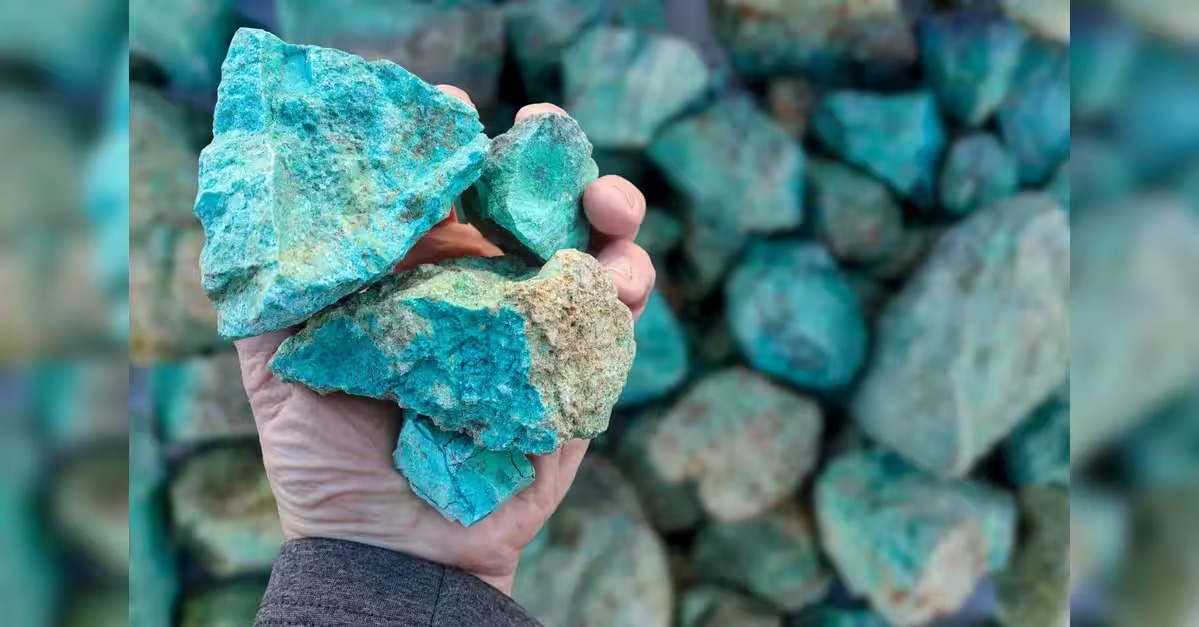
India's mineral wealth requires a fair sharing model that balances federal regulatory stability with resource-rich state revenues. Following the MMDR Amendment Act, policymakers aim to prevent compounding tax burdens on critical supply chains while ensuring that regional administrations continue retaining nearly ninety percent of total mining-sector earnings.
India's mineral wealth must be shared fairly between national economic imperatives and resource-rich states under a predictable regulatory framework.
Federal Framework and the MMDR Amendment Act
The passage of the Mines and Minerals (Development and Regulation) Amendment Act, 2026, has intensified national discussions regarding resource governance, fiscal federalism, and the taxation of mineral-bearing lands. Following the Supreme Court's 2024 ruling in the Mineral Area Development Authority (MADA) v. Steel Authority of India case—which acknowledged state legislative powers to levy taxes on mineral rights under Entry 49 of List II—the Union Parliament enacted legislative adjustments via new provisions such as Section 9D. According to official government releases from the Ministry of Coal, the framework aims to prevent overlapping and compounding state cesses that risk eroding the commercial viability of domestic mining.
Economic Impact on Industries and Consumers
Uncoordinated state levies create significant cost distortions across foundational supply chains, including steel, cement, power, and infrastructure. Official statements emphasize that when domestic mineral extraction costs surge due to fragmented taxation, downstream industries face severe pricing pressures, ultimately driving up expenses for everyday households. Furthermore, high operational burdens risk discouraging long-term private sector investments in critical and strategic minerals essential for national energy security and advanced manufacturing.
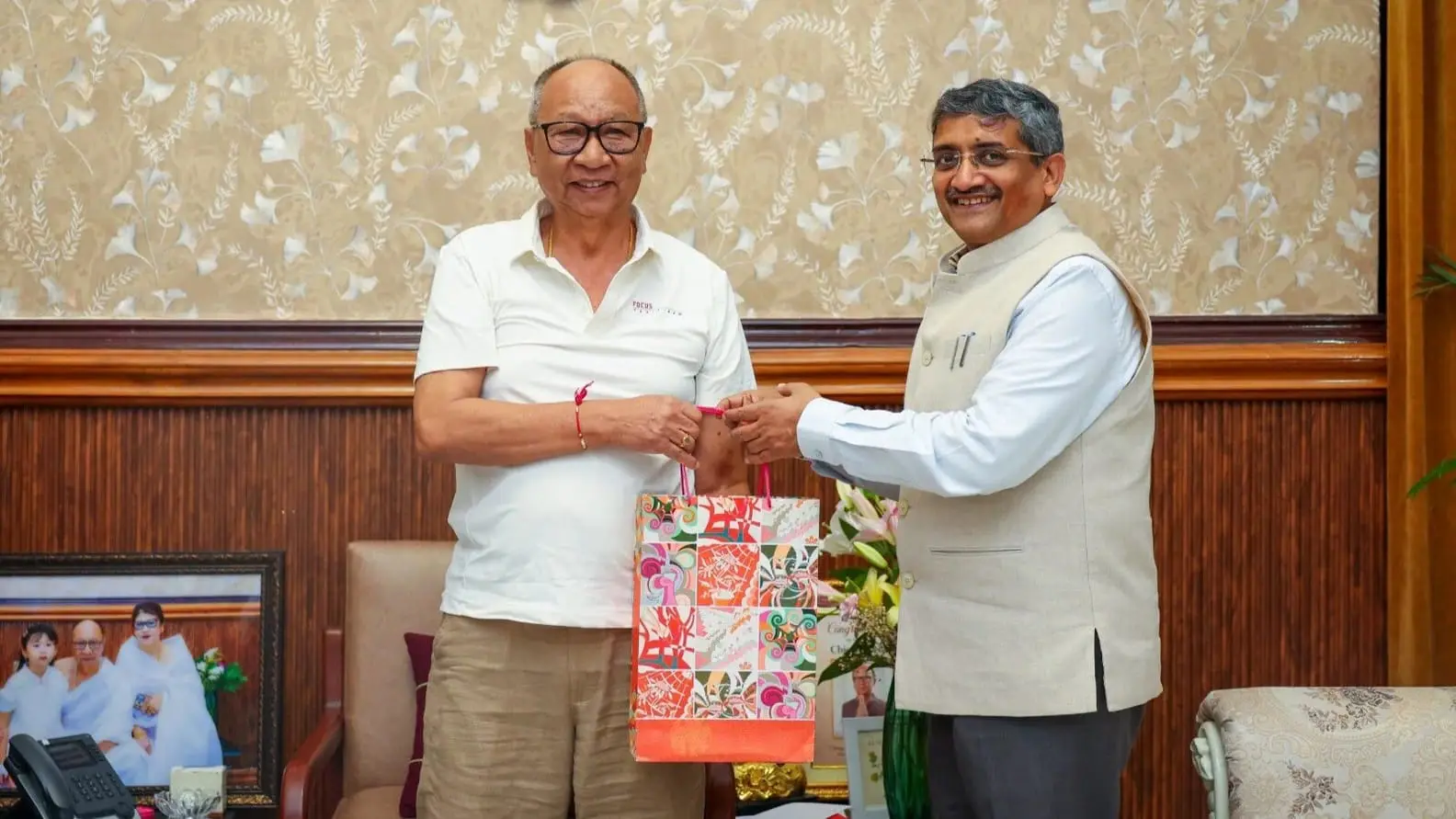
"Organizers stated that nearly 90 percent of mining-sector revenue continues to accrue directly to state governments, ensuring that regional administrations retain a substantial financial stake in local resource extraction."
Practical Implications for States and Investors
While the central legislation standardizes overarching rules to curb market fragmentation, mineral-producing states maintain that local communities bear the primary environmental and social footprint of extraction. Balancing investor predictability with fair compensation for mining-affected districts remains critical for sustainable economic development. Transparent e-auctions and dedicated funds like the District Mineral Fund continue to channel direct revenues toward regional infrastructure and tribal welfare.
Key Facts at a Glance
Legislation: Mines and Minerals (Development and Regulation) Amendment Act, 2026.
Core Provision: Introduction of Section 9D to restrict uncoordinated state levies on mineral rights and lands.
Revenue Share: Approximately 90% of total mining-sector revenues continue to accrue directly to state governments.
Strategic Focus: Securing domestic supply chains for critical minerals, clean energy, and heavy industries.
Frequently Asked Questions
Why was the MMDR Amendment Act enacted?
The legislation was introduced to bring uniformity, predictability, and rationality to mineral taxation, preventing compounding tax burdens that distort national supply chains.
How are mineral revenues divided between the Centre and States?
Nearly 90% of total mining-sector revenue—including royalties, auction premiums, and statutory contributions—flows directly to the respective state governments.
What role do state governments play in minor minerals?
State governments retain complete administrative and fiscal control over nearly 50 minor minerals, including sand, granite, and marble.
How does mineral taxation impact everyday consumers?
Excessive mining levies raise raw material input costs for steel and cement, which ultimately filters down into higher prices for housing, electricity, and manufactured goods.
Source: Ministry of Coal, Government of India, Supreme Court of India Judgments