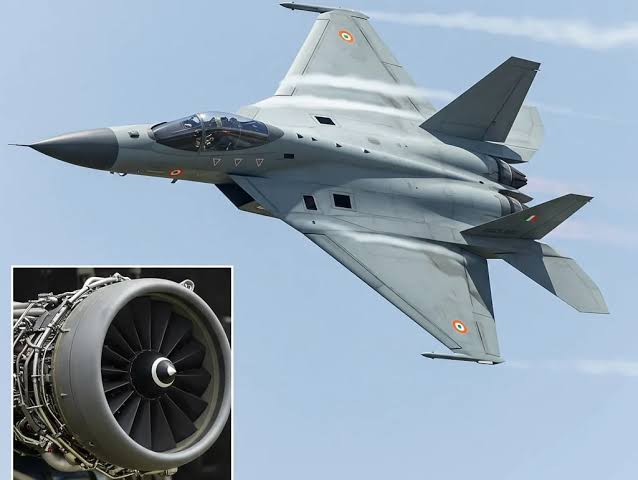
Rolls-Royce, backed by the UK government, has offered to co-develop the AMCA Mk2 fighter engine in India with complete technology transfer and joint IP ownership. Partnering with Reliance Industries, the proposal aims to establish local design sovereignty and build a self-reliant aerospace propulsion ecosystem.
NEW DELHI — British aerospace manufacturer Rolls-Royce, backed by a formal government-to-government framework from the United Kingdom, has formally proposed a comprehensive co-development partnership for India's Advanced Medium Combat Aircraft (AMCA) Mk2 program. Announced in September 2026, the proposal aims to deliver a high-thrust propulsion system in the 110–130kN class, addressing long-standing hurdles in India's domestic defense manufacturing roadmap.
The sovereign-backed initiative seeks to insulate the ambitious stealth fighter project from future geopolitical export controls, third-party legislative restrictions, and supply chain bottlenecks. Partnering alongside Indian industrial conglomerate Reliance Industries, Rolls-Royce is pitching complete intellectual property (IP) co-ownership and end-to-end design sovereignty.
Sovereign Assurances and Co-Development Framework
The core of the British proposal centers on absolute technology transfer (ToT) rather than traditional licensed assembly or component-level maintenance. According to corporate disclosures, the framework guarantees that Indian engineers will secure the underlying "know-how and know-why" of advanced aero-engine architecture. The initiative includes establishing a dedicated Aerospace Gas Turbine Complex in India to manage localized design, testing, manufacturing, and long-term lifecycle support.
While the initial batch of AMCA Mk1 prototypes is slated to use American GE F414 engines, the advanced AMCA Mk2 variant requires a clean-sheet propulsion system capable of generating up to 120–130kN of wet thrust. Rolls-Royce executives confirmed that ground trials for the proposed engine could commence by 2032, targeting a maiden flight by 2034 to align with the Indian Air Force's operational induction schedules.
According to official corporate statements, defense ministry briefings, and industrial filings:
Thrust Class: 110kN to 130kN clean-sheet architecture designed specifically for fifth-generation stealth platforms.
IP Structure: Joint intellectual property ownership, granting India independent upgrade and export rights.
Industrial Partnership: Collaboration with Reliance Industries to build a domestic gas turbine development and manufacturing complex.
Timeline Targets: Ground testing projected for 2032, followed by first flight trials by 2034.
Official Sources Section
Rolls-Royce Corporate Newsroom: Official partnership announcements, propulsion architecture specifications, and joint venture disclosures.
UK Department for Business and Trade: Bilateral defense partnership frameworks and sovereign technology export policies.
Quote Section
"According to company executives and defense analysts, the UK-backed proposal provides sovereign guarantees designed to secure complete technology transfer and joint intellectual property rights for India's next-generation fighter program."
Why It Matters
For the Indian Air Force and defense planners, securing an indigenous, high-thrust jet engine breaks a decades-long cycle of propulsion dependence that has historically delayed indigenous fighter projects. For international defense partners, the UK-backed framework sets a new competitive benchmark for technology sharing, rivaling competing bids from French and American manufacturers.
Key Facts at a Glance
Program: Advanced Medium Combat Aircraft (AMCA) Mk2.
Proponent: Rolls-Royce backed by the UK government.
Indian Partner: Reliance Industries.
Core Offer: 100% technology transfer and joint IP ownership.
FAQ Session
Why is Rolls-Royce offering UK government backing for the AMCA engine?
Sovereign backing acts as a legal and diplomatic safety net, ensuring that technology transfer and development remain protected from future geopolitical restrictions or export blocks.
What thrust class is the proposed Rolls-Royce engine targeting?
The clean-sheet engine is designed for the 110–130kN thrust category required by the advanced AMCA Mk2 variant.
How does this offer differ from previous international defense deals?
Unlike traditional models that limit local involvement to licensed assembly, this proposal offers full IP co-ownership and end-to-end design capabilities within India.
Where can stakeholders review official updates on the AMCA propulsion program?
Progress reports and official defense acquisition updates are accessible via the Ministry of Defence India Portal.
Source: Rolls-Royce Media, UK Government Defence Policy, The Hindu Defence Desk, Business Standard Aerospace Bureau