The postponement of Strait of Hormuz diplomatic talks in Oman, paired with Houthi advances in the Red Sea and Saudi pipeline shutdowns, has intensified global energy supply concerns. Ongoing maritime attacks continue to disrupt trade, driving up shipping insurance and pushing crude prices higher.
ADEN/DUBAI - High-stakes regional diplomacy suffered a significant setback on Monday, September 14, 2026, when a planned ministerial meeting between Iran and Persian Gulf states in Muscat was abruptly postponed. The talks, intended to review an Oman-brokered framework for managing commercial traffic through the blocked Strait of Hormuz, were delayed "in the interests of consensus," according to Oman's Foreign Minister Sayyid Badr Albusaidi. The diplomatic breakdown coincides with a fresh military escalation, marked by escalating Houthi operations along Yemen’s Red Sea coast and an ongoing oil pipeline shutdown in Saudi Arabia, compounding severe disruptions to international energy markets.
Breakdown of Regional Diplomatic Talks
The ministerial gathering, scheduled to take place in Oman, was intended to build on bilateral understandings between Tehran and Muscat regarding commercial shipping lanes through the critical energy corridor. Iranian state media outlets, citing Foreign Ministry officials, reported that the postponement was requested by several regional participants to allow for deeper consensus.
The delay follows months of commercial restrictions and maritime hostilities in the Persian Gulf following the outbreak of the US-Iran conflict on February 28, 2026. Prior to the postponement, only Iraq had publicly confirmed its attendance, while Bahrain declined due to a lack of formal diplomatic ties with Tehran. Analysts note that while Oman and Iran have attempted to implement alternative transit protocols—including proposed service fees and designated traffic corridors—broader regional buy-in remains elusive.
Red Sea Escalation and Houthi Fronts
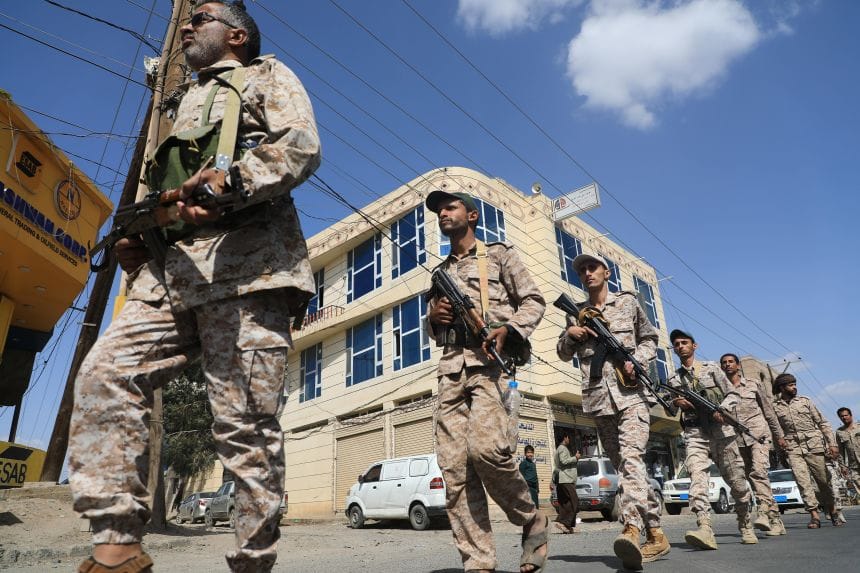
Simultaneously, maritime security concerns intensified following a strategic push by Yemen's Iran-aligned Houthi movement. The group recently seized Perim Island within the Bab el-Mandeb strait, a vital choke point controlling the southern entrance to the Red Sea. The advance has triggered fresh military engagements and raised alarms in Washington and Riyadh over the security of secondary shipping bypasses.
The fresh friction in the Red Sea compounds regional instability following drone strikes on September 11 that forced Saudi Arabia to shut down its primary east-west oil pipeline. According to industry estimates reported by Reuters, Riyadh maintains limited emergency storage at its Red Sea export terminal in Yanbu, leaving global markets vulnerable to prolonged infrastructure outages.
Impact on Global Energy Markets and Shipping
The convergence of delayed diplomatic talks, stalled pipeline operations, and renewed Red Sea vulnerabilities has triggered immediate volatility across global commodity markets. Crude prices surged as trading opened, reflecting heightened anxiety over sustained supply restrictions from the Persian Gulf and Red Sea corridors.
Commercial operators continue to face severe operational risks. The United Kingdom Maritime Trade Operations (UKMTO) reported that a merchant vessel was struck by a projectile while transiting the Strait of Hormuz, resulting in a severe onboard fire and subsequent crew evacuation. Meanwhile, Iranian state media confirmed that an Iranian commercial vessel was struck off Qeshm Island, leaving one person dead and four injured.
Official Sources Section
Information for this report is based on official announcements and briefings from regional foreign ministries, state news agencies, and international maritime security monitors.
Quote Section
"We remain committed to fostering dialogue that supports stability and lasting cooperation in our region," stated Oman's Foreign Minister Sayyid Badr Albusaidi regarding the decision to reschedule the maritime security consultations.
Why It Matters
The collapse of near-term diplomatic negotiations leaves international shipping companies, energy importers, and global investors exposed to persistent supply chain shocks. With both the Strait of Hormuz and Red Sea transit routes subject to military friction and infrastructure sabotage, businesses dependent on Middle Eastern petroleum and liquefied natural gas face prolonged freight premiums, elevated insurance costs, and extended transit schedules.
Key Facts at a Glance
Diplomatic Delay: Regional talks between Iran and Persian Gulf states in Oman were postponed to build broader consensus on Strait of Hormuz shipping management.
Red Sea Flashpoint: Houthi forces advanced in the Bab el-Mandeb strait following the strategic capture of Perim Island.
Infrastructure Outages: Saudi Arabia's major east-west oil pipeline remained offline following drone strikes, tightening global export alternatives.
Maritime Incidents: Ongoing security incidents in the Persian Gulf resulted in structural damage to commercial vessels and prompted emergency crew evacuations.
FAQ Section
Why were the Strait of Hormuz shipping talks postponed?
The talks were delayed at the joint request of regional participants and organizers in Oman to allow for broader political consensus among Gulf states regarding commercial transit rules.
How are Houthi movements affecting Red Sea security?
The Houthi advance and seizure of positions near the Bab el-Mandeb strait have added a secondary theater of maritime conflict, threatening alternative shipping routes out of the Middle East.
What is the status of Saudi oil exports following recent pipeline attacks?
Saudi Arabia shut down its primary east-west pipeline following drone strikes, forcing exporters to rely on limited emergency reserves stored at Red Sea terminals such as Yanbu.
Are commercial vessels still operating through the Strait of Hormuz?
Traffic remains severely restricted and hazardous, with ongoing military blockades, sporadic projectile attacks, and mandatory clearance protocols enforced by regional actors.
Source: Ministry of Foreign Affairs Oman, UK Maritime Trade Operations (UKMTO), Fars News Agency, Reuters