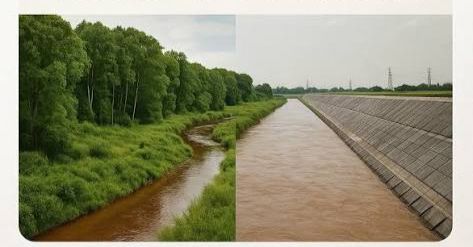
India is increasingly integrating natural formations like mangroves, wetlands, and coral reefs into its national climate adaptation framework. Official environmental reports highlight that these living ecosystems offer superior, cost-effective wave attenuation and carbon sequestration compared to traditional concrete structures, safeguarding vulnerable coastal communities against extreme weather events.
Moving beyond traditional steel and heavy concrete, environmental planners and policymakers champion living ecosystems as vital infrastructure for national climate resilience.
As intensifying weather extremes challenge conventional civil engineering paradigms across the globe, environmental authorities and policy experts in New Delhi are turning their focus toward a powerful alternative: living ecosystems. Rather than relying exclusively on heavy concrete sea walls and artificial embankments, India's evolving climate adaptation strategy increasingly highlights the defensive value of natural formations—including mangrove forests, salt marshes, and coral barrier systems. According to comprehensive environmental and ecological evaluations released by sustainability research groups, these bio-shields provide indispensable protection against rising sea levels, severe storm surges, and coastal erosion, proving that critical infrastructure can be grown rather than merely manufactured.
The Ecological Mechanics of Bio-Infrastructure
Natural coastal barriers function through sophisticated hydrodynamic processes that dissipate ocean energy far more flexibly than rigid civil structures. Coral reefs, often characterized as the rainforests of the sea, can break and absorb up to 97 percent of incoming wave energy before it reaches vulnerable shorelines. Similarly, dense mangrove root networks along India's eastern and western seaboards act as natural shock absorbers, trapping sediments, stabilizing coastal soils, and significantly reducing wind and wave impact.
Key advantages of integrating natural formations into infrastructure planning include:
Dynamic Adaptation: Unlike static concrete sea walls that degrade or fracture under repeated wave battering, living ecosystems naturally self-repair and accrete sediment to keep pace with rising sea levels.
Carbon Sequestration: Mangroves and wetland soils function as high-density carbon sinks, capturing greenhouse gases at rates vastly superior to terrestrial forests.
Biodiversity and Livelihoods: Beyond risk reduction, these ecosystems serve as vital fish nurseries, directly supporting the food security and economic sustainability of local coastal communities.
Economic Implications and Policy Integration
For urban planners, state governments, and financial investors, shifting toward nature-based solutions offers substantial economic benefits over multi-decade planning horizons. Traditional "gray infrastructure" projects require intensive capital investments and recurrent maintenance expenditures. In contrast, restoring and protecting indigenous natural formations presents a cost-effective risk management strategy that leaves no negative environmental footprint while generating long-term ecological dividends. Federal ministries are currently coordinating with coastal state authorities to incorporate mangrove conservation mandates into broader climate mitigation funding frameworks.
Why It Matters
Integrating natural ecosystems into national infrastructure policy directly influences the safety, economic stability, and climate preparedness of millions of citizens residing in vulnerable coastal regions. Recognizing natural formations as frontline defense assets ensures a sustainable balance between modern economic development and ecological preservation.
Key Facts at a Glance
Wave Energy Reduction: Healthy coral reefs can dissipate up to 97% of incident wave energy.
Mangrove Footprint: India accounts for approximately 3% of total global mangrove forest cover.
Dual Function: Natural bio-shields provide both physical storm protection and high-capacity carbon sequestration.
Economic Advantage: Nature-based solutions require lower long-term maintenance costs compared to rigid gray infrastructure.
FAQ Section
Why are natural formations considered part of India's infrastructure?
Natural formations like mangroves, wetlands, and coral reefs provide essential physical protection against storms and erosion, functioning effectively as living breakwaters that safeguard human settlements.
How do mangroves help mitigate the impacts of climate change?
Mangroves absorb storm energy, trap sediments to combat sea-level rise, and store large quantities of carbon within their dense root systems and underlying soils.
What are the main economic advantages of nature-based solutions over concrete walls?
Nature-based solutions are generally less expensive to maintain over time, adapt dynamically to environmental changes, and provide ancillary benefits like supporting local fisheries and tourism.
Where can readers find official data regarding India's coastal mangrove cover?
Detailed regional assessments and statistical reports are accessible via the World Sustainable Development Forum (WSDF) and official forestry publications.
Source: Inter-American Development Bank (IDB), World Sustainable Development Forum (WSDF), Oxford Academic Ecological Research, Times of India Ecopreneur Desk