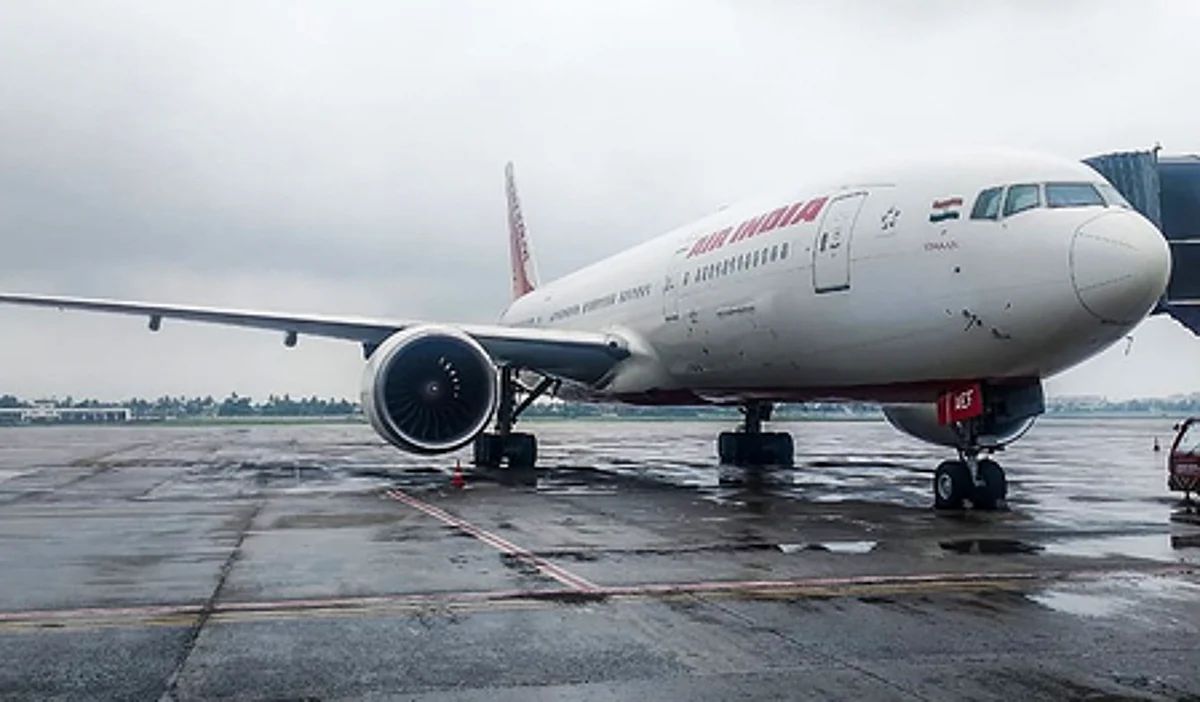
A scheduled Air India flight (AI2455) from Thiruvananthapuram to Delhi on August 10, 2025, experienced a significant in-flight disruption, ending with a safe landing in Chennai after pilots were instructed to abort their first landing attempt due to suspected runway debris. The Directorate Genera...
A scheduled Air India flight (AI2455) from Thiruvananthapuram to Delhi on August 10, 2025, experienced a significant in-flight disruption, ending with a safe landing in Chennai after pilots were instructed to abort their first landing attempt due to suspected runway debris. The Directorate General of Civil Aviation (DGCA) has confirmed strict adherence to safety protocols throughout this tense episode.
Key Highlights: Incident Sequence and Authorities’ Actions
The flight departed Thiruvananthapuram 49 minutes behind schedule due to prior operational delays. On entering cruise, it encountered moderate turbulence, after which the crew noticed their weather radar was relaying inaccurate information, raising suspicions of equipment malfunction.
Given the technical concern and unpredictable weather along the route to Delhi, the flight’s crew and Air India operations decided to divert to Chennai, ruling out Bengaluru due to better weather visibility and operational conditions in Chennai.
Before landing, ATC instructed the flight to enter a holding pattern northeast of Chennai for about 43 minutes to burn excess fuel and avoid an overweight landing—a common precaution for large airliners needing to land soon after takeoff.
Runway Go-Around and the Debris Report
As the crew prepared for a final approach to Chennai’s Runway 25 (around 22:19 IST), air traffic control (ATC) issued instructions for a missed approach, commonly known as a go-around, after a departing Gulf Air flight (GFA053) reported sighting debris on the left side of the runway.
Apron control was immediately tasked to inspect the runway for safety. No debris was ultimately found, but the protocol required a thorough check to eliminate all risk before resuming landings.
Only after the all-clear signal from ground staff did ATC allow the Air India crew to attempt another approach, leading to a safe and uneventful landing at 22:39 IST.
Technical Inspections and Aircraft Status
Upon arrival, the aircraft underwent a comprehensive engineering inspection. No functional deficiencies were identified, but Air India engineers proactively replaced the weather radar transceiver—the suspected source of the initial navigational issue.
The component, responsible for processing and transmitting weather signals to the cockpit’s navigation display, was replaced as a standard precaution to avoid future mishaps.
Air India arranged alternative travel for affected passengers, reiterating its commitment to safety over schedule.
Clarifications Amid Passenger Concerns
High-profile passengers, including Members of Parliament, posted on social media about the anxiety caused by the holding pattern and aborted landing, with one claiming the plane was nearly involved in an accident due to “another aircraft on the runway.” Both Air India and the DGCA firmly rebutted this, clarifying ATC’s go-around order was due purely to a debris report—not aircraft conflict.
Aviation experts noted that foreign object debris (even small stones or parts) on an active runway can jeopardize aircraft safety, potentially damaging engines or landing gear.
Broader Aviation Safety Implications
The incident highlights the essential role of air traffic controllers and airline crews in reacting swiftly to unexpected safety threats, such as technical faults or ground hazards.
It spotlights the high standards imposed by Indian aviation authorities, where even unconfirmed reports of hazards prompt immediate operational changes to protect passengers and crew.
Looking Ahead: Ensuring Safe Skies
DGCA’s official statement has allayed concerns, emphasizing no mechanical or procedural lapse contributed to the event—rather, that international best practices and rapid communication preserved safety.
The episode is a reminder of the importance of continual investment in technology, staff training, and transparent communication in meeting global aviation safety benchmarks.
Sources: The New Indian Express, News18