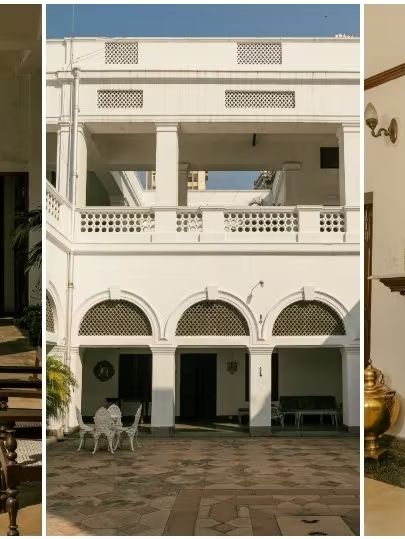
The 94-year-old, 11,000-square-foot New Delhi family bungalow of Indian fashion model Avanti Nagrath showcases a masterclass in blending colonial heritage with modern living. Built in 1932, the Anglo-Indian estate features a central tiled courtyard, Burmese teakwood structures, and ancestral antiques, preserving a rare pocket of history within the capital.
NEW DELHI — International high-fashion runway model Avanti Nagrath and premium design archivists have publicly unveiled the interiors of her family's historic estate in the national capital. According to design registries published on June 8, 2026, by Architectural Digest India, the 11,000-square-foot residential bungalow stands as a preserved example of 1932 Anglo-Indian colonial architecture, maintaining generational legacy across five family generations.
This real estate showcase carries significant cultural value today as municipal zones face intense modernization, which frequently results in the demolition of century-old residential structures. By preserving the original layout of the estate rather than redeveloping the land into multi-story flats, the family provides a successful structural blueprint. This model demonstrates how neoclassical principles can be preserved to protect New Delhi's architectural history while functioning as a modern family home.
Architectural Taxonomy of the 11,000-Square-Foot Plot
According to historical records and structural blueprints detailed by design curators, the property was originally built by Avanti Nagrath’s great-grandfather during the closing decades of British colonial rule in India. The design relies heavily on traditional Anglo-Indian architectural frameworks, which emphasize symmetrical massing, heavy masonry, and high ceilings to regulate the extreme indoor temperatures of the northern plains.
The spatial arrangement of the home seamlessly connects interior living zones with expansive outdoor spaces
The exterior architecture features a pristine white facade, mirroring the classical design styles of neighboring Connaught Place. To ensure natural ventilation, the original layout uses functional brick jalis (perforated screens) alongside brass chitkanis (tower bolts), double-panelled hardwood doors, and open verandahs filled with vintage rattan seating.
The Courtyard Base: A Training Ground for International Runways
The heart of the double-story residential home is an expansive open-air central courtyard paved with octagonal tiles. The space is anchored by a mature, blooming bougainvillea tree and a built-in havan kund (sacred fire pit), bridging spiritual family traditions with practical outdoor living.
The estate's historical rooms have been adapted to host distinct lifestyle and design eras:
| Interior Zone of Bungalow | Dominant Architectural Elements | Historical Significance & Origins |
| Central Open Courtyard | Octagonal tiling, structural arches, blooming bougainvillea | The practice ground where Nagrath trained for global fashion walks. |
| Grand Staircase | Burma teakwood balustrade, Victorian-style wall mirrors | Generational family transition hub used across five generations. |
| Family Dining Room | Baroque chandeliers, teak fireplace, marble tabletops | Features brass vessels and animal sculptures sourced from Bangkok. |
| Entertainment Wing | 40-year-old character-rich solid wood bar counter | Historic gathering space decorated with archival ancestor portraits. |
Nagrath, who made history as the first Indian model to open a Versace runway show at Milan Fashion Week, stated that the central courtyard served as her primary training environment. The model regularly practiced her runway choreography across the octagonal tiles under the open sky before transitioning to European fashion stages.
Official Sources Section
The architectural blueprints, interior design specifics, chronological build records, and personal statements used in this feature are sourced from the official lifestyle portfolio released by Architectural Digest India Design Indexes. The architectural elements have been cross-verified with residential history registries published by the Hindustan Times Art and Culture Desk.
Quote Section
"According to officials documenting historic urban residences, the long-term preservation of the Nagrath estate highlights the enduring strength of early 20th-century craftsmanship. Retaining original elements like Burmese teakwood balustrades and classical Indian jalis shows that historic homes can easily accommodate modern lifestyles without losing their historical value."
— Regional Heritage Conservation Society Review
Why It Matters
The preservation of this 94-year-old bungalow offers practical lessons for urban planners, interior designers, and heritage investors. In an era where older residential plots are routinely cleared for high-density modern apartments, this property demonstrates that restoring classical architecture can preserve a city's cultural identity while offering premium residential utility. For the design industry, the home demonstrates that blending antique details—like Baroque chandeliers and vintage rattan—with functional spaces creates a unique aesthetic that mass-produced modern housing cannot replicate.
Key Facts at a Glance
Generational Continuity: The sprawling 11,000-square-foot bungalow has housed five generations of the Nagrath family since its construction in 1932.
Runway Launchpad: Elite fashion model Avanti Nagrath used the home's central open courtyard to practice her signature runway walks before debuting for Versace in Milan.
Colonial Character: The building style blends neoclassical symmetry with local Indian accents, featuring double-panelled doors, open verandahs, and cooling brick jalis.
Premium Woodwork: The interior spaces feature extensive historic woodwork, including a grand staircase fitted with a traditional Burmese teakwood balustrade.
Antique Curation: The central dining room is furnished with antique brass vessels, marble-top tables, a teak fireplace, and ornate Baroque chandeliers.
FAQ Section
1. When was the Nagrath family bungalow built, and what is its architectural style?
The bungalow was constructed in 1932 during the late colonial era. Its design is classified as Anglo-Indian, combining Western neoclassical symmetry and proportions with traditional Indian elements like cooling jalis and central courtyards.
2. How large is the property, and where is it located?
The historic family estate covers an expansive 11,000-square-foot plot and is located in New Delhi, featuring a clean white facade that reflects the design of nearby Connaught Place.
3. What historic interior elements have been preserved inside the home?
The home preserves a grand staircase with a Burmese teakwood balustrade, Victorian-style mirrors, a 40-year-old solid wood bar, a teak fireplace, and a collection of ancestral photographs spanning five generations.
Source: Hindustan Times Lifestyle Coverage and Architectural Digest India Digital Archives.