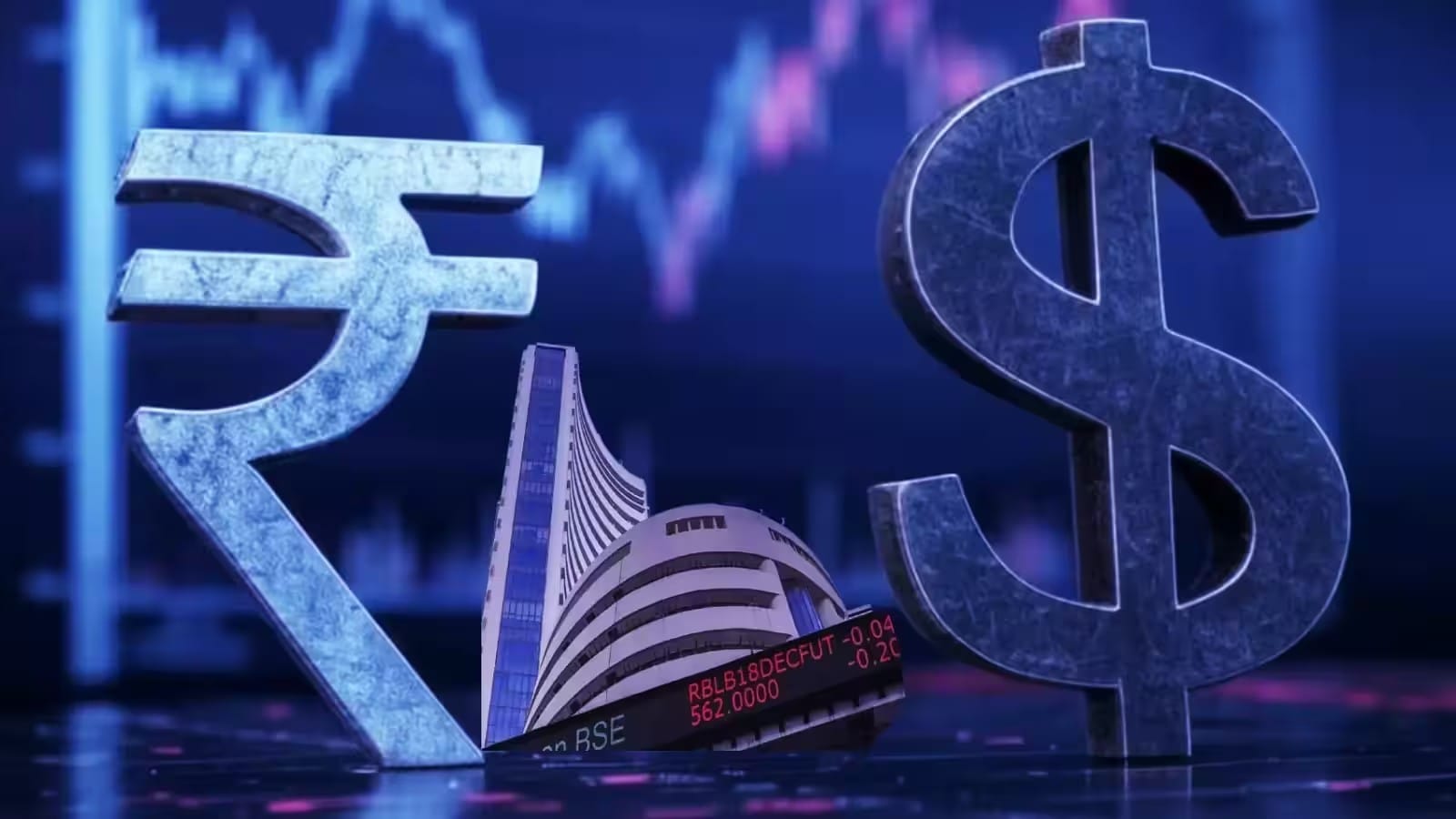
The Indian rupee opened 0.02 percent lower at 95.4350 per U.S. dollar on Thursday, August 27, 2026, compared to its previous close of 95.4125. Early interbank trade reflected range-bound activity as ongoing importer dollar demand was absorbed by central bank market interventions.
MUMBAI — The Indian rupee opened marginal lower against the U.S. dollar on Thursday, August 27, 2026, dropping 0.02 percent to trade at 95.4350 per dollar at the interbank foreign exchange market.
The local currency had ended the previous trading session at 95.4125 per greenback. Financial market dealers attributed the muted opening to routine dollar demand from oil importers alongside range-bound activity across broader Asian currency markets.
Market Dynamics and Central Bank Interventions
Trading desks in Mumbai reported that the foreign exchange market remains anchored in a disciplined, narrow band. Corporate hedging demands from domestic oil refiners and importers continued to absorb dollar liquidity near lower price bounds.
The Reserve Bank of India (RBI) has maintained active oversight across state-run banks to smooth out intraday volatility. Sustained intervention through dollar sales at upper resistance levels and purchases at support bounds has prevented speculative runaway moves in the local currency pair.
Macroeconomic Factors and Capital Inflows
External economic drivers continue to balance out domestic market forces. Global crude oil benchmarks fluctuate near elevated levels, creating a persistent import bill overhead for India's energy-dependent economy.
Simultaneously, dollar supply has been bolstered by foreign exchange capital mobilization. According to institutional records from the Ministry of Finance, foreign exchange inflows mobilized via the RBI's specialized swap facilities reached nearly $73 billion as of late August 2026, helping shore up India's foreign currency buffer against global headwinds.
Official Sources Section
According to official exchange disclosures monitored by BSE Limited, the National Stock Exchange of India (NSE), and statutory releases from the Securities and Exchange Board of India (SEBI):
Interbank spot currency rates registered an opening valuation of 95.4350 per U.S. dollar on August 27, 2026. Market compliance safeguards, liquidity mechanisms, and foreign reserves are regularly reported via the Reserve Bank of India (RBI) and the Ministry of Finance.
Quote Section
"According to forex market dealers in Mumbai, the Indian rupee remains firmly range-bound, anchored by corporate importer demand on one end and active central bank intervention on the other."
"Market analysts noted that strong foreign exchange reserves and targeted swap inflows continue to shield the currency from wider emerging market currency volatility."
Why It Matters
The relative stability of the Indian rupee carries broad economic effects for multiple market participants:
For Importers & Exporters: Predictable exchange rates reduce currency hedging costs and provide stable profit margins for trade balance planning.
For Retail Consumers: Minimal exchange rate swings help prevent imported inflation across energy, electronics, and global commodities.
For Foreign Investors: A low-volatility currency environment minimizes FX risks for institutional funds investing in domestic capital markets.
Key Facts at a Glance
Opening Rate: 95.4350 INR per 1 USD (down 0.02%).
Previous Closing Rate: 95.4125 INR per 1 USD.
Primary Driver: Importer dollar demand counterbalanced by central bank reserve support.
Buffers: Over $73 billion mobilized through special foreign exchange swap windows.
Frequently Asked Questions (FAQ)
What was the opening rate for the Indian rupee against the U.S. dollar on August 27, 2026?
The Indian rupee opened at 95.4350 per U.S. dollar, dropping 0.02 percent from its previous close of 95.4125.
Why did the rupee open lower against the dollar?
The minor tick downward was driven by routine U.S. dollar demand from oil importers and commercial entities in early interbank trade.
How is the Reserve Bank of India supporting currency stability?
The RBI routinely intervenes in the foreign exchange market via state-owned banks, buying dollars near support levels and selling dollars near resistance levels to minimize sharp volatility.
Source: Reserve Bank of India (RBI), Ministry of Finance, National Stock Exchange of India (NSE), BSE Limited.