Women artisans across Uttarakhand self-help groups are hand-crafting thousands of eco-friendly herbal rakhis for Indian soldiers stationed at high-altitude border outposts. Organized under the State Rural Livelihoods Mission, the initiative uses natural materials like pine needles and organic seeds, promoting environmental sustainability while offering seasonal income for rural households.
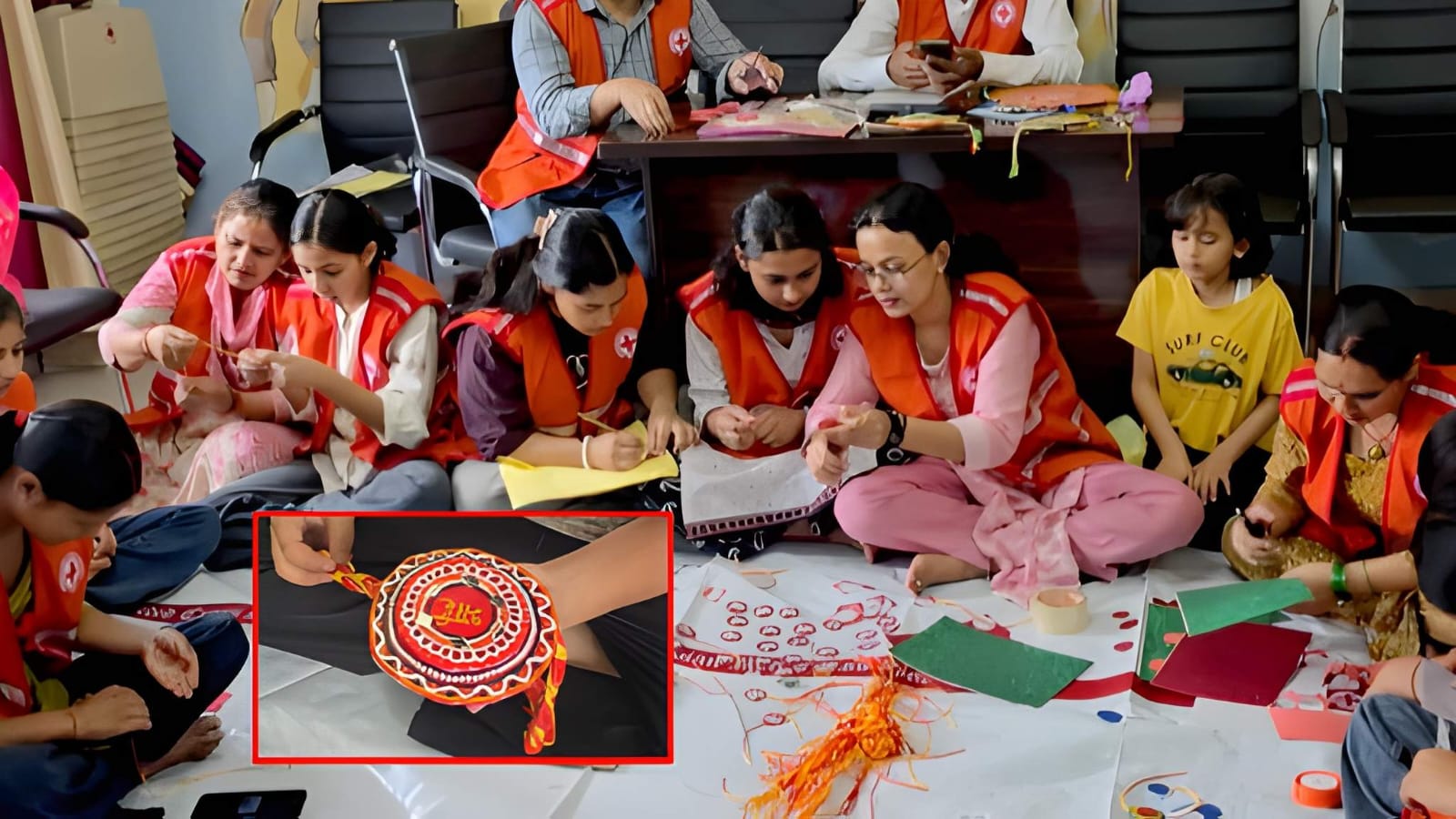
DEHRADUN — Women artisans affiliated with self-help groups across Uttarakhand have initiated a state-wide drive to handcraft eco-friendly herbal rakhis for Indian armed forces personnel stationed along remote border outposts ahead of Raksha Bandhan.
The grassroots initiative, coordinated under the State Rural Livelihoods Mission (USRLM), involves hundreds of rural women across districts including Chamoli, Rudraprayag, Almora, and Pithoragarh. Utilizing locally sourced natural materials—including pirul (pine needles), organic jute, indigenous seeds, and natural plant dyes—the artisans are hand-weaving thousands of sacred threads. The completed rakhis, accompanied by personal letters of gratitude, are being handed over to army transit camps and local border security posts for distribution to soldiers deployed at high-altitude forward posts along the Line of Actual Control (LAC).
Sustainable Materials and Community Self-Reliance
The drive combines cultural celebration with sustainable local enterprise. Rural self-help groups (SHGs) under the National Rural Livelihoods Mission framework have turned the seasonal festival into an income-generating avenue while championing environmental sustainability.
Unlike commercial mass-produced threads made from synthetic fibers and plastic beads, the Uttarakhand-made rakhis utilize biodegradable materials native to the Himalayan ecosystem:
Herbal Infusions and Seeds: Threads are dyed using turmeric, beetroot, and wild madder, with edible crop seeds embedded inside so the threads can be planted after the festival.
Pine Needle Fiber (Pirul): Utilizing dry pine needles collected from forest floors helps reduce forest fire hazards across local hill districts while crafting durable decorative bases.
Local Handloom Yarns: Raw cotton and organic hemp fibers sourced from state rural cooperatives form the core weave of each thread.
State officials report that the initiative has generated seasonal revenue for over 2,500 rural women across six mountain districts, providing direct market access without reliance on urban middlemen.
Logistics and Armed Forces Coordination
District administrations and state rural development departments have established collection hubs to facilitate the timely delivery of the handcrafted items.
Local military authorities from the Surya Command and Border Security Force (BSF) units stationed in Uttarakhand have coordinated transport logs to ensure packets reach troops deployed in remote forward locations, including Mana, Niti Valley, Dharchula, and Harsil.
Official Sources Section
According to official releases from the Uttarakhand State Rural Livelihoods Mission (USRLM) and updates from the Department of Rural Development, Government of Uttarakhand, the artisan program forms part of broader state livelihood generation initiatives for women's collective federations.
Quote Section
"According to officials, the initiative strengthens community bonds with military personnel while fostering economic empowerment and environmental awareness among rural women's self-help groups."
Why It Matters
For Soldiers: Delivers emotional support and national appreciation to armed forces personnel stationed far from their families during traditional festival periods.
For Rural Women: Provides structured seasonal earnings, bolstering financial independence for SHG members across high-altitude villages.
For the Environment: Promotes eco-friendly practices by replacing non-biodegradable synthetic products with natural plant-based materials.
Key Facts at a Glance
Organizing Body: Uttarakhand State Rural Livelihoods Mission (USRLM).
Participants: Over 2,500 women across rural self-help groups in mountain districts.
Materials Used: Pine needles (pirul), organic jute, plant dyes, and indigenous crop seeds.
Recipient Units: Armed forces and border security personnel stationed along high-altitude outposts.
Frequently Asked Questions (FAQ)
What materials are used to make these eco-friendly rakhis?
The women use natural materials native to Uttarakhand, including dry pine needles (pirul), organic jute, raw cotton, plant-based dyes, and indigenous seeds.
How are the rakhis delivered to soldiers on the border?
District authorities and USRLM state hubs coordinate with local military transport units, including the Indian Army's Surya Command and BSF outposts, to deliver packets to forward posts.
What is the role of the State Rural Livelihoods Mission (USRLM)?
USRLM provides training, raw material links, and logistical coordination for women's self-help groups, helping turn traditional handicrafts into sustainable income-generating projects.
Source: Uttarakhand State Rural Livelihoods Mission | Department of Rural Development, Uttarakhand | Ministry of Rural Development