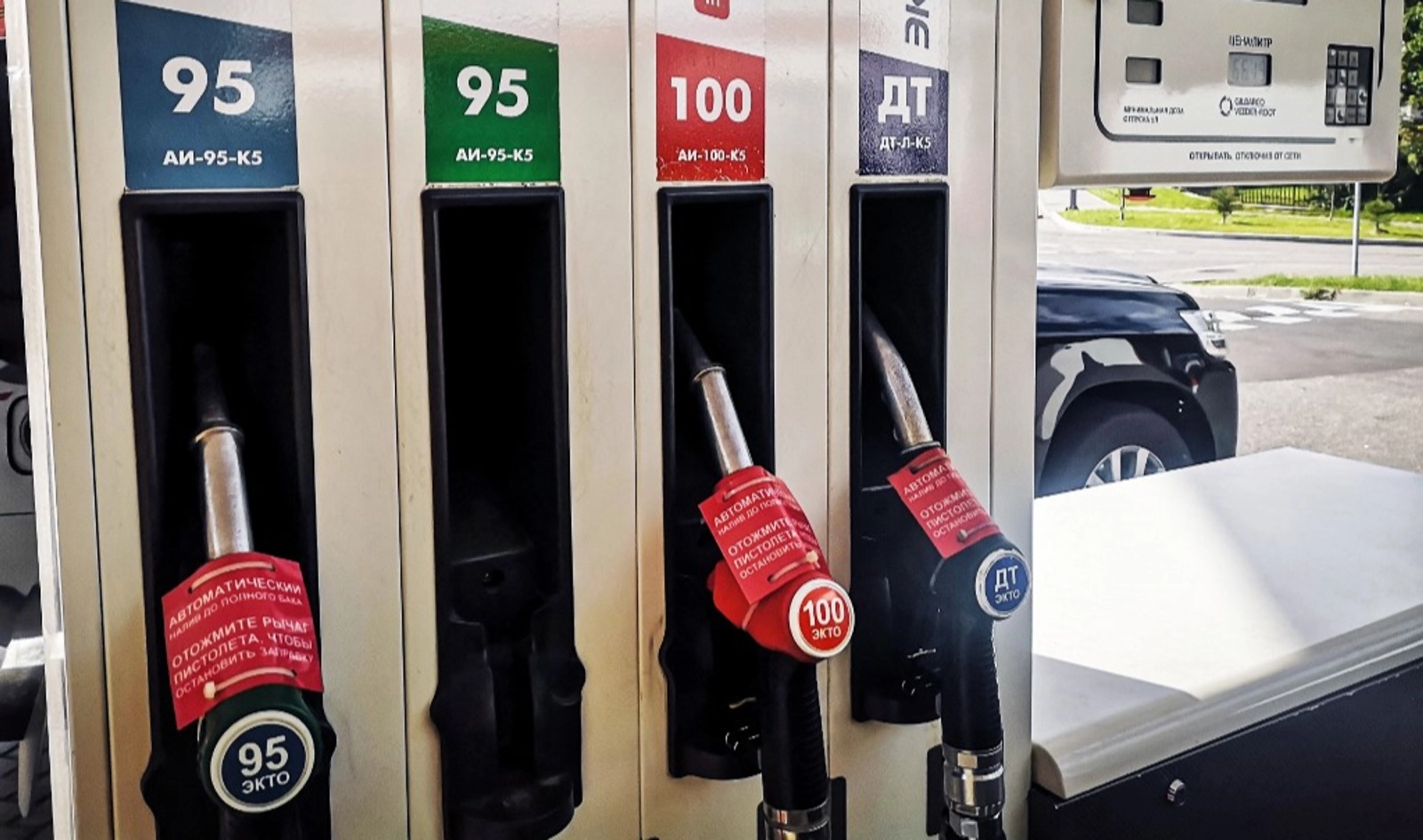
Industry sources confirmed on July 1, 2026, that Russia has started importing seaborne gasoline from India to combat a severe national fuel shortage. Following refinery strikes that cut domestic output by 25%, Moscow has authorized state subsidies to secure up to 400,000 tons of monthly fuel imports.
MOSCOW, Russia — The Russian Federation has officially commenced large-scale seaborne imports of finished automotive gasoline from India. The extraordinary logistical move, confirmed by industry tracking networks, marks a major structural shift for one of the world’s largest fossil fuel producers. Facing a major domestic supply crisis during the peak summer driving season, Moscow has turned to its largest crude buyer to secure finished petroleum products.
According to initial maritime dispatch datasheets, a minimum of 60,000 metric tons of finished gasoline has already departed from Indian port facilities bound for Russian waters. The dynamic trade turn follows consecutive months of severe production disruptions across Russia's major energy hubs, creating an acute structural deficit that regional suppliers are unable to fill.
Strategic Shift Overturns Historic Energy Flows
The arrival of Indian fuel cargoes signals a unique development where Russia is essentially buying back its own refined natural resources. Following international restrictions, India expanded its consumption of Russian seaborne crude oil, hitting an all-time record high of 2.66 million barrels per day in June 2026. Indian coastal refineries process these heavy volumes into advanced petroleum components, exporting them globally to satisfy consumer shortfalls.
The underlying crisis stems from a relentless aerial campaign targeting Russian fuel-processing systems. A series of long-range drone strikes disabled approximately 16 major refineries in May, followed by at least six additional facilities in June. The resulting infrastructure damage has pushed domestic crude processing volumes to a 20-year low, knocking out an estimated 25% of national gasoline production.
Strict Rationing Hits Oil-Producing Regions
The absolute production plunge has generated a daily deficit of 25,000 tons across Russia’s domestic grid. Current operational refineries produce 85,000 tons daily, failing to meet the summer baseline requirement of 110,000 tons. Neighboring Belarus has tripled its rail fuel shipments to roughly 5,000 tons per day, but these overland dispatches remain vastly insufficient to close the widening supply gap.
Consequently, extreme fuel rationing measures have taken effect across more than 50 Russian administrative regions. Restrictions have reached the Khanty-Mansi Autonomous Okrug—the nation's heartland for crude extraction—where state-backed fuel stations are capping individual purchases at 40 liters per consumer to prevent panic buying. Wholesale prices have surged, prompting operators of light aircraft to substitute scarce aviation fuel with standard motor gasoline.
State Fiscal Interventions and Legislative Actions
To absorb the extreme cost of foreign maritime fuel, the State Duma passed fast-tracked amendments to the Russian Tax Code. The emergency legislation expands the Kremlin’s existing price-smoothing mechanism by introducing direct financial subsidies for domestic oil companies importing gasoline from outside the Eurasian Economic Union.
Crucially, these state payouts are explicitly pegged to benchmark prices within the Indian domestic market alongside associated maritime transit costs. The fiscal buffer shields domestic filling stations from importing at an outright loss, helping cap retail inflation at the pump.
Official Industrial Sources
According to Industry Officials
While Russia’s Ministry of Energy and India’s Ministry of Petroleum and Natural Gas did not issue formal commentary, Kremlin officials confirmed ongoing active discussions regarding external fuel procurements.
The corporate governance desk indicated:
"Russia remains in direct contact with multiple friendly partner nations to organize steady petroleum product imports at acceptable baseline prices. Total targeted import volumes are projected to reach approximately 400,000 tons of gasoline monthly to normalize localized regional inventories."
Why It Matters: Global and Regional Implications
For Russian Citizens: The initiation of seaborne imports aims to ease widespread regional rationing and stabilize skyrocketing pump prices during peak travel months.
For Global Energy Markets: One of the world's primary oil powers turning into a net importer of finished gasoline adds significant tightness to global fuel supply lines.
For Indian Refiners: The emergency trade pipeline opens up a highly profitable, high-volume export destination backed by direct Russian state import subsidies.
Key Facts at a Glance
Initial Seaborne Shipments: At least 60,000 metric tons of Indian gasoline have been dispatched via two tankers.
Target Import Ceiling: Moscow plans to source up to 400,000 tons of monthly fuel imports from global partners.
Refinery Capacity Impact: Drone strikes have knocked out a quarter of Russia's fuel processing, cutting daily production to 85,000 tons.
Domestic Shortfall: Peak summer demand outpaces remaining operational refinery output by 25,000 tons daily.
Frequently Asked Questions (FAQ)
Why is Russia importing gasoline from India instead of utilizing its own oil?
While Russia has massive raw crude reserves, its ability to refine that crude into usable automotive gasoline has dropped significantly due to severe infrastructure damage from drone strikes on its domestic refineries.
Are there any technical challenges with Indian gasoline in Russian vehicles?
Yes. Indian standard gasoline contains up to 20% ethanol, which is double the 10% maximum limit typically permitted under standard Russian automotive regulations. However, severe fuel shortages have forced authorities to ease these specifications.
How is the Russian government funding these emergency fuel imports?
The State Duma approved emergency tax code updates that provide budget subsidies to domestic fuel distributors. These subsidies are explicitly calculated based on Indian wholesale market rates and maritime shipping fees.
Source: Official shipping data compiled by LSEG and Kpler, legislative text approved by the State Duma of the Russian Federation, and operational market briefings provided by Reuters and industry cargo sources.