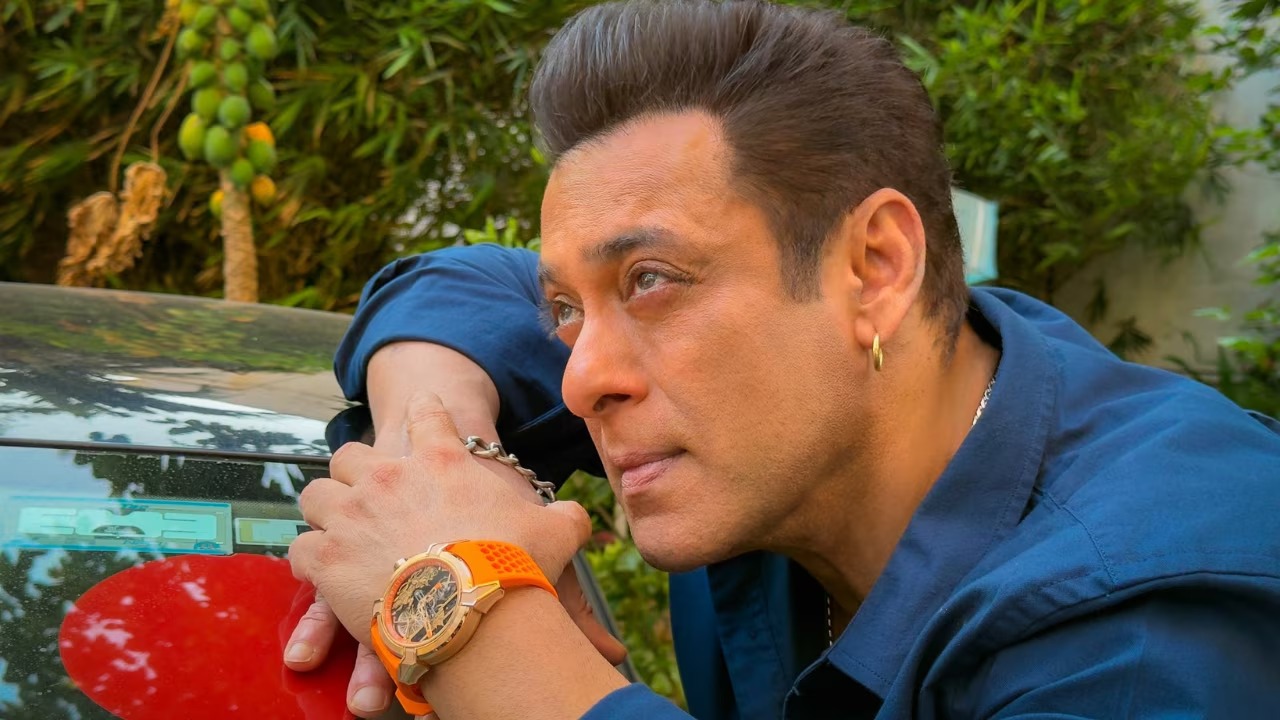
The Bombay High Court has ordered Bollywood actor Salman Khan's neighbour to delete controversial social media posts and videos stemming from a Panvel property dispute. The court ruled that digital access does not grant the right to defame individuals, emphasizing that personal grievances must be resolved through proper legal channels.
MUMBAI, INDIA — In a major legal victory for Bollywood actor Salman Khan, the Bombay High Court has formally ordered his Panvel farmhouse neighbour, Ketan Kakkad, to remove controversial and allegedly defamatory videos from social media platforms. The ruling, delivered by a single-judge bench on June 11, 2026, strongly censured the growing trend of conducting "trials by media" and using digital networks to tarnish personal reputations.
The judicial intervention overturns a previous lower civil court directive that had declined to grant temporary interim relief to the actor. The High Court made it clear that private grievances regarding land or public compliance must be navigated via appropriate statutory mechanisms rather than viral smear campaigns.
High Court Denounces Weaponization of Social Media Channels
Presiding Judge Justice Sharmila Deshmukh issued strong remarks concerning the ease with which private disputes are broadcast to mass audiences online. The court rejected defense arguments minimizing the impact of the videos, declaring that digital virality has no bearing on the illegality of defamatory material.
During the oral presentation of the order, the bench noted that even if the contested multimedia clips had been shared or aggregated by external third parties, the primary respondent remains legally obligated to take proactive steps to initiate takedown processes through digital intermediaries.
The court emphasized that individuals cannot bypass institutional legal processes by publishing damaging allegations online prior to seeking formal civil remedies.
Background of the Panvel Farmhouse Property Dispute
The friction between Salman Khan and Ketan Kakkad dates back to January 2022, when the actor initiated a formal defamation suit. The dispute revolves around adjoining land parcels in the Raigad district of Maharashtra, where Khan owns an expansive estate known as "Arpita Farm House."
According to filings submitted to the [suspicious link removed], Kakkad—a non-resident Indian (NRI)—had alleged that Khan's family blocked natural access routes to his property and breached localized environmental guidelines. Following the cancellation of a proposed land transaction by local state regulators due to structural illegalities, Kakkad participated in several YouTube interviews and circulated social media posts.
Khan's legal counsel from DSK Legal argued that the resulting posts went far beyond local boundary complaints. Legal documents revealed the online content featured false, speculative, and communally provocative claims calculated to incite public bias against the actor's household.
Practical Impact on Public Figures and Digital Platforms
The high-profile ruling establishes an essential legal precedent regarding digital accountability within India’s media landscape. By requiring the removal of content dating back to 2019 and 2020, the judiciary signals that passage of time does not reduce the actionable nature of defamatory digital content.
For major tech intermediaries—including X (formerly Twitter), Meta, and Google—the court's clear stance simplifies the enforcement of internal content moderation policies when handling validated public figure grievances.
Quote Section
The single-judge bench provided clear parameters regarding personal accountability on internet networks during the formal proceeding.
"Nobody can just upload a video and then go to a court... a video goes viral on social media within seconds. You just cannot bring disrepute to someone, be it a celebrity or a common man, by uploading a video on social media or by tweeting something," Justice Sharmila Deshmukh remarked.
Why It Matters
This ruling establishes boundaries for online speech concerning public figures. It confirms that celebrity status does not strip an individual of their basic right to reputation protection under defamation laws, while reinforcing that the proper place to settle property and civil disputes is inside a courtroom rather than via online public forums.
Key Facts at a Glance
Judicial Mandate: The Bombay High Court ordered Salman Khan's neighbour to delete controversial tweets and videos.
Core Principle: The bench declared that access to digital platforms does not give anyone a license to defame citizens or celebrities.
Dispute Genesis: The underlying legal battle stems from a long-standing property and access route disagreement near Khan's Panvel farmhouse.
Intermediary Accountability: The court ruled that content must be deleted through social media intermediaries even if third parties continue to share it.
Frequently Asked Questions
What specific accusations did Salman Khan object to in the defamation suit?
Khan objected to viral social media posts and YouTube interviews that moved past standard property boundary complaints into speculative, inflammatory, and communally provocative statements against him and his family.
Did the court rule on the actual land dispute in Panvel?
No. The High Court focused strictly on the defamation appeal and the misuse of social media platforms, directing both parties to address their actual property grievances before appropriate regional land authorities.
Where can the official orders of this case be accessed?
The full text of the interim instructions and upcoming listing schedules are tracked under the daily order boards on the official website of the [suspicious link removed].
Source: [suspicious link removed], DSK Legal Corporate Announcements, Bar and Bench Media Desk.