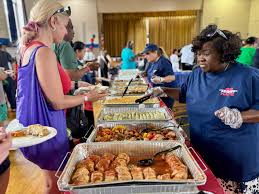
The annual multicultural food fest has launched its 2026 session, bringing diverse communities together through shared culinary traditions. By highlighting common global staples like cabbage, the event fosters civic unity, boosts local culinary businesses, and provides a successful model for sustainable community integration and social cohesion.
MUMBAI — The annual multicultural food fest officially commenced its June 2026 session yesterday, transforming civic grounds into a central hub for cross-cultural exchange. Organized by the Global Cultural Integration Council (GCIC) in partnership with regional municipal offices, the event leverages shared culinary traditions to enhance social cohesion among increasingly diverse urban populations. This year, organizers introduced a centralized theme centered around shared foundation ingredients, specifically highlighting how various global societies independently developed staple dishes around common agricultural produce like cabbage.
With civic fragmentation presenting challenges in expanding urban centers, this year's event serves as a critical strategic platform. Municipal representatives note that food-centered public diplomacy effectively lowers integration barriers for recent migrant populations while simultaneously stimulating the local neighborhood economy.
Culinary Diplomacy as a Framework for Urban Cohesion
The operational structure of the multicultural food fest goes beyond mere entertainment, functioning as an intentional exercise in urban sociology. According to research briefs published by the United Nations Educational, Scientific and Cultural Organization (UNESCO), shared culinary experiences reduce social friction in multi-ethnic municipalities by promoting cultural literacy.
The 2026 iteration features interactive pavilions representing over twenty distinct cultural demographics. Rather than isolating nationalities into separate stalls, planners arranged the exhibition space by primary ingredients. This structural layout enables attendees to observe how identical agricultural resources are adapted across varied geographical boundaries, illustrating interconnected human histories through physical food production.
The Centrality of Baseline Ingredients in Global Food Traditions
The focal point of the opening day's culinary program was the humble cabbage, a versatile crop cultivated across multiple continents. Chefs from diverse backgrounds demonstrated the global footprint of this single vegetable, highlighting how a simple agricultural product can connect distinct cultures.
Data from the Food and Agriculture Organization (FAO) emphasizes that crops like cabbage historically formed the nutritional foundation for agrarian societies during cold seasons due to their long storage life and high vitamin content. By focusing on these historical survival foods, the multicultural food fest underscores a shared human narrative of resilience, agricultural resourcefulness, and collective adaptation.
Economic and Social Impacts on Local Communities
Municipal data indicates that the multicultural food fest yields measurable benefits for local small businesses and independent food vendors. Neighborhood culinary businesses report a notable increase in secondary catering requests following their participation in public cultural exhibitions.
Beyond immediate financial returns, municipal inclusion coordinators track long-term social metrics, noting a correlation between sustained community food programming and increased participation in neighborhood civic assemblies. For first-generation residents, presenting ancestral culinary techniques provides direct social validation, easing their transition into the broader societal framework.
Official Sources Section
The organizational parameters, culinary metrics, statistical background, and socio-economic objectives of the multicultural food fest were sourced from official press releases by the Global Cultural Integration Council, regional municipal integration briefings, and agricultural heritage indexes managed by international food security agencies.
Quote Section
"Food remains the most accessible, non-threatening entry point into understanding an unfamiliar culture," an organizing committee spokesperson stated during the opening media assembly. "When an individual discovers that their neighbor's traditional winter comfort dish relies on the exact same preservation techniques as their own ancestral recipes, it fundamentally alters their social perspective. The multicultural food fest uses these shared culinary foundations to actively build lasting communal bonds."
Why It Matters
For citizens and urban planners navigating rapidly evolving demographic landscapes, initiatives like the multicultural food fest provide a practical model for managing community integration. By shifting the public narrative away from cultural differences and toward shared foundational practices, cities can foster mutual respect and reduce social insulation. For everyday consumers, the event offers an accessible avenue to engage with their changing communities, building civic pride and neighborhood stability one plate at a time.
Key Facts at a Glance
Broad Civic Participation: The 2026 multicultural food fest hosts culinary representatives from more than twenty distinct ethnic backgrounds, drawing thousands of local residents.
Staple Ingredient Focus: The exhibition uses common agricultural produce, such as cabbage, to demonstrate how diverse societies share historical food preservation and preparation methods.
Measurable Economic Stimulus: Participating local vendors and small businesses experience an expansion in long-term catering operations and increased brand recognition.
Institutional Alignment: The event is supported by international cultural heritage frameworks and local municipal offices focused on lowering barriers to civic integration.
FAQ Section
Q: What is the main objective of organizing a multicultural food fest?
A: The primary goal is to use culinary arts as a tool for social inclusion and cross-cultural dialogue, helping diverse populations discover common ground through shared food traditions.
Q: Why did this year's festival emphasize common ingredients like cabbage?
A: Focusing on a universal staple crop highlights the parallel agricultural histories and culinary techniques shared across distinct geographic regions, illustrating human unity.
Q: Are the food preparation methods monitored for public health and safety?
A: Yes, all participating culinary exhibition kitchens operate under strict compliance guidelines enforced by municipal environmental health departments and local food safety boards.
Q: How can local food businesses participate in future festival cycles?
A: Interested independent vendors can submit operational credentials and cultural menu proposals directly through the municipal integration council's official registration portal during the early annual application window.
Source: Global Cultural Integration Council Media Bureau, Food and Agriculture Organization Corporate Document Repository, Municipal Department of Urban Integration Reports.