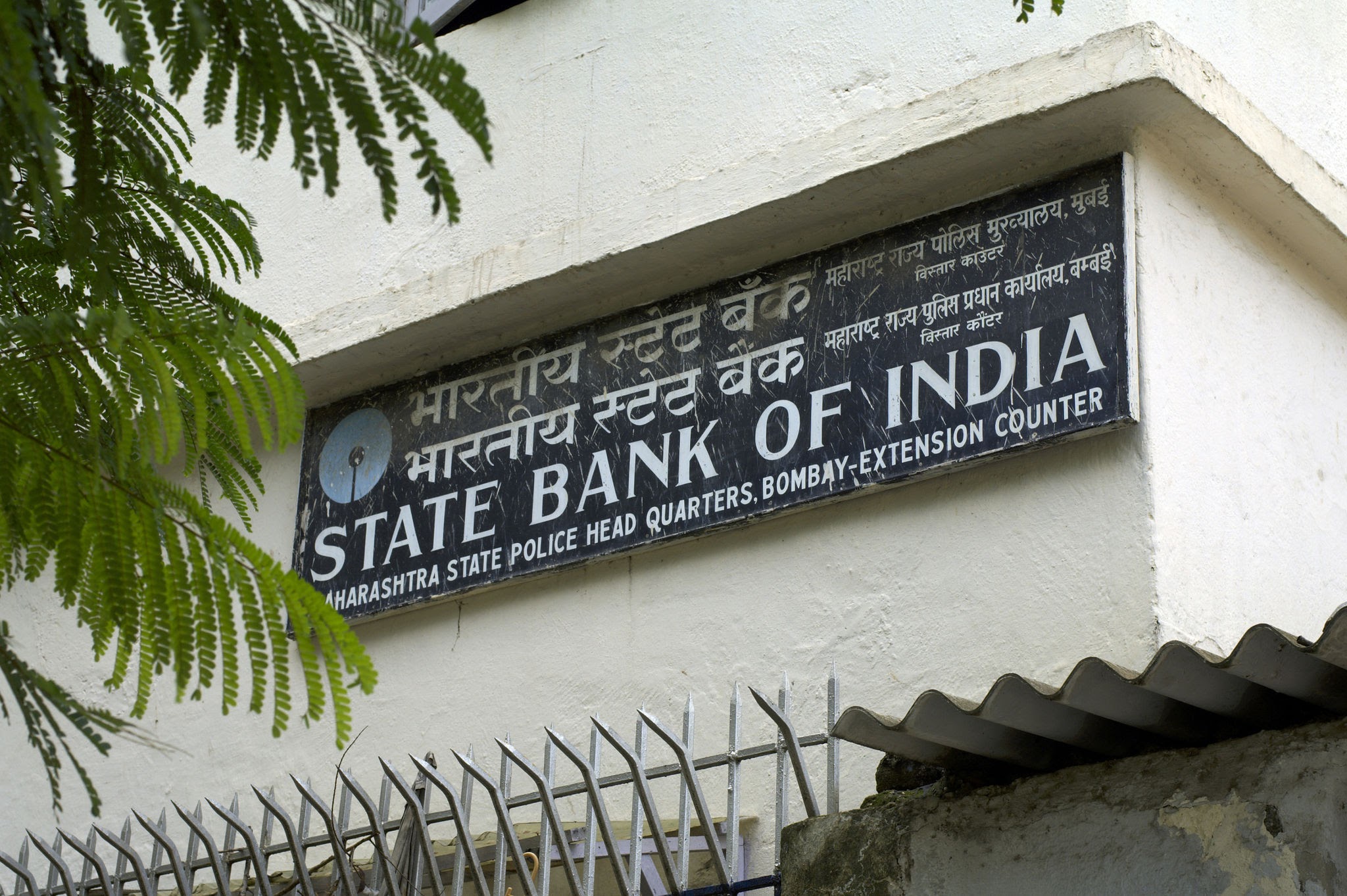
State Bank of India successfully raised ₹46.91 billion through the issuance of Basel III-compliant Additional Tier I (AT1) bonds at a coupon rate of 7.75%. The transaction strengthens the institution's core Tier I capital buffer, enhancing its lending capacity to support ongoing national economic credit demand.
MUMBAI, India — State Bank of India (NSE: SBI.NS) has successfully raised ₹46.91 billion ($560 million) through its initial issuance of Basel III-compliant Additional Tier I (AT1) bonds for the current fiscal period. According to regulatory disclosures submitted to Indian stock exchanges, the state-run banking giant priced the debt instruments at a coupon rate of 7.75% per annum. The debt issuance drew robust participation from institutional investors, reflecting strong market confidence in the institution's balance sheet strength and capital adequacy profile.
The capital raised through this debt offering will strengthen the bank's core capital buffer while supporting ongoing credit expansion across domestic corporate, retail, and infrastructure lending segments.
Terms and Pricing Structure of the Debt Issuance
The debt offering represents State Bank of India's strategic push to optimize its capital structure under international risk-management standards. The Basel III-compliant Additional Tier I bonds are perpetual debt instruments that carry a call option exercisable by the issuer, typically after a specified five-year or ten-year period, subject to prior approval from the Reserve Bank of India (RBI).
The 7.75% coupon rate achieved by the lender highlights competitive pricing in the domestic corporate bond market, driven by favorable liquidity conditions and high credit ratings assigned to the bank’s perpetual instruments. Leading domestic credit rating agencies, including CRISIL, ICRA, and CARE Ratings, historically accord AAA or AA+ ratings to SBI’s AT1 debt instruments due to sovereign ownership support and strong systemic importance.
Financial market participants noted that the issue attracted bids from pension funds, insurance companies, mutual funds, and corporate treasuries seeking stable yield assets with top-tier credit standings.
Understanding Basel III AT1 Bonds in Banking Governance
Additional Tier I bonds are specialized non-convertible, perpetual debt securities designed under global Basel III capital framework rules. Framework guidelines established by the Basel Committee on Banking Supervision require commercial lenders to maintain minimum capital buffers to absorb potential operational and credit shocks without destabilizing the broader financial system.
Key regulatory features of State Bank of India Basel III AT1 bonds include:
Perpetual Nature: These instruments do not have a fixed maturity date, though the issuer holds discretionary call options to redeem the bonds after predefined intervals.
Loss-Absorbency Mechanisms: Under RBI regulatory guidelines, AT1 bonds contain principal write-down or equity conversion triggers if the bank's Common Equity Tier 1 (CET1) ratio falls below mandatory regulatory thresholds.
Discretionary Coupon Payments: Interest payments on AT1 bonds are paid out of distributable reserves and remain fully discretionary, subject to capital conservation buffer requirements.
By tapping the AT1 bond market, SBI expands its overall capital adequacy ratio (CAR) without diluting existing equity holdings or equity share capital.
Market Dynamics and Macroeconomic Context
The successful debt placement by State Bank of India comes at a time when Indian commercial banks are experiencing sustained credit demand across retail loans, commercial real estate, manufacturing, and green energy projects. To support multi-year credit growth trajectories while maintaining regulatory capital buffers well above mandatory thresholds, major public and private sector banks have increasingly turned to Tier I and Tier II bond markets.
The 7.75% coupon rate serves as a benchmark for subsequent debt issuances by other Indian public sector banks planning similar perpetual bond sales. Analysts attribute the tight pricing spread to SBI's status as the country's largest commercial bank, holding roughly a quarter of total domestic deposits and credit market share.
Operational and Strategic Impact on Banking Ecosystem
For Investors and Asset Managers: The issuance offers institutional fixed-income investors access to high-yielding, top-rated debt assets backed by India’s largest banking network.
For Borrowers and Businesses: Enhanced capital buffers provide SBI with additional lending capacity to finance large-scale corporate ventures, public infrastructure projects, and small-business loans.
For Banking Sector Stability: Re-entering the primary AT1 bond market demonstrates the functional depth and liquidity of India's domestic debt market for capital-raising exercises.
Official Sources Section
Financial data, transaction volume, and coupon details referenced in this news report are drawn directly from official regulatory filings and corporate disclosures submitted by the bank:
Regulatory disclosures filed under Regulation 30 of the SEBI (Listing Obligations and Disclosure Requirements) Regulations with the National Stock Exchange of India (NSE) and BSE Limited.
Official press notes released by State Bank of India Corporate Centre, Mumbai.
Regulatory framework releases issued by the Reserve Bank of India concerning Basel III capital regulation guidelines.
Quote Section
According to official filings submitted by the bank to domestic stock exchanges, the issuance committee approved the allotment of perpetual bonds following the successful completion of the bidding process on the exchange's electronic book platform.
Officials noted that the capital raised will be integrated into the bank's overall Tier I capital base in accordance with applicable Reserve Bank of India regulatory guidelines.
Why It Matters
The successful placement of State Bank of India Basel III AT1 bonds underscores the financial system's overall health and investor appetite for long-term banking debt. By locking in long-term capital at 7.75%, SBI secures cost-effective funding to support national economic expansion while maintaining robust financial health against macroeconomic volatility.
Key Facts at a Glance
Total Capital Raised: ₹46.91 billion ($560 million).
Coupon Rate: 7.75% per annum.
Instrument Structure: Basel III-Compliant Additional Tier I (AT1) Perpetual Bonds.
Issuer Name: State Bank of India (NSE: SBI.NS / BSE: 500112).
Regulatory Compliance: Issued under Reserve Bank of India Basel III capital guidelines.
Frequently Asked Questions (FAQ)
How much money did State Bank of India raise through this bond issuance?
State Bank of India raised ₹46.91 billion through its first issuance of Basel III-compliant Additional Tier I bonds for the period.
What is the coupon rate for State Bank of India AT1 bonds?
The bonds were issued at a coupon rate of 7.75% per annum.
What are Basel III AT1 bonds?
Additional Tier I (AT1) bonds are perpetual debt securities without a fixed maturity date used by banks to augment core capital buffers under international Basel III standards.
How do AT1 bonds help State Bank of India?
AT1 bonds allow State Bank of India to strengthen its regulatory Tier I capital ratio, expanding its total lending capacity without diluting shareholder equity.
Source: Official regulatory disclosures filed on the National Stock Exchange of India (NSE) and regulatory policy directives published by the Reserve Bank of India (RBI).