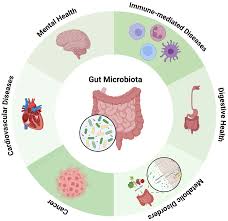
NEW DELHI, India — The global medical community has shifted its baseline understanding of the human gastrointestinal tract, formally redefining gut health from a localized digestive mechanism into a primary coordinator of systemic immunity and metabolic wellness. Driven by breakthrough clinical tria...
NEW DELHI, India — The global medical community has shifted its baseline understanding of the human gastrointestinal tract, formally redefining gut health from a localized digestive mechanism into a primary coordinator of systemic immunity and metabolic wellness. Driven by breakthrough clinical trials published in mid-2026, researchers have mapped the specific cellular pathways through which microbial populations train white blood cells and synthesize protective compounds. This clinical validation confirms that the trillion-member ecosystem residing in the intestines functions effectively as a distinct human organ, carrying direct health implications for billions of global consumers.
The Gut-Immune Axis: Training the Human Defense Network
The structural link between digestive wellness and disease resistance resides within the Gut-Associated Lymphoid Tissue (GALT). This specialized biological framework lines the intestinal walls and houses greater than 70 percent of the human body's active immune cells.
According to comprehensive clinical reviews published by the British Society of Gastroenterology, the gut microbiome serves as an interactive instructional manual for these defenses. Beneficial bacterial strains interact continuously with dendritic cells and macrophages embedded in the mucosal lining. This continuous exposure teaches the immune system to preserve full biological tolerance for harmless food proteins while rapidly deploying targeted, high-velocity inflammatory defenses when dangerous pathogens are detected.
Microbial Metabolites Mitigate Chronic Inflammatory Risks
Beyond direct cell-to-cell interaction, the true systemic power of the digestive tract relies on metabolic synthesis. When beneficial microbes consume complex dietary fibers, they break down these substrates into Short-Chain Fatty Acids (SCFAs), primarily acetate, propionate, and butyrate.
Data compiled by the National Institutes of Health (NIH) demonstrates that these specific fatty acids provide the critical fuel required to maintain the structural integrity of the intestinal epithelial barrier. When SCFA levels drop due to a lack of fiber intake, the microscopic tight junctions holding the cell wall together can degrade. This compromise allows unrefined proteins and metabolic toxins to cross into the deep circulatory system—a clinical condition known as intestinal permeability, which triggers low-grade, chronic systemic inflammation linked directly to type 2 diabetes and cardiovascular stress.
Practical Dietary Interventions for Enhanced Microbiome Diversity
To support a highly resilient intestinal ecosystem, clinical nutritional studies suggest focusing on structural diversity rather than simply relying on commercial biotic supplements:
Prioritize Complex Fibers: Consuming a wide variety of distinct plant sources weekly provides diverse prebiotic substrates that sustain specialized bacterial populations.
Integrate Traditional Fermented Foods: Incorporating unpasteurized yogurt, kefir, and naturally fermented vegetables introduces live, active cultures that actively lower inflammatory blood markers.
Limit Ultra-Processed Formulations: Diets high in refined sugars and synthetic emulsifiers can break down the protective mucosal layer, encouraging the overgrowth of pro-inflammatory bacterial strains.
Official Sources Section
The underlying medical mechanisms, peer-reviewed trial data, and cellular interactions described in this report are based on consensus guidelines released by the World Gastroenterology Organisation and empirical multi-omic data indexed in the National Library of Medicine.
Quote Section
"According to medical officials, the microbiome behaves like a highly reactive chemical manufacturing plant. Protecting this internal environment through evidence-based nutrition is one of the most effective, accessible ways to lower systemic inflammation throughout the human life cycle."
Why It Matters
Transitioning from general wellness concepts to a precise, scientifically backed approach to gut health allows public health systems to build proactive preventative care strategies. Understanding the cellular pathways of the microbiome gives clinicians measurable tools to manage metabolic disorders and immune sensitivities through structured dietary adjustments, reducing long-term reliance on chronic symptom-management medications.
Key Facts at a Glance
Immune Concentration: Over 70% of human immune cells are located directly within the intestinal wall tissues.
Primary Fuel Source: Beneficial gut bacteria convert plant fibers into Short-Chain Fatty Acids to maintain gut barrier strength.
Systemic Defense: A well-balanced microbiome actively prevents systemic toxins from entering the bloodstream.
Diversity Strategy: Dietary variation is clinically verified as the primary driver of stable microbial health.
Frequently Asked Questions (FAQ)
What is the difference between prebiotics and probiotics?
Prebiotics are non-digestible plant fibers that serve as fuel to nourish existing beneficial bacteria. Probiotics are live, active microorganisms found in fermented foods or supplements that temporarily add to the population of your internal ecosystem.
How does stress influence overall gut health?
The brain and the digestive system are linked via the vagus nerve. Extended psychological stress prompts the release of hormones like cortisol, which can alter gut motility, compromise the protective mucus lining, and reduce microbial diversity.
Can antibiotics cause long-term disruptions to the microbiome?
Yes. While antibiotics are vital for treating bacterial infections, they can inadvertently clear out beneficial native gut strains alongside the target pathogens. Following an antibiotic course, focus on fiber-rich and fermented foods to help restore natural balance.
Source: British Society of Gastroenterology Journals, National Institutes of Health Database, World Gastroenterology Organisation Guidelines.