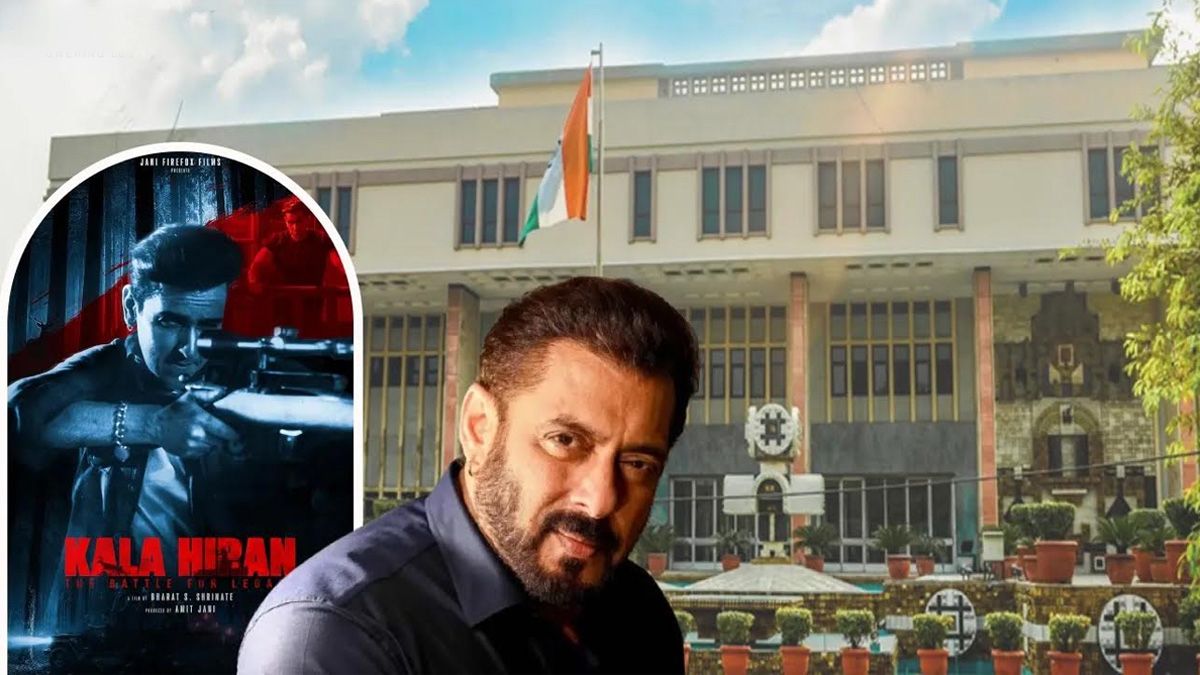
The Delhi High Court ordered the removal of the promotional teaser for the film Kala Hiran: The Battle for Legacy following a petition by actor Salman Khan. The court emphasized the protection of personality rights and warned platforms of mandatory takedowns if the contested content remained online.
The Delhi High Court issues a firm directive to scrub controversial promotional media following a high-profile celebrity lawsuit.
In a decisive legal intervention on Monday, July 27, 2026, the Delhi High Court ordered the immediate removal of the promotional teaser and associated digital assets for the upcoming independent film Kala Hiran: The Battle for Legacy. Presiding over the matter, Justice Jyoti Singh directed the filmmakers to pull down all online links, warning that platforms such as X and YouTube would face mandatory takedown instructions should the producers fail to comply. The judicial action follows a formal plea filed by Bollywood superstar Salman Khan, who contended that the promotional material unlawfully exploits his persona, infringes upon his personality rights, and jeopardizes his right to a fair trial regarding historical legal proceedings.
Judicial Scrutiny and Personality Rights Protection
The court's observations centered heavily on the ethical boundaries of commercial storytelling and the protection of individual reputation against unauthorized exploitation.
Content Identification Arguments: Legal counsel for the plaintiff argued that although the character's name is not explicitly mentioned, visual indicators—including a lookalike actor and distinctive accessories like a signature blue bracelet—unmistakably target the superstar.
Concerns Over Fair Trial: The petition emphasized that portions of the film touch upon matters sub judice, specifically referencing the 1998 blackbuck poaching case and associated judicial reviews still pending consideration.
Platform Enforcement: Justice Singh stressed that any prolonged availability of contested media inflicts continuous reputational harm, noting that the judiciary will not tolerate content that bypasses established legal boundaries.
Broader Impact on Digital Media and Filmmaking
The high-profile ruling highlights growing tension between independent media creators seeking viral publicity and high-profile public figures defending their personality and publicity rights. Legal analysts note that the court's strict stance serves as a stern reminder to content producers regarding the legal risks of crafting unauthorized biographical or insinuating narratives. For digital platforms and streaming channels, the directive reinforces the necessity of swift compliance when faced with judicial orders regarding copyright, defamation, and personality infringements.
Why It Matters
For public figures, entertainment studios, and digital content creators, this ruling sets a formidable precedent regarding the enforcement of personality rights and the swift containment of unauthorized media. It underscores the judiciary's commitment to preventing preemptive reputational damage while legal matters remain sub judice.
Key Facts at a Glance
Plaintiff: Actor Salman Khan.
Target Material: Promotional teaser and digital links for Kala Hiran: The Battle for Legacy.
Ruling Body: Delhi High Court (Justice Jyoti Singh).
Core Legal Issue: Protection of personality rights, unauthorized persona referencing, and fair trial preservation.
Frequently Asked Questions
What did the Delhi High Court order regarding the film Kala Hiran?
The court ordered the immediate removal of the film's promotional teaser and related online links from social media platforms.
Why did Salman Khan file the legal plea?
Khan argued that the film's promotional material unauthorizedly exploits his public persona, links him to historical poaching cases, and prejudices his right to a fair trial.
What happens if the producers fail to take down the teaser?
Justice Singh directed that if the filmmakers fail to comply voluntarily, hosting intermediaries such as X and YouTube will be officially mandated to remove the content.
Source: Delhi High Court, The Indian Express, Livemint