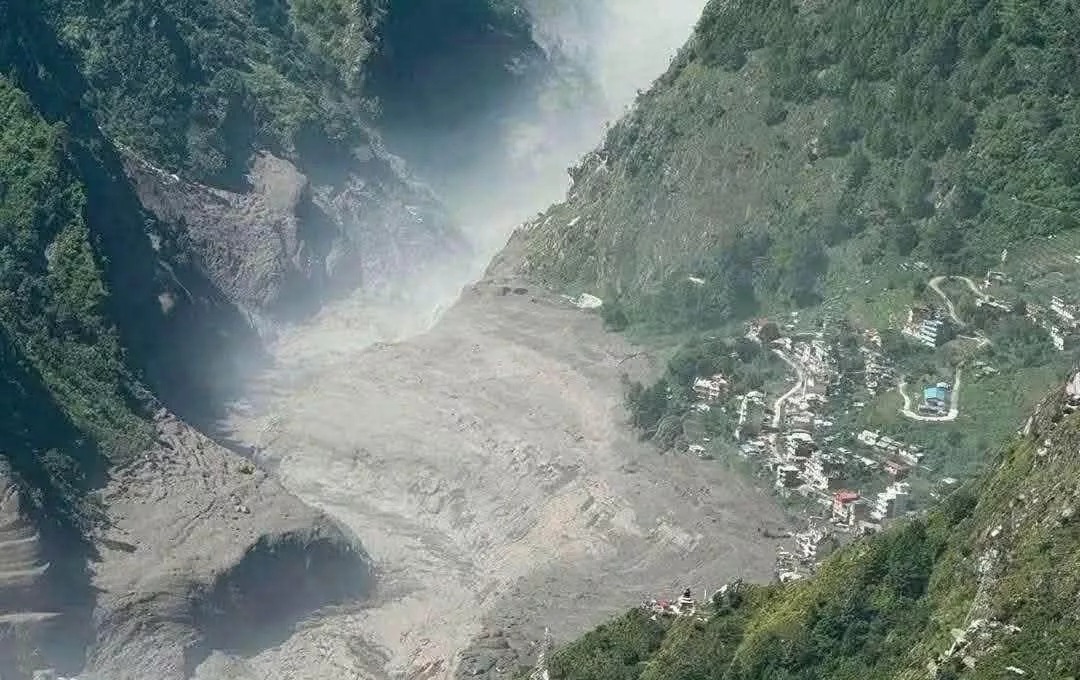
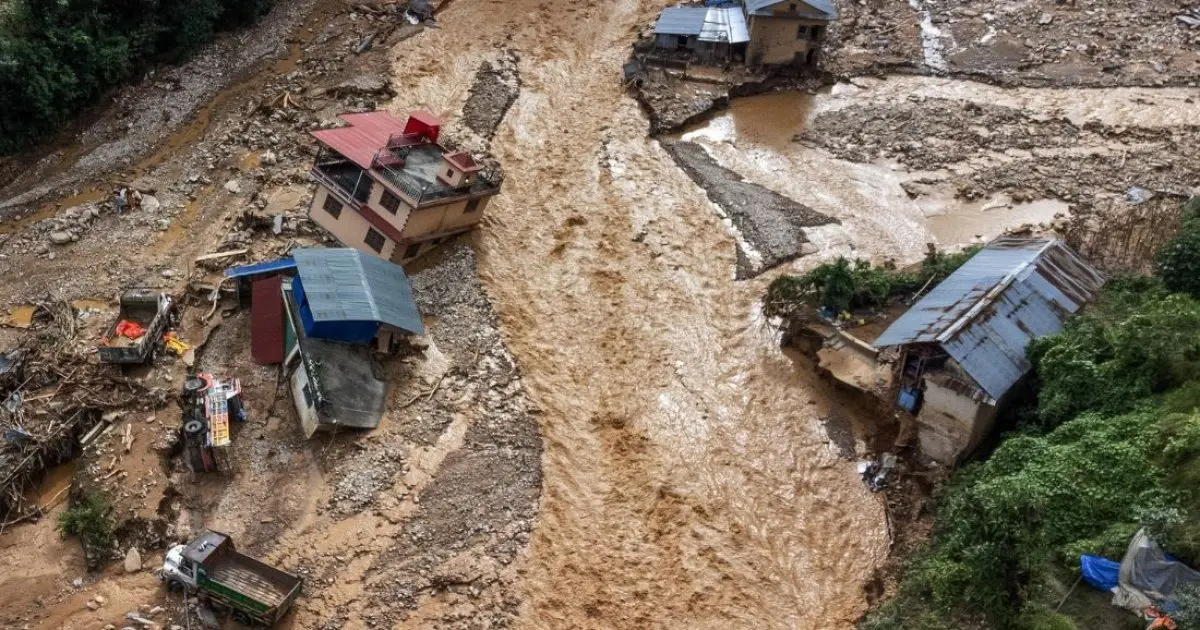
According to preliminary reports cited by Nepal's Foreign Ministry and local media, an earthquake triggered a high-altitude avalanche that subsequently caused severe flash flooding along major river basins in August 2026. Emergency response teams have been deployed to downstream districts to coordinate rescue operations and evacuate vulnerable riverside communities.
KATHMANDU — Initial assessments shared by Nepalese authorities indicate that a seismic event in the high-altitude border region triggered a massive ice avalanche, which subsequently resulted in severe flash flooding across vital river channels. The sudden surge of water and debris caught downstream communities off guard, prompting an immediate mobilization of disaster response units.
According to statements relayed by government officials and local media monitoring desks, the sequence began when tremors destabilized fragile mountain slopes and hanging glaciers, causing massive debris to block river flows temporarily. The subsequent breach of these natural blockages unleashed powerful torrents into lower riparian valleys, threatening local infrastructure and populated settlements.
Emergency Response and Regional Impact
Rescue coordination centers across the affected districts have been placed on high alert. Security personnel, including the Nepal Army and Armed Police Force disaster management battalions, were immediately dispatched to conduct search, rescue, and evacuation operations in vulnerable river corridors.
Evacuation Efforts: Local administrations are actively relocating families residing near low-lying riverbanks to designated high-ground shelters.
Infrastructure Monitoring: Transport links, bridges, and hydropower installations near the affected river networks are undergoing urgent safety evaluations.
Cross-Border Coordination: Scientific teams from Nepal and neighboring regions are utilizing satellite data to analyze upstream terrain changes and gauge the risk of secondary surges.
Quote Section
"According to officials and preliminary local reports, emergency response teams remain fully mobilized to assist affected populations as authorities continue evaluating the scope of damage caused by the flash floods."
Why It Matters
For residents, travelers, and businesses operating near major Himalayan river basins, sudden glacial and avalanche-induced floods present severe safety hazards. Rapid dissemination of official alerts enables downstream communities to evacuate timely, minimizing potential casualties and mitigating structural damage to vital regional infrastructure.
Key Facts at a Glance
Primary Trigger: Earthquake-induced avalanche impacting upper river channels.
Impact: Sudden flash flooding across vulnerable lower riparian valleys.
Response: Immediate deployment of national security and emergency rescue forces.
Affected Areas: Low-lying settlements along major northern river corridors.
Frequently Asked Questions (FAQ)
1. What caused the flash floods in Nepal, according to initial reports?
According to preliminary findings cited by officials and local media, an earthquake triggered a high-altitude avalanche that blocked river channels before bursting downstream.
2. How are authorities responding to the disaster?
Emergency rescue teams, including the Nepal Army and police disaster units, have been deployed to evacuate vulnerable residents and secure affected zones.
3. Which areas are primarily impacted by the flooding?
Low-lying settlements and infrastructure situated along major northern river basins downstream from the affected mountain regions are experiencing the primary impact.
4. Where can official updates regarding rescue operations be found?
Official updates are disseminated through the Ministry of Foreign Affairs, local district administrations, and the NDRRMA.
Source: Ministry of Foreign Affairs Nepal, NDRRMA Portal, and The Kathmandu Post Reports