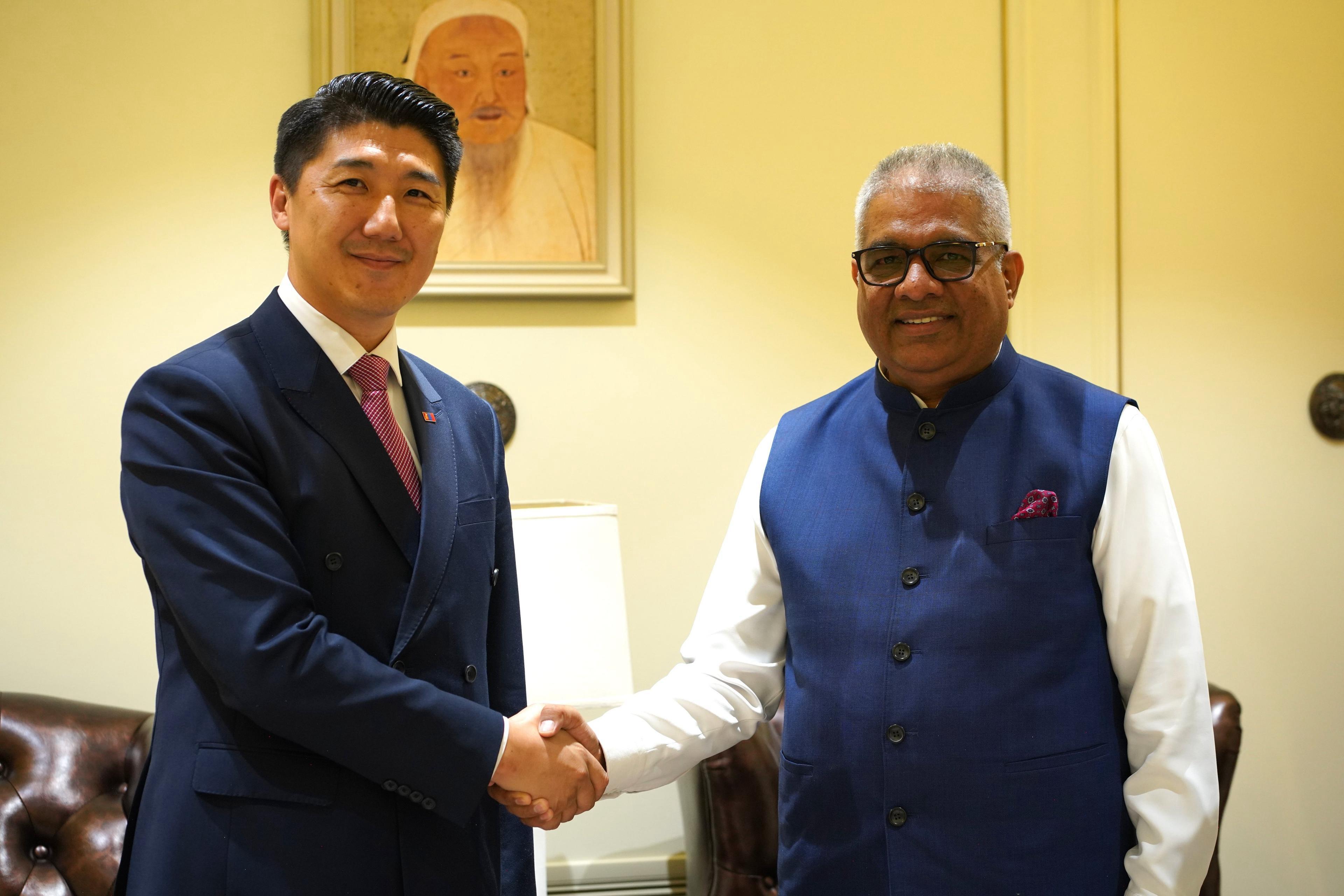
Union Environment Minister Bhupender Yadav arrived in Ulaanbaatar, Mongolia, to participate in the 17th session of the Conference of the Parties (COP17) to the UNCCD. Highlighting India's commitment to combat desertification, the delegation launched the country's first-ever guide to Open Natural Ecosystems to bolster global climate resilience and biodiversity restoration.
Backed by official ministerial announcements, India's environmental leadership has taken center stage at international desertification talks in Ulaanbaatar.
Launching India's First Open Natural Ecosystems Guide
The international environmental diplomacy calendar reached a significant milestone on Sunday, August 23, 2026, as Union Minister for Environment, Forest and Climate Change Bhupender Yadav arrived in Ulaanbaatar, Mongolia. According to official government releases, Minister Yadav traveled to the capital to spearhead India's delegations at the 17th Session of the Conference of the Parties (COP17) to the United Nations Convention to Combat Desertification (UNCCD).
A core highlight of India's early participation involved launching the country's first-ever comprehensive Guide to Grasslands and Other Open Natural Ecosystems (ONEs). Developed under the oversight of the Ministry of Environment, Forest and Climate Change (MoEFCC), the publication serves as a definitive resource mapping critical non-forest biomes—ranging from Himalayan alpine pastures and Thar desert flats to Deccan savannas and coastal scrublands.
Scientific Context and Global Climate Resilience
The high-level discussions in Mongolia focus heavily on shifting administrative paradigms regarding landscapes traditionally mislabeled as "wastelands". Key focal points of the Indian delegation's agenda include:
Challenging Biome Biases: Ministerial briefings emphasized that scrublands, ravines, and grasslands support unique endemic wildlife—such as the Great Indian Bustard and Indian wolf—while sustaining indigenous pastoral communities.
Land Degradation Neutrality (LDN): Sessions examine science-informed, landscape-level planning to achieve national LDN benchmarks and arrest creeping soil erosion.
Carbon Sequestration: Technical panels highlighted the vital role healthy root systems and soil microbes play in long-term carbon storage and local microclimate stabilization.
International Collaboration: Delegates from UNCCD member states are reviewing cross-border frameworks to finance sustainable land management and drought mitigation strategies.
Why It Matters
The practical implications of Minister Yadav's diplomatic mission resonate across agricultural productivity, rural livelihood security, and global climate mitigation. By securing formal international recognition for open natural ecosystems, India provides policymakers and conservationists worldwide with actionable frameworks to combat desertification, protect vital watersheds, and safeguard pastoral economies against accelerating climate pressures.
Key Facts at a Glance
Event: 17th Session of the Conference of the Parties (COP17) to the UNCCD.
Host Location: Ulaanbaatar, Mongolia.
Indian Delegation Lead: Union Environment Minister Bhupender Yadav.
Major Launch: India's first-ever comprehensive Guide to Grasslands and Other Open Natural Ecosystems (ONEs).
FAQ Section
Why did Environment Minister Bhupender Yadav travel to Mongolia?
Minister Yadav traveled to Ulaanbaatar to lead India's delegation at the UNCCD COP17 summit, focusing on global land restoration and combating desertification.
What major initiative did India launch at COP17?
India launched its first-ever comprehensive Guide to Grasslands and Other Open Natural Ecosystems (ONEs) to highlight their ecological and socio-economic importance.
Why are Open Natural Ecosystems critical for climate resilience?
These landscapes store substantial carbon, support endemic wildlife, protect soil health, and sustain vital pastoral and agricultural livelihoods.
Where can readers track official updates regarding India's participation at UNCCD COP17?
Official announcements, policy papers, and press briefings are published regularly on the Ministry of Environment, Forest and Climate Change Portal.
Source: The Hawk, PIB India, UNCCD Portal, The New Indian Express