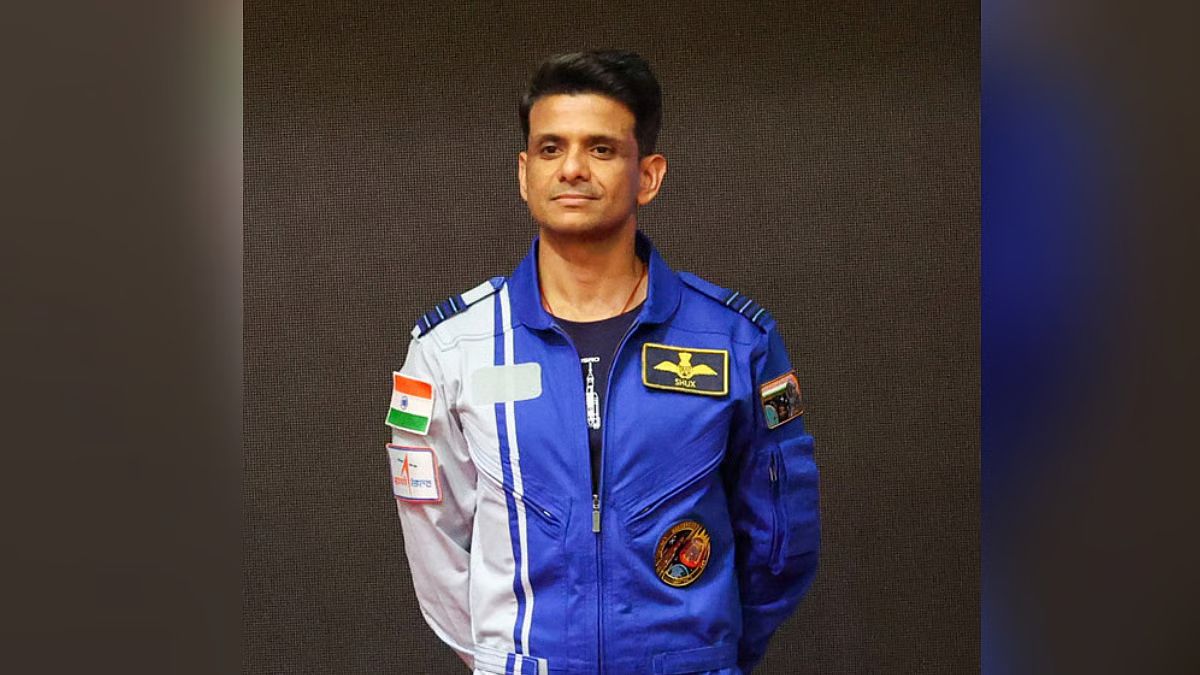
Marking National Space Day, Indian Air Force Group Captain Shubhanshu Shukla described India's space future as exceptionally bright yet demanding. Speaking at the Space Applications Centre, the astronaut emphasized that achieving ambitious crewed flight and lunar exploration goals requires sustained hard work, institutional time, and robust resource investments.
Backed by official addresses, a decorated national astronaut has underscored that realizing the country's next-generation orbital milestones requires unprecedented national commitment.
Assessing the Horizon of India's Space Sector
The national conversation surrounding advanced aeronautical engineering reached a critical juncture on Sunday, August 23, 2026, as India marked its official National Space Day. Speaking on the sidelines of commemorative events hosted by the Space Applications Centre (SAC) in Ahmedabad, Indian Air Force (IAF) Group Captain and astronaut Shubhanshu Shukla delivered a candid assessment of the nation's celestial trajectory.
Commemorating the third anniversary of the historic Chandrayaan-3 lunar south pole landing, Group Captain Shukla noted that while the institutional and public enthusiasm for space exploration has never been higher, maintaining momentum requires navigating complex structural hurdles. Reflecting on his own experiences with international orbital missions, the astronaut emphasized that transitioning from robotic lunar probes to crewed human spaceflight demands rigorous technical precision and sustained financial resources.
Technical Demands and Public-Private Collaboration
The observance brought together science educators, industry leaders, and youth delegates to evaluate ongoing milestones within India's burgeoning space economy. Key themes addressed during the administrative briefings include:
The Gaganyaan Horizon: Preparations for India's indigenous human spaceflight program require advanced life support systems, crew safety escape mechanisms, and specialized microgravity training protocols.
Ecosystem Expansion: Presentations highlighted the rapid integration of private sector aerospace startups alongside the Indian Space Research Organisation (ISRO), fostering a broader industrial baseline for manufacturing and component testing.
STEM Engagement: Interactive sessions featured student rover challenges and rocket-building competitions designed to inspire the next generation of engineers and mission specialists.
Resource Allocation: Leadership reiterated that expanding deep-space capabilities, including planned lunar sample return missions and orbital stations, necessitates long-term capital commitments across both public treasuries and private venture funds.
Why It Matters
The practical implications of Group Captain Shukla's assessment resonate across national security, high-tech manufacturing, and educational planning. As India scales its participation in the multi-trillion-dollar global space economy, maintaining rigorous technical standards and supporting domestic research infrastructure are essential to securing long-term self-reliance and international competitiveness.
Key Facts at a Glance
Occasion: National Space Day 2026, marking the anniversary of Chandrayaan-3.
Key Speaker: IAF Group Captain and astronaut Shubhanshu Shukla.
Core Message: India's space future is exceptionally promising but demands disciplined labor, time, and heavy resource investment.
Primary Focus Areas: Human spaceflight preparation (Gaganyaan), public-private industrial collaboration, and STEM youth engagement.
FAQ Section
What did Group Captain Shubhanshu Shukla state about India's space future?
Shubhanshu Shukla stated that while India's space sector holds a very bright future, it remains highly challenging and requires sustained hard work, time, and adequate resources to succeed.
What event served as the backdrop for these remarks?
The statements were delivered during National Space Day celebrations organized by the Space Applications Centre (SAC) on August 23, 2026.
Why is National Space Day observed in India on August 23?
The date commemorates the successful soft landing of the Chandrayaan-3 mission near the Moon's southern polar region on August 23, 2023.
Where can space enthusiasts track official ISRO mission announcements?
Official schedules, mission updates, and launch logs are published regularly on the ISRO Official Portal.
Advanced rocket ignition and space vehicle liftoff representing national technological capability and orbital exploration.
Source: ISRO Portal, ANI News, Ministry of Science and Technology, The Hindu