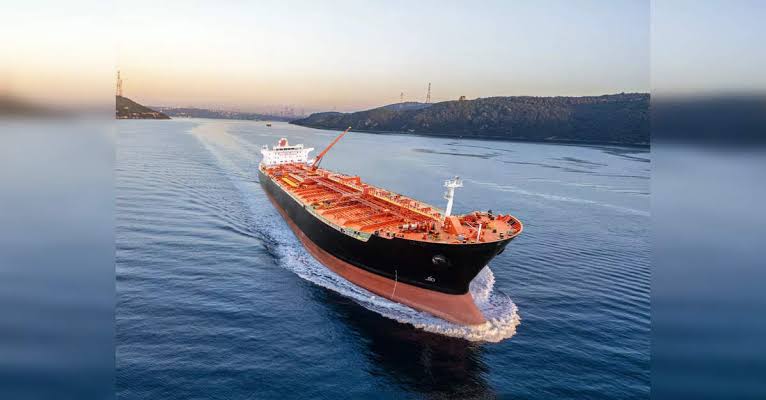
Russia’s imports of refined fuel from Asia via ship-to-ship (STS) transfers are set to reach nearly 270,000 metric tons in August, according to vessel-tracking data. The offshore operations provide essential product volumes, including gasoline and diesel, to balance domestic fuel inventories following refinery maintenance and regional distribution disruptions.
MOSCOW, Russia — Russia’s refined fuel imports from Asia conducted via ship-to-ship (STS) transfers are on track to reach nearly 270,000 metric tons in August, according to vessel-tracking data and commodities market monitoring services. The substantial volume of seaborne product transfers reflects an uncommon dynamic for one of the world's leading crude exporters, highlighting how Moscow is leveraging regional maritime logistics and off-shore transshipment hubs to replenish its domestic fuel balances amid localized refinery outages and distribution bottlenecks.
Vessel-Tracking Data and Transshipment Mechanics
Ship-tracking data compiled by international maritime tracking agencies reveals that multiple medium-range (MR) tankers and long-range product carriers loaded refined petroleum products from Asian refining hubs before initiating cargo handoffs in offshore waters. The cargo transfers, conducted primarily in designated international waters and offshore economic zones, allow larger ocean-going vessels to offload petroleum products into feeder tankers capable of navigating shallower Russian discharge terminals.
The anticipated August volume of nearly 270,000 metric tons represents a sharp escalation in product transfers compared to standard historical trade flows. The imported consignments consist predominantly of high-grade automotive gasoline, diesel components, and specialized blending stocks sourced across Asian trading networks. These seaborne flows bypass standard direct pipeline delivery lines to address immediate supply pinches in coastal distribution nodes and major transport hubs.
Domestic Refinery Disruptions and Supply Realignment
The surge in refined fuel imports arrives against a backdrop of prolonged unscheduled maintenance, seasonal overhaul schedules, and operational disruptions across several major Russian oil refining facilities. While Russia remains a major global exporter of crude oil, domestic processing capacity has faced intermittent strain, prompting energy authorities to implement export restrictions and seek external refined product supplies to prevent domestic pump shortages.
To stabilize retail forecourts and prevent regional fuel price spikes during peak harvest and summer travel months, Russian energy trading entities have engaged foreign refining centers across Asia. The adoption of ship-to-ship transfers provides supply chain flexibility, enabling traders to aggregate volumes at sea, optimize delivery schedules, and manage port congestion at primary receiving terminals located along the Black Sea and Far East corridors.
Market Implications for Global Energy Flows and Traders
The scale of product movements has notable implications for international tanker markets, product differentials, and regional fuel distribution:
Shipping and Freight Rates: Increased demand for product tankers executing STS transfers in Asian and Eurasian waters has supported charter rates for clean medium-range (MR) vessels.
Asian Refinery Margins: Asian export-oriented refiners benefit from alternative trade outlets for surplus middle distillates and gasoline blending components, providing support to regional refining margins.
Domestic Price Stability: For Russian businesses, agricultural transport operators, and motorists, the imported supplies prevent severe inventory drawdowns and retail fuel rationing during peak domestic consumption periods.
Official Sources
Data regarding maritime vessel movements and offshore cargo operations is tracked through international ship registry filings, global port monitoring authorities, and market data aggregators, including the International Maritime Organization (IMO) and sovereign energy monitoring data referenced by the Ministry of Energy of the Russian Federation.
Quote Section
"According to trade officials and commodity market analysts tracking tanker fixtures, the reliance on offshore transshipment points highlights ongoing efforts by energy planners to bridge regional fuel deficits through flexible seaborne delivery pathways."
Why It Matters
The delivery of nearly 270,000 metric tons of refined products via maritime STS transfers highlights the structural adaptations within Russian energy logistics. By tapping Asian refined product markets, Russian energy authorities are actively countering internal supply shortfalls, ensuring domestic fuel security while navigating complex international shipping constraints.
Key Facts at a Glance
Import Volume: Projected at nearly 270,000 metric tons for August.
Transfer Mechanism: Offshore ship-to-ship (STS) marine transshipment.
Origin Region: Asian refining and trading hubs.
Product Mix: Automotive gasoline, diesel components, and refining blending stocks.
Market Driver: Domestic refinery maintenance, operational disruptions, and regional supply deficits.
Frequently Asked Questions (FAQ)
What is a ship-to-ship (STS) fuel transfer?
A ship-to-ship transfer is an offshore logistics operation where petroleum cargo is transferred directly between two sea-going vessels while stationary at anchor or underway at sea, avoiding port congestion.
Why is Russia importing refined fuel?
Despite being a top crude oil producer, Russia is importing refined fuels to offset domestic supply imbalances caused by refinery overhauls, processing downtime, and elevated seasonal demand.
Where are these refined fuel shipments originating?
According to tanker fixture and vessel-tracking data, the cargo consignments are being sourced from Asian refining centers and trading hubs.
What types of fuel are included in the 270,000 metric ton volume?
The shipments primarily consist of automotive gasoline, middle distillates (such as diesel), and petroleum blending stocks needed for domestic distribution networks.
Source: International Maritime Organization (IMO), Ministry of Energy of the Russian Federation, Global Tanker Tracking Services, Reuters Commodities Desk.