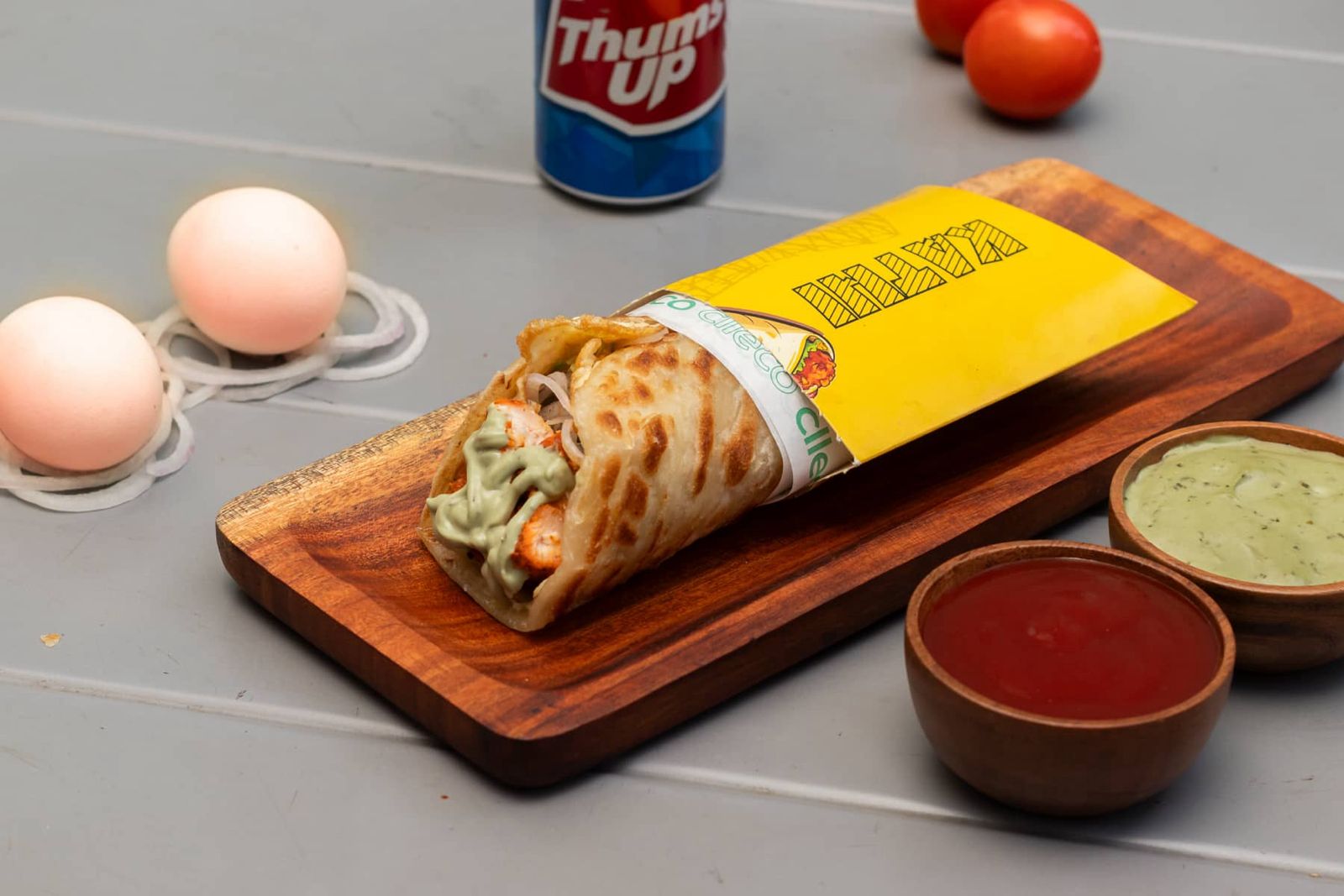
Zomato’s AI chatbot recently sparked debate after recommending Mexican wraps when asked for authentic Kolkata delicacies. The incident highlights ongoing challenges in training localized AI models to distinguish between global cuisines and deep-rooted regional specialties, raising questions about the reliability of automated suggestions within India’s diverse food delivery landscape.
Backed by social media reports, Zomato’s AI recommendation engine stumbles on regional food queries, highlighting the complexities of localizing artificial intelligence.
On August 18, 2026, social media users in Kolkata reported a significant algorithmic error within Zomato’s AI-powered recommendation feature. When prompted to suggest authentic local delicacies synonymous with Kolkata’s rich food culture—a city world-renowned for dishes like Kathi rolls, phuchka, and mishti doi—the artificial intelligence interface instead proposed Mexican wraps. The incident has drawn widespread attention from food enthusiasts and tech observers, reigniting discussions regarding the accuracy, cultural context, and reliability of AI-driven tools currently being integrated into popular food delivery platforms.
Algorithmic Limitations in Regional Gastronomy
The incident reflects a broader challenge faced by technology platforms: the "localization gap" in generative artificial intelligence. According to tech analysts, AI models are typically trained on vast, globalized datasets that often prioritize popular international search terms over nuanced, region-specific cultural information.
Industry experts suggest that Zomato’s AI likely prioritized "wrap-style" foods—a category that shares structural similarities between Kolkata’s iconic Kathi rolls and Mexican burritos—without correctly identifying the underlying cultural or geographical context. This type of "hallucination," where an AI provides a plausible but contextually incorrect answer based on superficial data similarities, remains a primary obstacle for developers aiming to provide hyper-localized experiences in diverse markets like India.
Impact on Food Delivery and Consumer Trust
For a company like Zomato, which relies on consumer trust to maintain its market position, such glitches have tangible impacts.
User Engagement: Incorrect suggestions can discourage users from utilizing advanced AI features, defaulting them back to traditional search methods.
Brand Perception: For a city as food-conscious as Kolkata, misidentifying iconic regional dishes is viewed by local users as a lack of cultural awareness.
Platform Accuracy: Reliable recommendations are essential for business-to-consumer (B2C) operations, as they directly influence order volume and customer loyalty.
A Zomato spokesperson did not immediately issue a formal correction regarding the specific interaction, but industry stakeholders note that the platform is currently undergoing rapid updates to its natural language processing (NLP) models to better align with localized preferences.
Why It Matters
As AI becomes the primary interface for consumer services, ensuring that these systems respect and accurately reflect regional cultural nuances is essential for maintaining brand integrity and user satisfaction.
Key Facts at a Glance
The Incident: Zomato’s AI chatbot suggested Mexican wraps in response to a user requesting authentic Kolkata delicacies.
The Root Cause: Likely due to superficial data mapping between wrap-style foods (like rolls) and global counterparts.
Platform Context: Zomato continues to integrate generative AI tools to assist users in discovering new cuisines.
Consumer Impact: Highlights the ongoing struggle between globalized AI training and the need for hyper-localized knowledge.
FAQ Section
Why did the Zomato AI recommend Mexican food instead of local Kolkata dishes?
The AI likely matched the query for "Kolkata delicacies" (often featuring rolls) with its global database of "wrap-style" foods, resulting in a misaligned suggestion based on structural rather than cultural similarities.
Is Zomato’s AI prone to these kinds of errors?
As with most generative AI models, the system can suffer from "hallucinations" or logical lapses when it lacks sufficient localized training data to distinguish between globally popular foods and culturally specific regional staples.
How are food delivery apps fixing these AI glitches?
Companies are typically retraining their models with specific regional datasets, implementing stricter feedback loops, and using human-in-the-loop (HITL) systems to review and correct common recommendation errors.
Where can users report AI errors in the Zomato app?
Users can provide feedback on AI recommendations directly through the app’s chat interface by selecting the "report an issue" or "thumbs down" option on incorrect suggestions.
Source: Hindustan Times Tech Coverage, Analytics India Magazine