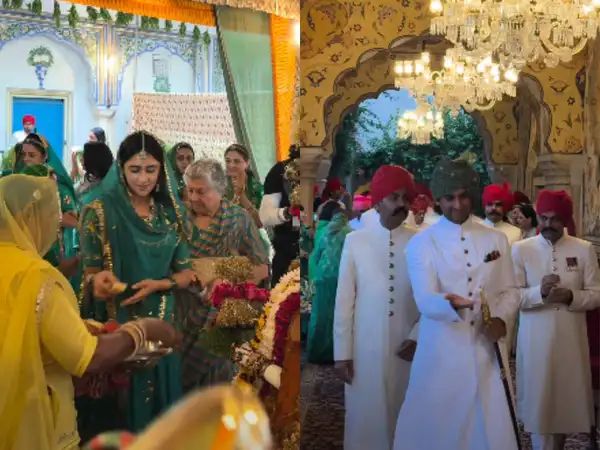
Jaipur’s royal family, led by Padmanabh Singh and Gauravi Kumari, recently observed the annual Teej festival with traditional grandeur. The celebration featured age-old rituals, classical Rajasthani music, and a majestic procession through the Pink City, reaffirming the royal family’s commitment to preserving Rajasthan’s historic cultural and religious heritage.
Backed by centuries-old customs, the Jaipur royal family’s participation in the annual Teej festival highlights the preservation of Rajasthan’s unique cultural heritage.
On August 18, 2026, the City Palace of Jaipur became the focal point of vibrant cultural activity as the royal family observed the Teej festival. Marking a significant day in the Rajasthani calendar, the celebrations saw Padmanabh Singh and Gauravi Kumari actively participating in age-old rituals, accompanied by traditional music and a grand procession that wound its way through the streets of the Pink City. The event serves as a reminder of the royal family’s enduring role in safeguarding the region's spiritual and artistic legacy, drawing thousands of onlookers and devotees to witness the historic pageantry.
The Significance of Teej in Rajasthani Heritage
Teej is a widely celebrated festival across Rajasthan, primarily dedicated to the monsoon season and the divine union of Goddess Parvati and Lord Shiva. According to historical records provided by the City Palace Museum, the festival holds profound cultural value in Jaipur, where it is not merely a religious observance but a celebration of feminine grace, renewal, and the historical identity of the Rajput clans.
The royal family’s involvement remains a cornerstone of the public festivities. Padmanabh Singh and Gauravi Kumari, representing the contemporary generation of the Jaipur dynasty, performed traditional prayers before joining the Teej Mata procession. This public display of heritage is significant today as it provides a tangible link to the past, ensuring that intricate customs—ranging from specific folk song repertoires to traditional attire—are passed down to newer generations.
Grand Processions and Traditional Rituals
The Teej procession is famous for its visual and auditory splendor. According to eyewitness accounts and official event descriptions released by local tourism authorities, the parade featured:
The Teej Mata Idol: A heavily adorned idol of the goddess carried in a gilded palanquin.
Traditional Music: Performers playing classical Rajasthani instruments, including the shehnai and dhol, echoing the rhythms of the arid plains.
Cultural Pageantry: A retinue of colorfully dressed folk artists, traditional dancers, and members of the royal household, reflecting the aesthetic grandeur of the erstwhile Jaipur state.
The procession navigated through the heart of Jaipur, passing iconic landmarks before concluding in a traditional ceremony that emphasizes communal harmony and the celebration of the monsoon—the lifeblood of the region’s agricultural economy.
Impact on Tourism and Cultural Preservation
For Jaipur, the royal Teej festival serves as a major driver for both domestic and international tourism. By participating in these public rituals, members of the royal family such as Padmanabh Singh and Gauravi Kumari act as stewards of Rajasthani culture. This engagement helps maintain the city’s global reputation as a "living museum."
Furthermore, for local businesses and artisans, the festival provides a crucial economic boost. Demand for traditional Rajasthani textiles, jewelry, and local handicrafts increases significantly during this period, reinforcing the role of the royal family in supporting the local creative economy and heritage craft sectors.
Why It Matters
The involvement of prominent figures like Padmanabh Singh and Gauravi Kumari in Teej festivities ensures that Rajasthan's cultural history remains a vibrant, living practice rather than an academic relic, benefiting both the local community and the state's tourism sector.
Key Facts at a Glance
Event: Teej Festival, an annual celebration of monsoon and divine union.
Key Participants: Padmanabh Singh and Gauravi Kumari of the Jaipur royal family.
Traditions: Religious prayers, folk music, and the iconic Teej Mata procession.
Significance: Preservation of cultural identity and economic boost to local craft and tourism industries.
FAQ Section
What is the Teej festival, and why is it important to Jaipur?
Teej is a traditional Rajasthani festival celebrating the monsoon season and the union of Goddess Parvati and Lord Shiva; it serves as a cornerstone of Jaipur’s cultural and social calendar.
What role do Padmanabh Singh and Gauravi Kumari play in the festival?
As members of the royal family, they participate in age-old rituals and lead the public procession, serving as custodians who help preserve and highlight these traditional practices to the public.
Can tourists witness the Teej procession in Jaipur?
Yes, the Teej procession is a major public event, and tourists are encouraged to watch the parade as it moves through the historic streets of Jaipur to experience the city's rich heritage firsthand.
Where can I find more information about Jaipur’s royal traditions?
Public information regarding the City Palace’s history and ongoing cultural events is available via the City Palace Jaipur Official Portal.
Source: City Palace Jaipur Official Portal, Rajasthan Tourism Department