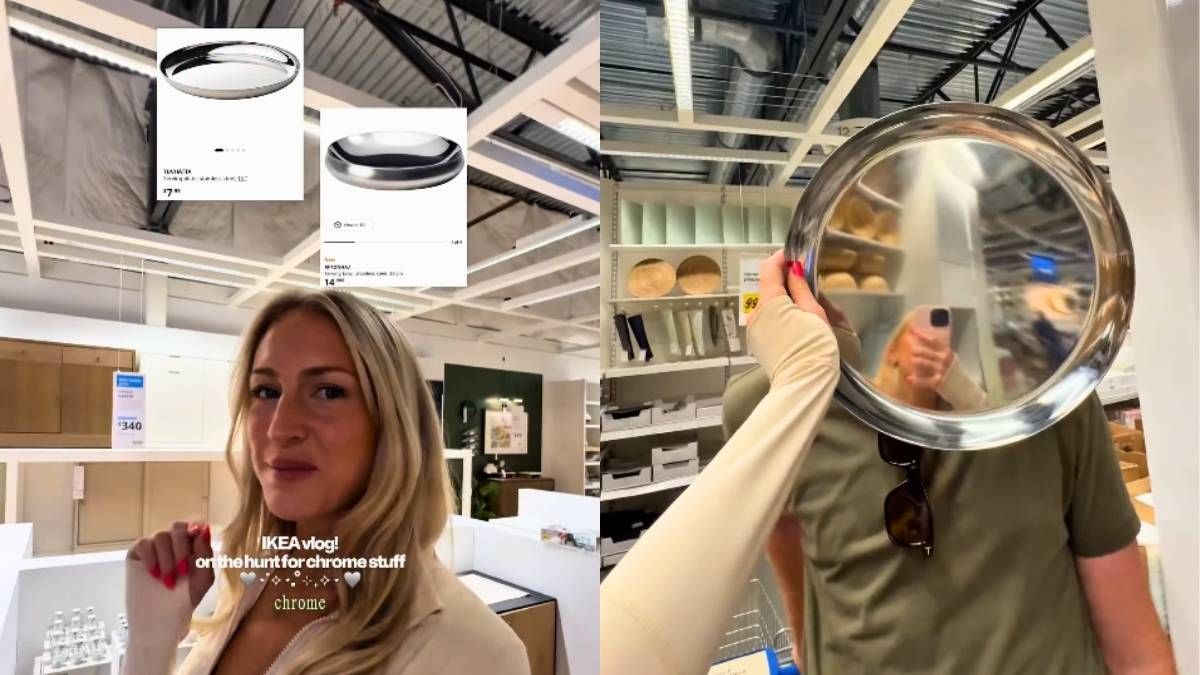
A social media video featuring an American resident using a minimalist metal IKEA tray as an authentic Indian "thali" has gone viral. The discovery highlights how global minimalist design often intersects with traditional cultural utility, sparking widespread discussion among home cooks about cross-cultural kitchen innovation and affordable, versatile serveware.
Backed by social media trends and consumer engagement metrics, a viral kitchen discovery reveals how global minimalist design serves traditional culinary needs.
A casual household discovery has transformed into a viral cultural moment after an American shopper shared an unexpected find from IKEA. In a video that recently surged across digital platforms, the user showcased a minimalist metal tray intended for serving or organizing, noting its striking resemblance to a traditional Indian steel thali. The post has triggered a widespread dialogue among domestic and international users, highlighting how global retail design frequently intersects with traditional culinary habits, proving that versatility often bridges the gap between Swedish minimalism and authentic Indian dining experiences.
Global Design Meets Traditional Culinary Utility
The viral reception of the IKEA metalware stems from its clean lines and high-quality finish, which mirror the aesthetics of traditional stainless steel thali sets found in Indian households. For many users, the discovery illustrates a shift in how modern consumers view household goods; instead of adhering to strict product categorization, shoppers are increasingly repurposing minimalist designs to suit their specific cultural dietary needs.
Industry analysts observe that this trend is not isolated. Global retail chains like IKEA often unintentionally design products that resonate with regional preferences in emerging markets. When a product’s form-factor—such as the dimensions, depth, and material finish—aligns with the functional requirements of a regional staple like the thali, it immediately gains popularity among diaspora communities and curious home cooks alike.
The Role of Social Media in Product Reinvention
This viral episode underscores the power of social media in shaping product perception and utility. While IKEA markets these items under general home organization or decor categories, the "thali conversion" trend highlights the creative adaptability of the modern consumer.
Cross-Cultural Versatility: Consumers are bypassing traditional kitchenware aisles to find durable, multi-purpose metalware that fits their specific meal-serving requirements.
Minimalist Aesthetics: The current demand for sleek, clutter-free kitchens aligns perfectly with the simplicity of traditional Indian metal plating.
Community Engagement: Social platforms allow users to share these unconventional "hacks," turning a simple shopping excursion into a collective celebration of cultural heritage and innovation.
Economic and Lifestyle Implications for Consumers
For retailers, the emergence of such viral trends offers a unique look into consumer behavior. It suggests that there is a significant, untapped demand for affordable, high-quality, and versatile serveware that respects traditional dining cultures. For consumers, the viral trend serves as an invitation to re-evaluate their existing kitchen assets, potentially discovering that the "perfect" thali is already sitting in the organizational aisle of a local furniture showroom.
Why It Matters
The viral adoption of global retail products as traditional serveware demonstrates how design accessibility and cultural versatility can foster global connections within the modern kitchen.
Key Facts at a Glance
Viral Catalyst: An American social media post identified a sleek IKEA metal tray as a perfect alternative to a traditional steel thali.
Design Convergence: Modern minimalist aesthetics in furniture retail often overlap with the functional needs of traditional Indian dining serveware.
Consumer Empowerment: Social media platforms are increasingly used as spaces to reimagine the utility of standard household goods.
Market Insight: Retailers are gaining visibility into how regional dining habits influence the unexpected success of global home organization products.
FAQ Section
Why is this IKEA metal plate being compared to an Indian thali?
The minimalist, round, and metallic finish of the tray matches the aesthetic and functional requirements of a traditional stainless steel thali used in Indian households, making it a popular DIY alternative.
Is this trend common among international shoppers?
Yes, diaspora communities and global home cooks frequently repurpose versatile minimalist kitchenware to suit their specific cultural dining needs, often sharing these discoveries online to build community.
How does this impact future product design?
Retailers often monitor social media trends to understand how consumers use their products in unconventional ways, which can influence future design iterations and marketing strategies.
Where can I see the viral discussion regarding this kitchen hack?
The discussion can be followed across major social media platforms via trending hashtags related to #IKEAThali, #KitchenHacks, and #DesiFinds.
Source: TechCrunch Digital Culture Reports, The Indian Express Lifestyle Desk, Retail Insight Network