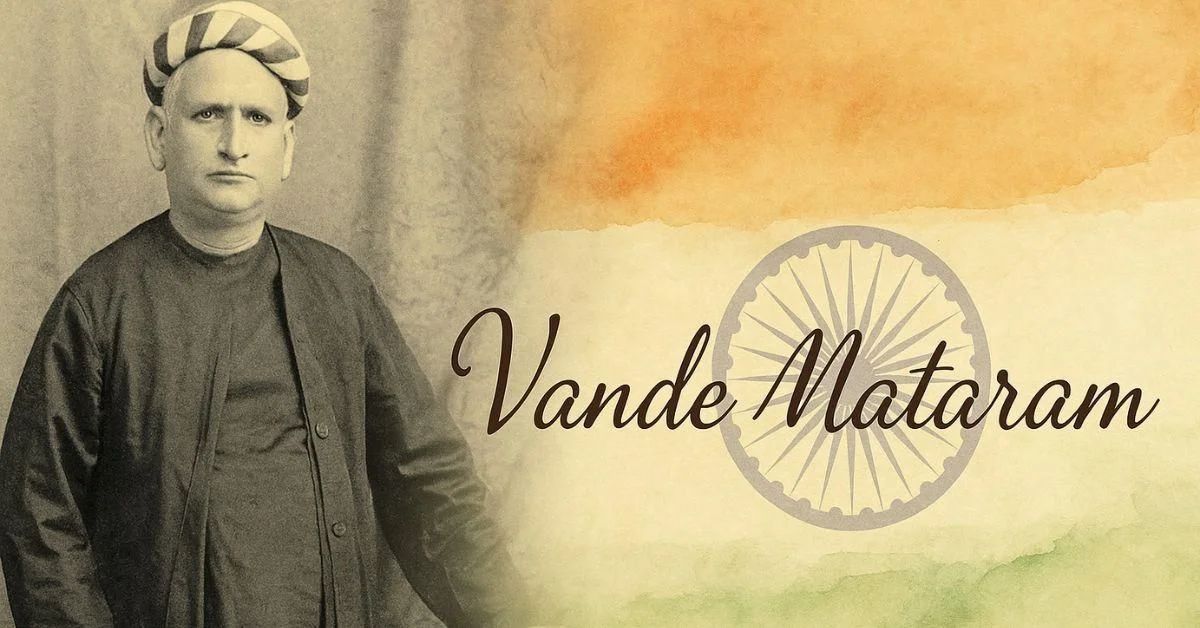
Political analysts argue that emphasizing cultural nationalism and the national song Vande Mataram will not overshadow pressing governance issues. Persistent youth unemployment, examination frustrations, and demands for institutional accountability in temple administration remain critical challenges that political strategies cannot easily bypass.
Backed by political commentary and analysis, observers note that governance debates over national songs may fail to obscure systemic economic pressures and youth discontent.
Shifting Narratives Amid Mounting Political Scrutiny
The intersection of cultural nationalism and administrative accountability entered a critical phase in August 2026, as political analysts evaluated the ruling coalition's strategic messaging. According to syndicated columns and public commentary published in major national media outlets, including the Deccan Chronicle, political strategies emphasizing the full recitation of the national song Vande Mataram arrive at a time when administrative entities face intense questioning regarding institutional transparency and youth employment.
Commentators argue that intense debates over national symbols risk deflecting public attention from underlying structural challenges. With key state assembly elections approaching, political friction has intensified around accountability frameworks for religious trusts, educational paper leaks, and widespread youth unemployment.
Context, Accountability, and Youth Discontent
The unfolding public discourse highlights a growing disconnect between cultural identity campaigns and the socio-economic demands of younger demographics. Key structural issues highlighted by analysts include:
Temple Governance and Financial Oversight: Recent controversies surrounding donation tracking and trust management have placed administrative transparency under the microscope.
Gen Z Employment Anxieties: Persistent challenges regarding job creation, educational inflation, and recruitment examination irregularities have fueled widespread frustration among young citizens.
Political Polarization over Symbols: Debates concerning legislative conventions, language policies, and nationalist criteria continue to dominate parliamentary discussions, often overshadowing economic reforms.
Impact on Citizens and Investors: Civil society groups and economic observers note that prolonged policy distractions can hinder systematic governance reforms necessary for long-term regional stability.
Why It Matters
The practical implications of these political dynamics resonate across electoral outcomes, administrative governance, and social cohesion. When public discourse remains anchored in symbolic debates rather than economic restructuring, citizens and investors face heightened uncertainty regarding job markets, institutional integrity, and long-term public service delivery.
Key Facts at a Glance
Core Subject: Intersection of cultural nationalism campaigns and socio-economic accountability.
Key Pressures: Youth unemployment, examination irregularities, and institutional trust management.
Political Context: Pre-election positioning and parliamentary debates concerning national symbols.
Primary Source Platform: Editorial commentary hosted on the Deccan Chronicle.
FAQ Section
What is the core argument regarding the recent focus on Vande Mataram?
Analysts suggest that intensified political focus on singing the full national song serves to shift public attention away from economic grievances and institutional accountability concerns.
What specific socio-economic challenges are currently fueling public debate?
Public discussions center heavily on youth unemployment, educational examination irregularities, and transparency in religious trust management.
Why do experts emphasize governance accountability over symbolic debates?
Observers argue that addressing systemic employment and transparency issues is critical for long-term economic stability and public trust.
Where can readers find the original analytical columns on this topic?
Full editorial pieces and expert commentaries are published regularly on the Deccan Chronicle Opinion Portal.
Classic government architecture and civic infrastructure representing political debate, policy analysis, and national governance.
Source: Deccan Chronicle, PIB India