




Loading market data...
ADVERTISEMENT

Latest Top News
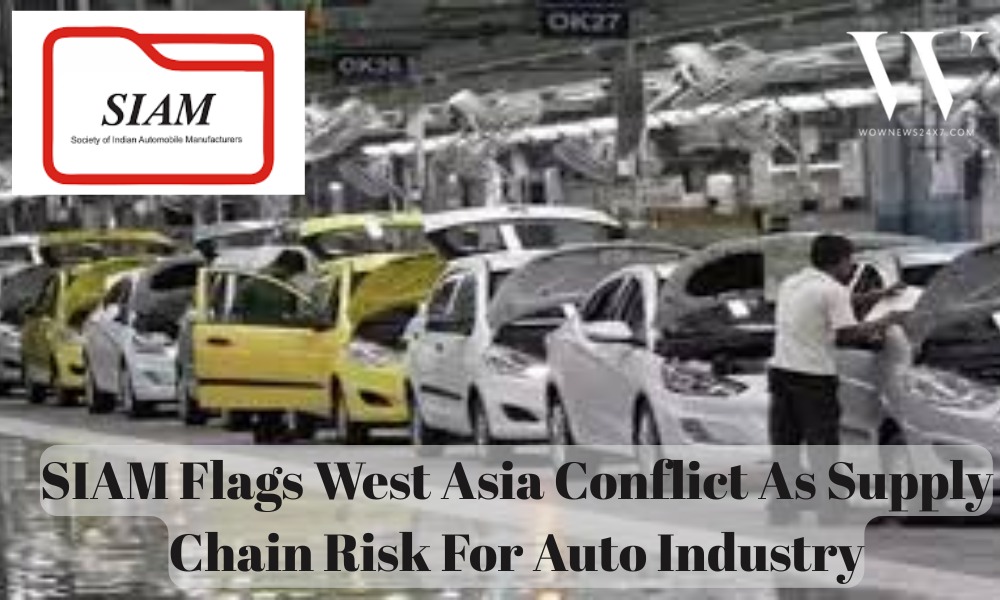
SIAM Warns West Asia Conflict Could Disrupt Auto Supply Chains And Manufacturing
India’s auto industry body SIAM flagged concerns over the ongoing conflict in West Asia, warning of potential supply chain disruptions. At the same time, U.S. and India are moving toward finalizing a critical minerals agreement, a development seen as vital for the future of electric vehicles.
Stay Ahead – Explore Now! Pune Municipal Corporation Pauses PPP School Proposal Amid Backlash
ADVERTISEMENT

Latest Updates

Instamart Inks Growth: Dhanya Hemanth Raj Named Ma...
15 Jun 2026, 11:52 PM
Sri Lanka 'A' Edge India 'A' in Heated Super Over...
15 Jun 2026, 11:47 PM
Mercedes-Benz India Steers Past Headwinds to Fuel...
15 Jun 2026, 11:45 PM
Sanon’s Andheri Asset Action: Family Bags ₹4.6 Cr...
15 Jun 2026, 11:42 PM
Banking on Trust: RBI Bans Coercive Bundling and A...
15 Jun 2026, 11:39 PMADVERTISEMENT

Top Stories
Instamart Inks Growth: Dhanya Hemanth Raj Named Ma...
15 Jun 2026, 11:52 PM
Sri Lanka 'A' Edge India 'A' in Heated Super Over...
15 Jun 2026, 11:47 PM
Mercedes-Benz India Steers Past Headwinds to Fuel...
15 Jun 2026, 11:45 PM