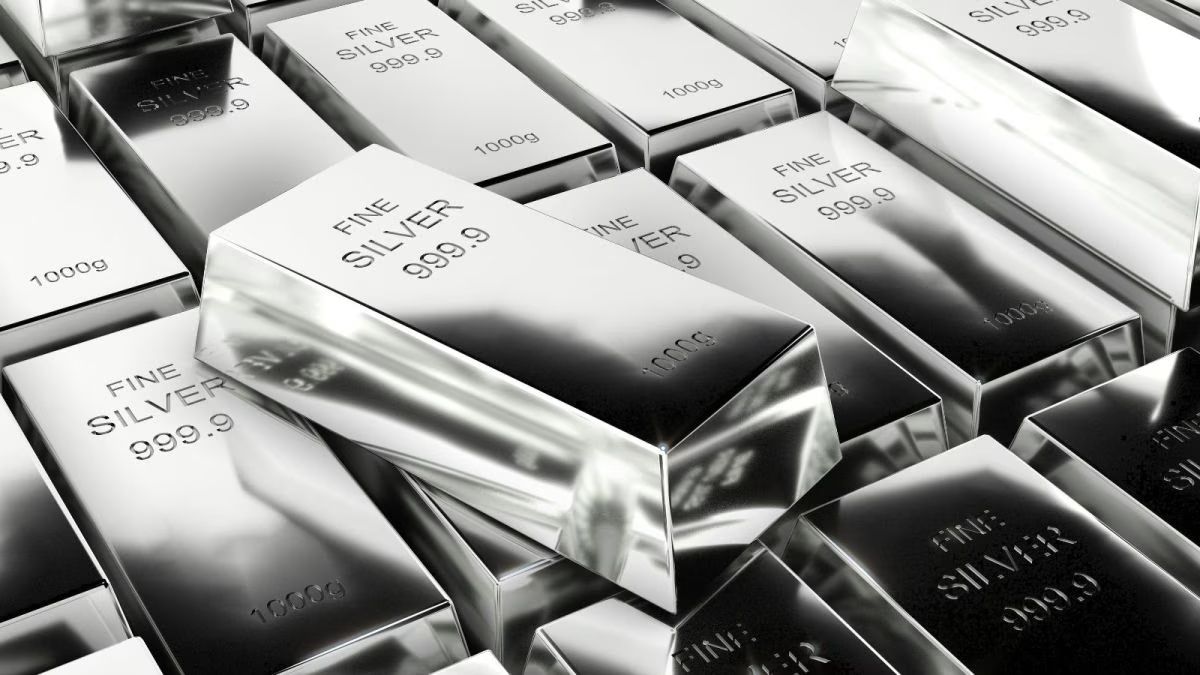
The silver rate today in India stabilized at ₹2,47,340 per kg, pausing after a sharp 7.50% weekly drop from its ₹2,67,390 peak. Driven by a stronger US Dollar over 100 and high crude oil prices, investors are staying cautious ahead of crucial upcoming US inflation data prints.
NEW DELHI — The domestic silver rate today in India consolidated its recent losses, trading flat at ₹2,47,340 per kilogram on Wednesday, June 10, 2026. This period of quiet stabilization follows a turbulent week where precious metals suffered significant selling pressure, dragging retail and industrial silver down 7.50% from its monthly peak of ₹2,67,390 seen just seven days prior. Market participants are currently abstaining from large positional bets as a volatile geopolitical landscape in West Asia and critical US inflation data prompt extensive profit-taking across multi-commodity exchanges.
Macroeconomic Headwinds and Federal Pressures Cap Bullion Gains
Domestic bullion dynamics are reflecting heavy resistance under the weight of international monetary policy signals. Data monitored by the Multi Commodity Exchange (MCX) indicates that while international spot silver futures on COMEX hovered slightly higher at $68.82 per ounce, the Indian spot market chose to move sideways. The primary catalyst driving the weekly 7.50% plunge remains a robust US labor print released last week, showing an addition of 172,000 jobs. This upside economic surprise pushed the US Dollar Index past the 100 mark, immediately dimming expectations for early Federal Reserve interest rate cuts in 2026.
Compounding the pressure on precious metals is the structural inflation risk stemming from energy markets. With Brent Crude oil sustaining levels near $97 per barrel due to maritime supply threats, high operational costs are fanning persistent core inflation worries. Consequently, market participants anticipate that global central banks will hold interest rates elevated for a longer duration, increasing the opportunity cost of holding non-yielding physical bullion.
Industrial Demand Intersects Cautious Retail Consumption
Unlike gold, which behaves strictly as a safe-haven asset, silver carries a massive dual identity due to its irreplaceable role in green technologies. Institutional tracking reveals that silver demand from the photovoltaic (solar panel) manufacturing sector, electrical vehicle (EV) drivetrains, and artificial intelligence data infrastructure remains at record highs. Analysts note that silver is currently navigating its sixth consecutive year of global structural supply deficits, which is acting as a hard floor preventing a deeper market crash despite macro economic tightening.
Conversely, domestic retail consumption across major metropolitan hubs has slowed. Indian retail jewelry buyers have adopted a highly cautious, wait-and-watch strategy in response to the sudden ₹20,000 per kilogram price swing over the past week. Easing immediate safe-haven premiums following temporary de-escalation signals between Israel and Iran has further allowed speculative retail premiums to cool off across local exchange counters.
Official Sources Section
According to official daily updates published by the Indian Bullion and Jewellers Association (IBJA), spot silver 999 purity finished Wednesday morning trade at a fixed rate of ₹2,47,340 per kg, down a marginal 0.04% compared to the previous evening's close of ₹2,47,430.
On the structural side of the derivatives market, regulatory filings from the Multi Commodity Exchange of India (MCX) showed the near-month July 2026 silver futures contract oscillating within a strict, range-bound intra-day band, recording an intra-day high of ₹2,47,688 and a supportive low of ₹2,43,932 per kg.
Quote Section
Evaluating the current market consolidation, commodity research desks emphasize that the asset's trajectory hinges entirely on global indicators scheduled later this week.
"The upcoming US CPI inflation print is the single most vital variable for bullion direction right now," stated Kaynat Chainwala, Head of Commodity Research at Kotak Securities. "If inflation numbers land higher than expected, it will reinforce the Federal Reserve's restrictive stance, strengthening the dollar index and cementing downside pressure on physical metal rates."
Why It Matters
For everyday consumers and industrial manufacturers, the current stability presents a localized buying opportunity before the next round of macroeconomic volatility. Since local prices vary significantly across different states due to local octroi, logistics overheads, and fluctuating state-level value-added taxes (VAT), keeping an eye on local baseline spot rates helps investors optimize entry points for digital silver, Exchange Traded Funds (ETFs), and sovereign physical bars.
Key Facts at a Glance
Current Domestic Price: Silver 999 fine trades steadily at ₹2,47,340 per kilogram across major national spot desks.
Weekly Correction: The precious metal has undergone a stark 7.50% correction down from the ₹2,67,390 peak recorded on June 2.
Global Benchmarks: COMEX silver futures hold horizontal support at $68.82 per ounce, restricted by a strong US Dollar Index hovering at 100.
Industrial Support: Relentless consumption from the solar, EV, and semiconductor manufacturing sectors protects silver from deeper structural drops.
FAQ Section
What is the silver rate today in India?
The silver rate today for 999 fine purity is ₹2,47,340 per kilogram, showing flat consolidation following a week-long correction.
Why did silver prices fall sharply over the past week?
Prices declined by over 7% due to stronger-than-expected US employment data, a stronger US Dollar Index crossing 100, and rising crude oil prices that triggered fears of prolonged high interest rates.
Why do silver rates vary across different Indian cities?
While the base bullion rate remains uniform, final city-specific rates vary due to localized factors including state taxes, transportation logistics, local bullion association premiums, and bank making charges.
Is it better to invest in physical silver or digital silver at current rates?
Physical silver involves extra making and storage charges, whereas digital formats like Silver ETFs and digital tokens allow trading closer to live MCX market rates without physical storage liabilities.
Sources: Spot bullion rate sheets and daily summaries via the Indian Bullion and Jewellers Association, Live commodity futures and intra-day transaction files via the Multi Commodity Exchange of India, Macro trend data and institutional market reports via Bloomberg Commodity Index Services