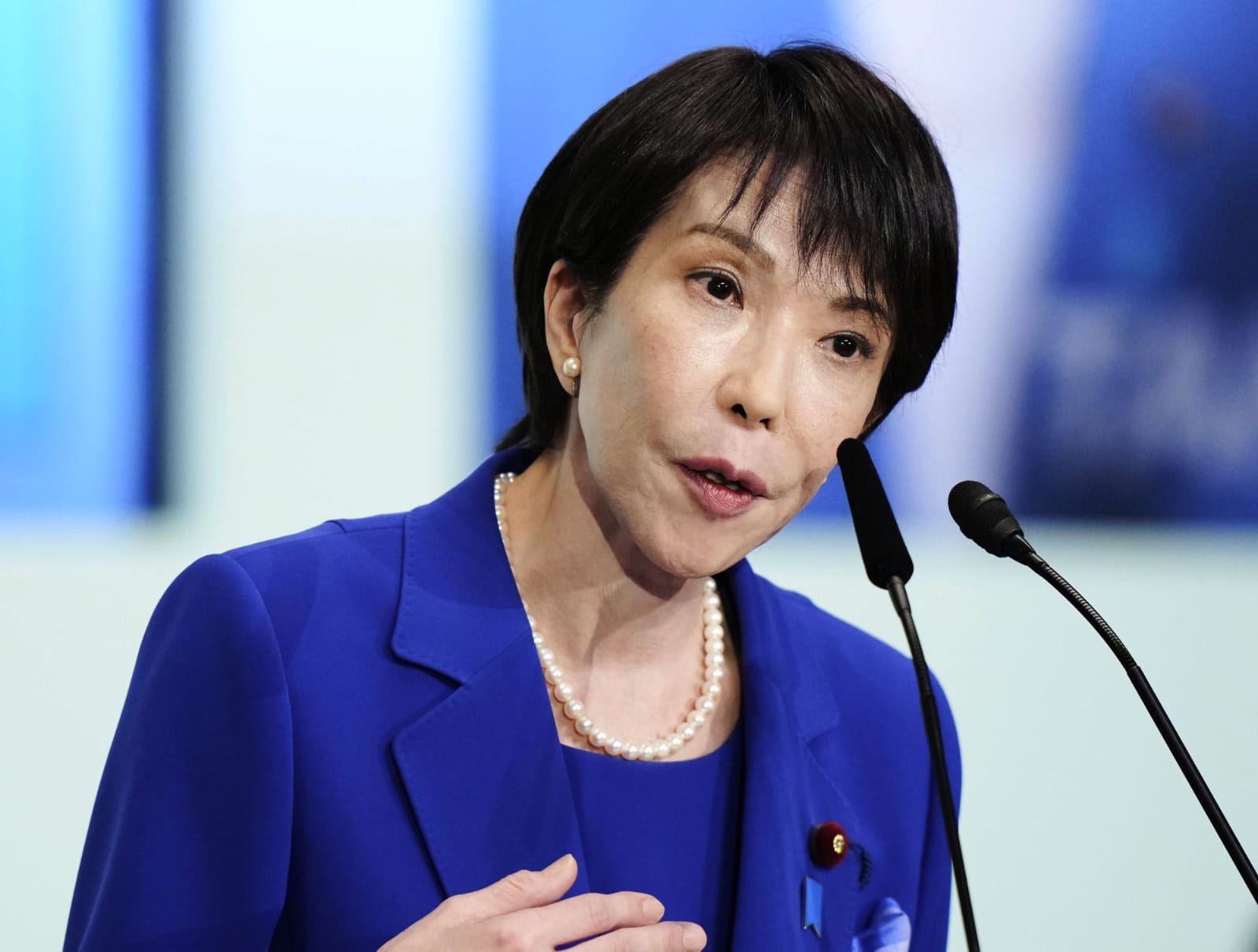
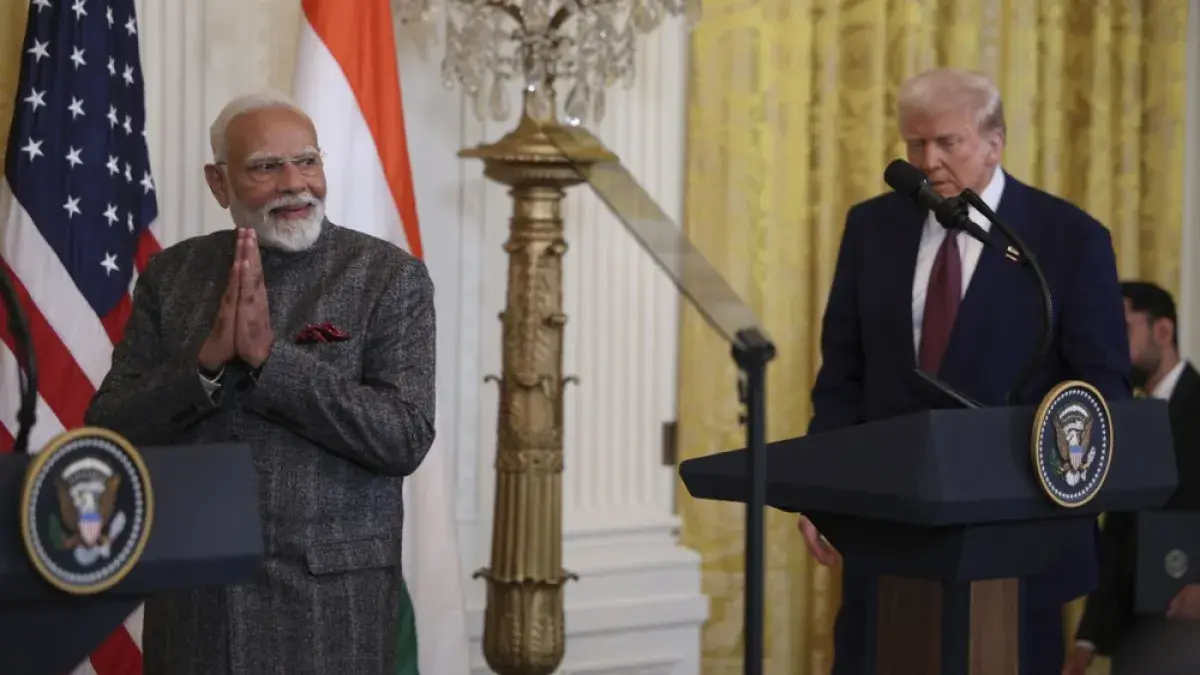
Japanese Prime Minister Sanae Takaichi is likely to visit Guwahati, Assam, from July 1 to July 3, 2026, for a high-level summit with Prime Minister Narendra Modi. The strategic visit aims to boost infrastructure and trade partnerships, marking a major diplomatic milestone for Northeast India’s Act East Policy.
GUWAHATI — Japanese Prime Minister Sanae Takaichi is highly likely to arrive in Guwahati on July 1, 2026, for a landmark three-day diplomatic visit to Assam. Announcing the development, Assam Chief Minister Himanta Biswa Sarma confirmed that arrangements are being evaluated for Takaichi to hold a high-level, summit-level bilateral meeting with Indian Prime Minister Narendra Modi. The strategic choice of venue emphasizes the growing geopolitical and economic significance of Northeast India within New Delhi’s Act East Policy and its long-term trade alliances with major East Asian partners.
Restoring Transnational Diplomatic Momentum in Assam
The proposed visit from July 1 to July 3 represents a crucial milestone for the state of Assam. Diplomatic observers note that this engagement marks the resumption of high-profile Indo-Japanese summits in the region, following a major historical disruption. A previously scheduled annual Japan-India summit involving former Japanese Prime Minister Shinzo Abe, which was slated to occur in Guwahati in December 2019, had to be indefinitely postponed due to widespread domestic law-and-order challenges connected to the Citizenship (Amendment) Act protests.
Speaking at a state administrative event in Guwahati, Chief Minister Sarma confirmed that protocol and security groundwork are currently being structured to host the global heads of government. The summit aims to bring together ministerial cohorts from Tokyo and New Delhi to expand socio-economic frameworks, regional connectivity, and localized manufacturing security.
The announcement comes during a period of heightened international interest in the region. A high-level "Team Europe" delegation from the European Union, led by EU Ambassador to India Herve Delphin, recently concluded a comprehensive tour of Guwahati to review investment viability across the eight northeastern states. Addressing a press briefing, Sarma highlighted that Assam’s localized economic growth trajectory remains robust, offering a competitive environment for foreign capital allocation.
Focus on Infrastructure, Supply Chains, and High-Tech Ties
According to early administrative agendas, the bilateral dialogues between Modi and Takaichi will center heavily on expanding critical connectivity corridors and reinforcing economic safety nets. Japan remains a prominent sovereign institutional financier for structural development in Northeast India, routing billions in development loans via the Japan International Cooperation Agency (JICA) to fund massive highway modernizations, hydroelectric projects, and deep-water bridges.
Furthermore, state investment desks indicate that the talks are expected to benefit newly localized industrial and technological ecosystems.
Semiconductor Integration: Discussions will explore linking specialized Japanese technology vendors with the upcoming mega semiconductor packaging facility in Jagiroad, Assam.
The Blue Valley Cluster: Strengthening global trade links for Assam's newly inaugurated "Blue Valley Cluster," which specializes in high-value export-grade fragrances, flavors, and traditional Ayush medicinal products.
Dedicated Industrial Parks: Advancing prior state-level proposals to institutionalize specialized manufacturing zones customized for Japanese engineering, electronics, and automotive firms near the Guwahati logistical corridor.
Practical Impact on Investors and Local Communities
The announcement of the upcoming high-level summit provides a significant confidence boost to businesses, supply chain operators, and infrastructure developers across the Northeast. For regional businesses, direct economic coordination between New Delhi and Tokyo opens explicit pathways to plug local commodities into global East Asian supply chains.
State economic planners note that for local residents, particularly the youth demographic, sustained Japanese institutional investment translates directly into long-term technology transfer, specialized vocational training, and the creation of advanced technical jobs, reducing the need for talent migration out of the state.
Official Sources Section
The framework of the upcoming state visit and related diplomatic channels was officially communicated via verified executive announcements by the Government of Assam and detailed statements published directly on the personal communication channels of Chief Minister Himanta Biswa Sarma. Preliminary logistical arrangements have also been mirrored by statements from the Ministry of External Affairs (MEA) regarding bilateral "shuttle diplomacy" calendars.
Quote Section
"According to officials tracking international bilateral correspondence in New Delhi, the scheduled talks will focus heavily on energy security and critical mineral supply lines," stated regional political analysts. "Organizers stated that hosting the two world leaders in Guwahati will firmly cement the state's structural position as a safe, globally integrated gateway for international trade and industrial production."
Why It Matters
The upcoming summit underscores that Tokyo’s strategic focus on India’s "Free and Open Indo-Pacific" blueprint remains highly active. Japan has long identified Northeast India as an essential land bridge linking the Indian subcontinent to the growing consumer markets of Southeast Asia. By co-developing state-of-the-art tech hubs and heavy logistics lines directly within Assam, both democratic nations are actively building an alternative, resilient industrial ecosystem designed to withstand sudden global supply chain shocks.
Key Facts at a Glance
The Expected Event: Japanese Prime Minister Sanae Takaichi is slated to visit Guwahati, Assam, for a three-day tour starting July 1, 2026.
High-Level Talks: The itinerary features extensive bilateral summit discussions with Indian Prime Minister Narendra Modi.
Historical Context: The visit comes seven years after the cancellation of former Japanese PM Shinzo Abe's scheduled 2019 summit in the same city.
Economic Indicators: The announcement coincides with major foreign trade pushes in Assam, following a multi-state visit by an official European Union delegation.
Frequently Asked Questions (FAQ)
Why is Guwahati serving as the host city for the India-Japan summit?
Guwahati is the primary economic and logistical gateway to Northeast India. Under the federal Act East Policy, the region is heavily prioritized for cross-border infrastructure links with Southeast Asia, an area where Japan functions as a key financial and development partner.
Which industrial sectors will be prioritized during the prime ministers' talks?
The high-level dialogues are expected to focus heavily on modernizing regional transport networks, clean energy transmission, semiconductor supply chain security, and boosting technology partnerships for local electronic manufacturing hubs.
Will the public or local business chambers have access to the summit events?
The primary summit meetings between Prime Minister Modi and Prime Minister Takaichi are restricted diplomatic proceedings. However, corresponding business-to-business (B2B) forums and industrial asset exhibitions will be coordinated alongside the main event to allow regional entrepreneurs to interact with Japanese commercial attaches.
Source: Government of Assam Official Portal, Ministry of External Affairs (MEA), Press Bureau of the Chief Minister of Assam.