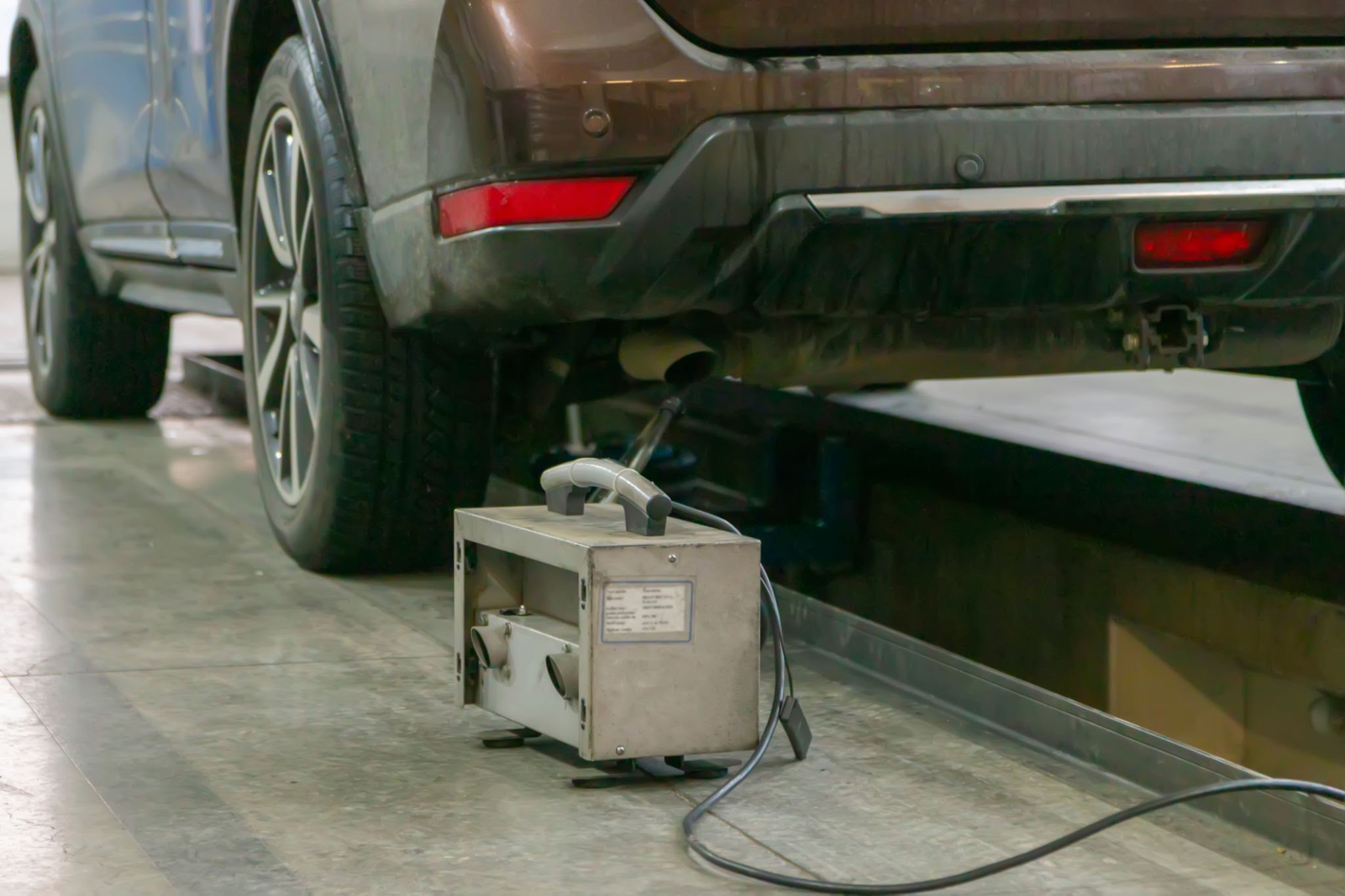
The Indian government has initiated early regulatory and technical consultations to implement Bharat Stage VII (BS VII) vehicle emission standards by 2030. Modeled after Euro 7 guidelines, the upcoming framework introduces stringent limits on non-exhaust particles, real-world driving emissions, and tailpipe pollutants for all newly manufactured internal combustion vehicles.
NEW DELHI — The Government of India has formally initiated foundational preparations for the nationwide rollout of the Bharat Stage VII (BS VII) emission norm, tentatively scheduled for implementation by April 1, 2030. Overseen by the Ministry of Road Transport and Highways (MoRTH), the upcoming regulatory architecture aims to dramatically reduce particulate matter and gaseous output from internal combustion engines. This strategic policy step is designed to bring India's automotive sector into alignment with the European Union's finalized Euro 7 standards, establishing a rigorous decarbonization timeline for commercial and passenger vehicle lines.
Technical Benchmarks and Regulatory Realignment
The planned transition to the BS VII emission norm represents a major shift from the active BS VI Stage 2 framework, which was institutionalized nationwide in 2023. While prior upgrades focused heavily on sulfur reduction in fuels and the integration of on-board diagnostics (OBD) systems, BS VII will introduce sophisticated tracking methodologies to monitor vehicular emissions under real-world conditions.
According to preliminary white papers reviewed by automotive technical committees, the BS VII regulatory framework will broaden the scope of regulated pollutants.
Real Driving Emissions (RDE) Tightening: The acceptable boundary variation between laboratory testing and real-world street driving will be minimized, requiring vehicles to remain compliant across extreme temperature variations and diverse altitudes.
Non-Exhaust Particulate Tracking: For the first time, regulatory compliance will monitor non-exhaust microparticles, specifically targeting brake pad wear emissions and tire-to-road abrasion dust.
Fuel Neutrality Standards: The testing limits for nitrous oxides ($NO_x$) and particulate matter will be unified across both diesel and petrol powertrains, eliminating the historically higher allowances permitted for compression-ignition engines.
Impact on Vehicle Manufacturers and R&D Investments
For the domestic automotive industry, the multi-year notice provides essential lead time to amortize current BS VI production lines while directing capital toward research and development. Representatives from the Society of Indian Automobile Manufacturers (SIAM) indicate that engineering compliance with the BS VII emission norm will require substantial modifications to engine architectures and exhaust after-treatment networks.
Component manufacturers must scale up production of advanced selective catalytic reduction (SCR) units, advanced particulate filters, and highly sensitive, real-time sensor technologies. Industry analysts note that these engineering demands are highly likely to accelerate the consolidation of powertrain catalogs, potentially speeding up the phase-out of small-capacity diesel passenger cars across the Indian market.
Financial and Choices for Consumers and Fleets
The upcoming implementation of the BS VII emission norm will directly alter vehicle purchasing and total cost of ownership dynamics for end consumers and commercial fleet operators.
Historically, upgrading to higher emission tiers involves a mandatory increase in ex-showroom prices due to the cost of secondary catalytic precious metals and software integration. Fleet operators relying on heavy commercial vehicles (HCVs) will face increased capital expenditure demands, though the long-term benefit manifests as significantly lower fuel consumption and improved air quality indicators across primary urban transport corridors.
Official Sources Section
The long-term development of the draft standards is being coordinated through joint working groups featuring specialists from the Ministry of Road Transport and Highways (MoRTH), the Central Pollution Control Board (CPCB), and the Automotive Research Association of India (ARAI). Draft notifications will be placed in the public domain for stakeholder comments before formal gazette finalization.
Quote Section
"According to officials familiar with the preliminary sub-committee discussions in New Delhi, the goal is to prevent any sudden disruptions to industrial supply chains," stated automotive policy analysts tracking the transition. "Organizers stated that by establishing a definitive milestone for 2030, the government is providing component manufacturers and fuel refineries with a clear, predictable investment horizon to upgrade production lines and distribute compliant fuel types simultaneously."
Why It Matters
Vehicular emissions remain a primary contributor to urban air quality challenges across major Indian metropolitan areas. Moving toward the BS VII emission norm allows India to systematically lower its net transport sector emissions while maintaining a competitive manufacturing footprint. By matching the regulatory stringency of mature Western markets, Indian automakers can seamlessly export domestic vehicle platforms to global markets without facing non-tariff regulatory barriers.
Key Facts at a Glance
Target Timeline: The nationwide enforcement of the BS VII emission norm is slated for April 1, 2030.
Global Alignment: The domestic standard is designed to mirror the technical parameters of the European Union's Euro 7 framework.
New Metrics: Introduces mandatory tracking for non-exhaust pollutants, including brake pad dust and tire wear particles.
Powertrain Changes: Imposes fuel-neutral emission limits, standardizing $NO_x$ thresholds across both petrol and diesel engines.
Frequently Asked Questions (FAQ)
What is the difference between BS VI and the upcoming BS VII emission norm?
While BS VI rules optimized fuel chemistry and basic exhaust treatment, the BS VII emission norm enforces stricter real-world driving emissions compliance, introduces tighter limits on nitrous oxides, and systematically regulates non-exhaust pollutants like tire and brake dust for the first time.
Will my current BS IV or BS VI vehicle become illegal to drive after 2030?
No. The introduction of the BS VII emission norm applies exclusively to newly manufactured and registered vehicles sold after the official implementation date. Existing vehicles that complied with the regulations in force at their time of registration can legally continue to operate until the end of their standard registration validity periods.
Will fuel prices increase when BS VII is introduced?
Refining fuel to meet advanced emission standard profiles requires upgrading refinery hydro-treating systems. While oil marketing companies will invest in infrastructure modifications, the exact impact on retail pump pricing will depend on crude oil trading environments and federal tax structures closer to the 2030 rollout.
Source: Ministry of Road Transport and Highways (MoRTH), Society of Indian Automobile Manufacturers (SIAM), Automotive Research Association of India (ARAI) Regulatory Planning Desk.