Six Nations artist Santee Smith has successfully replicated an intricate clay vase designed by her father for the new Obama Presidential Center in Chicago. Discovered to have sat in the actual Oval Office during the Obama administration, the multi-generational piece honors Haudenosaunee artistic traditions and their historical ties to democracy.
Six Nations Artist Recreates Father's Pottery for Obama Center
A surprise request from the Obama Foundation bridges Haudenosaunee artistic lineage with a permanent presidential exhibition in Chicago.
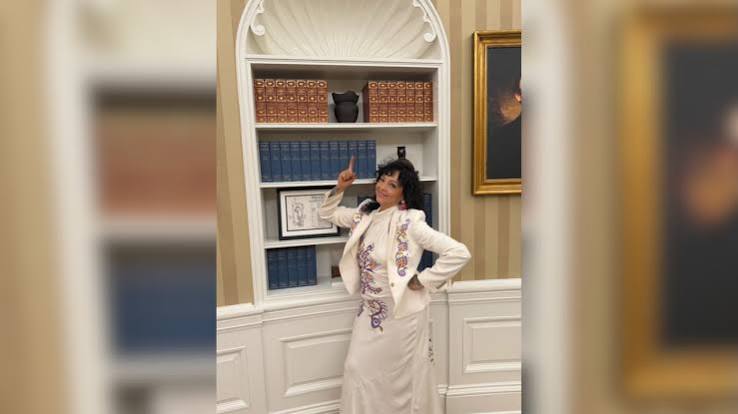
CHICAGO — The Obama Foundation has commissioned Santee Smith, a multidisciplinary Kanienʼkehá:ka (Mohawk) artist from the Six Nations of the Grand River, to replicate a historic piece of Indigenous pottery crafted by her father. The replica has been installed inside the full-scale Oval Office replica at the newly opened Obama Presidential Center in Chicago. The development brings a deeply personal family lineage into the international spotlight, highlighting the historical ties between Haudenosaunee democratic models and the foundation of American governance.
A Surprise Discovery in the Oval Office Exhibit
The artistic assignment materialized unexpectedly when the Obama Foundation contacted Santee Smith—a lifelong potter, choreographer, and former Chancellor of McMaster University—to reproduce a clay vase originally thrown by her father, Steve Smith, in the 1970s.
During the two terms of Barack Obama's presidency, the original vase had been loaned to the White House from the Smithsonian National Museum of the American Indian to decorate the executive office. The Smith family remained entirely unaware that the artwork had stood in the Oval Office until the foundation requested a replica for the museum’s permanent environment following the return of the original to the Smithsonian.
Reviving Multi-Generational Techniques and Clay Recipes
Recreating the piece required Santee Smith to analyze decades-old family techniques and raw material recipes from her childhood. Her family holds an important place in regional art preservation; her grandmother originally revived the lost art of traditional Six Nations pottery during the 1960s by analyzing historical ceramic shards in museums and teaching the methodology to subsequent generations.
Unlike her father, who threw the original vase using a pottery wheel, Smith hand-built multiple versions of the vessel at her Talking Earth studio on Six Nations and within the art studios at the McMaster University Faculty of Humanities. To achieve an authentic finish, she utilized her father's original crafting tools alongside traditional clay and design slips specific to the 1970s era. The completed artifact was safely delivered to the Chicago campus ahead of its official exhibition launch.
Cultural and Educational Impact on Global Visitors
The inclusion of the Haudenosaunee vessel within the presidential archives carries distinct cultural and educational implications for historians, educators, and museum visitors:
Affirmation of Democratic Origins: The pottery designs are encoded with Indigenous knowledge pathways. Smith notes that the placement reflects historical realities, as the early foundational structure of United States democracy drew direct inspiration from the governance systems of the Haudenosaunee Confederacy.
Visibility for Indigenous Arts: Placing a piece from the Six Nations of the Grand River in a high-profile presidential museum elevates global awareness of contemporary and traditional Indigenous art forms.
Institutional Precedent: The collaboration sets a precedent for how major educational centers and presidential libraries approach replication, ensuring that original lineages are honored by hiring descendant artists rather than commercial manufacturers.
Official Sources Section
Details regarding the commission, historic White House loans, and structural installations have been corroborated through project portfolios updated by The Obama Foundation and historical exhibition indices maintained by the Smithsonian National Museum of the American Indian.
Quote Section
"The reason why we have continued to do pottery is because it has that earth, land-based connection and also it's a storytelling tool," stated artist Santee Smith in an official retrospective documenting her replication work.
"According to officials from the presidential center, the artifact was carefully chosen to accurately capture the specific atmosphere and cross-cultural decorative elements that defined the interior landscape of the White House during the administration."
Why It Matters
The integration of this replica underscores a growing institutional commitment to historical accuracy and inclusive representation within national monuments. It demonstrates how modern digital curation can unearth forgotten artistic contributions and reinvest directly in the communities and bloodlines responsible for creating original cultural assets.
Key Facts at a Glance
The Request: Santee Smith received a surprise request to replicate a 1970s clay vase thrown by her father, Steve Smith.
The Destination: The finished replica sits on a bookshelf inside the full-scale Oval Office replica at the Obama Presidential Center in Chicago.
The Origin: The original vase was borrowed from the Smithsonian by the White House during the Obama administration and subsequently returned.
The Process: Built by hand at Talking Earth studio and McMaster University using old family tools and specific 1970s clay slip recipes.
FAQ Section
How did the original pottery end up in the White House? During the presidency of Barack Obama, curators borrowed the original vase made by Steve Smith from the Smithsonian National Museum of the American Indian to decorate the actual Oval Office.
Who is Santee Smith? Santee Smith is a multidisciplinary Kanienʼkehá:ka (Mohawk) artist, dancer, choreographer, and the former chancellor of McMaster University from the Six Nations of the Grand River.
Where can the public view this replicated pottery? The piece is currently on permanent display at the newly opened Obama Presidential Center campus located on the South Side of Chicago.
Source: The Obama Foundation, CBC News, McMaster University Faculty of Humanities