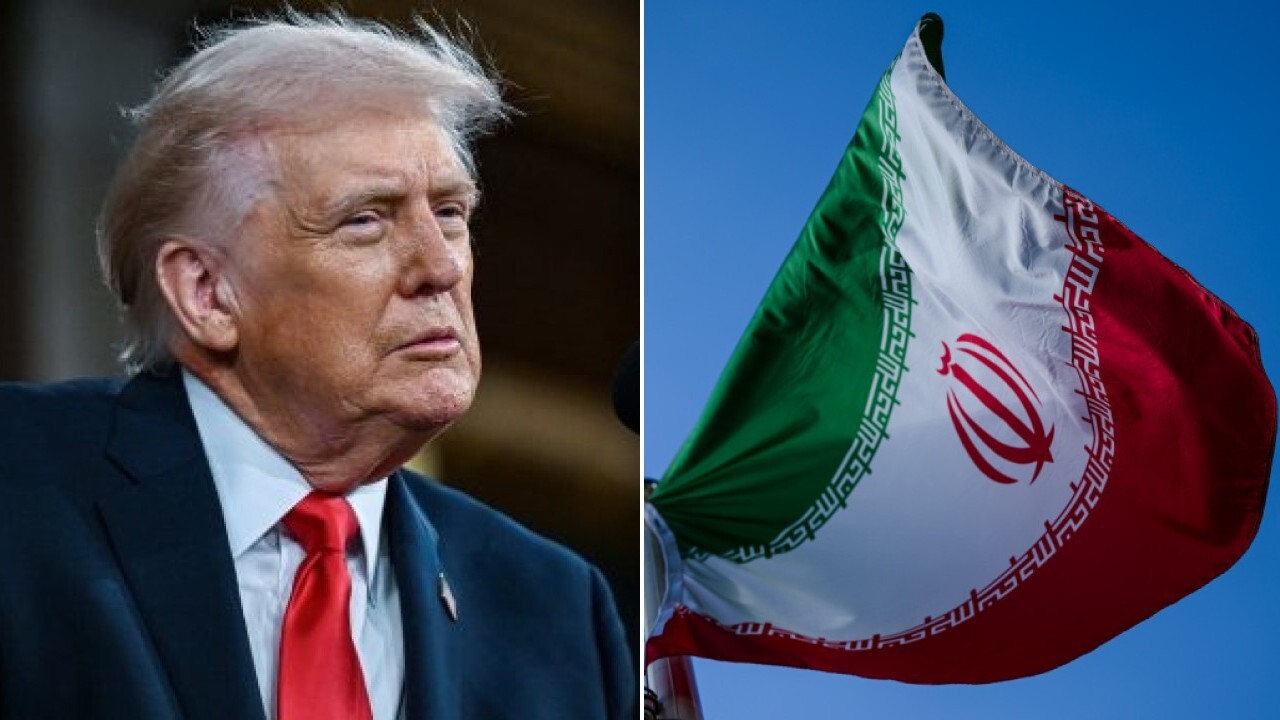
U.S. President Donald Trump has designated maritime transit fees in the Strait of Hormuz as an absolute red line, calling them "unacceptable" in any final peace deal with Iran. While an interim 60-day agreement has temporarily restored shipping volumes, Washington rejects any permanent toll system that could alter global maritime commerce guidelines.
WASHINGTON — U.S. President Donald Trump declared on Wednesday, June 24, 2026, that any final diplomatic agreement with Iran that permits the country to levy fees, tolls, or service charges on international shipping transit through the Strait of Hormuz is "unacceptable" to the United States. Speaking from the White House, Trump asserted that a permanent resolution to the West Asia conflict must guarantee unrestricted, fee-free maritime navigation, warning that allowing such collection would disrupt global trade guidelines.
Presidential Directives and Negotiating Red Lines
The definitive policy position was delivered during an official bilateral meeting at the White House between President Trump and NATO Secretary General Mark Rutte. Reporters asked the President whether he would block or veto a comprehensive final peace accord with Tehran if it contained structural allowances for Iranian-administered maritime tolls in the waterway.
"It would be unacceptable to me," Trump stated, clarifying his administration's position as high-stakes neutral-site talks continue in Switzerland. The President argued that allowing Iran to normalize transit tariffs would set a dangerous legal precedent, potentially prompting other sovereign entities to monetize critical international straits and choke points. "If you did that for them, you'd have to do it for other people... It would be a game changer," Trump added, describing the issue as a non-negotiable parameter for American emissaries.
Context of the Strait Blockade and Interim Frameworks
The dispute over maritime management stems from the intense military escalations that erupted between Washington, Israel, and Tehran in early 2026. Following reciprocal missile strikes, Iran attempted to enforce a naval blockade in the Strait of Hormuz, denying passage to unauthorized vessels and causing severe shocks to international commodity markets.
A temporary Memorandum of Understanding (MOU) brokered last week by regional mediators Pakistan and Qatar successfully initiated a ceasefire across multiple fronts, including Lebanon, and restarted shipping. Under this interim agreement, the U.S. lifted its naval blockade on Iranian ports, and Iran agreed to keep the channel open without charging fees for a 60-day period. However, the text left the long-term administration of the strait ambiguous, indicating that permanent arrangements would be resolved by Iran, Oman, and neighboring Gulf states—a loophole Tehran has attempted to leverage to secure future insurance and maritime service fees.
Economic and Global Security Impact on Markets
The Strait of Hormuz is widely considered the world's most critical energy corridor, serving as the transit route for roughly one-fifth of global petroleum consumption alongside massive volumes of liquefied natural gas (LNG) and fertilizers. The stakes of the current diplomatic dispute directly affect several sectors:
Energy Consumers and Corporate Businesses: Vice President JD Vance confirmed that daily flows through the strait rebounded to 12.5 million barrels this week. However, the introduction of a permanent toll system would permanently increase shipping insurance premiums and freight overheads, driving up retail fuel costs globally.
Maritime Investors and Commuters: Global shipping conglomerates have strongly warned against any settlement that normalizes state-level toll collection in international waters, citing long-term threats to freedom of navigation.
Defense Strategy: The U.S. stance ensures that the American military retains its mandate to protect open sea lanes, keeping regional naval deployments on high alert should the Swiss talks break down.
Official Sources Section
The policy declarations and white-room objectives were confirmed via official White House press updates, public statements from the U.S. Department of State, and official media briefings handled by Pakistani Prime Minister Shehbaz Sharif and Iranian Foreign Minister Abbas Araghchi detailing the draft negotiation guidelines.
Quote Section
"It would be unacceptable to me, because we have numerous strengths, and if you did that for them, you'd have to do it for other people. It would be a game changer," stated President Donald Trump during his press brief alongside the NATO Secretary General.
"According to officials familiar with the Swiss proceedings, the Iranian delegation has insisted that regional security and the administration of the waterway must remain under the exclusive jurisdiction of the littoral Gulf states."
Why It Matters
The explicit rejection of Hormuz transit fees prevents a major shift in international maritime law. If the U.S. compromises on this point, it could inadvertently legitimize the economic monetization of global oceanic bottlenecks, altering international supply lines and creating permanent economic leverage for nations bordering strategic channels.
Key Facts at a Glance
The Conflict Line: President Trump has explicitly banned any long-term shipping or maritime service fees within a final U.S.-Iran treaty.
Current Volume: Despite diplomatic friction, approximately 12.5 million barrels of oil successfully transited the waterway on Wednesday.
The Legal Gap: The active 60-day interim MOU blocks tolls temporarily but defers the permanent management of the strait to future multi-state talks.
Mediation Status: Joint diplomatic teams from Qatar and Pakistan are working to keep negotiators at the table in Switzerland following recent walkouts.
FAQ Section
Why did Iran propose shipping fees in the Strait of Hormuz? Following military encounters with U.S. and Israeli forces, Iran claimed administrative authority over the strait, suggesting that foreign commercial vessels should pay for mandatory insurance policies and service fees to cross the waterway.
What is the status of the current U.S.-Iran agreement? The two nations are currently operating under a 60-day interim Memorandum of Understanding. This framework established a temporary ceasefire, partially lifted sanctions, and opened the strait while permanent terms are debated.
What happens if the 60-day negotiation window expires without a final deal? If negotiations fail, the interim ceasefire and maritime access rules will expire. U.S. officials, including Senator Lindsey Graham, have warned that the U.S. is prepared to secure the Strait of Hormuz by military force if necessary.
Source: White House Press Office, Anadolu Agency, The Times of Israel, The Guardian