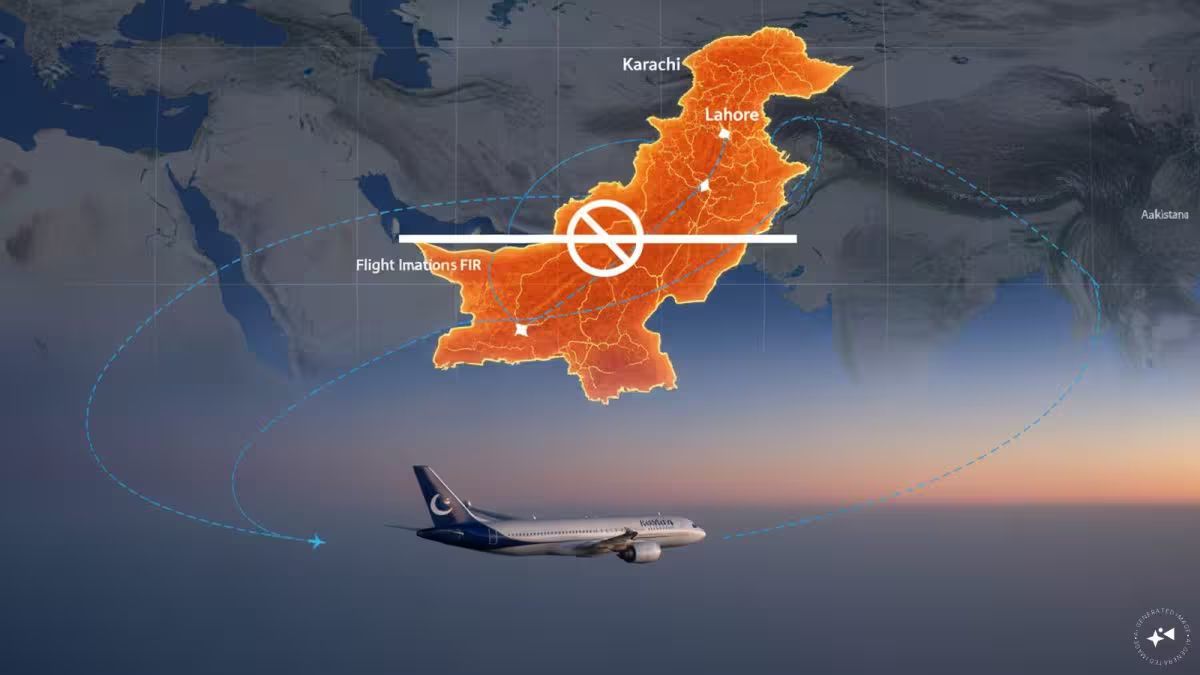
Pakistan has extended its airspace ban on Indian civilian and military aircraft until August 23, 2026. The restriction, in place since April 2025 following heightened tensions over the Pahalgam terror attack, remains reciprocal, with India maintaining a similar ban on Pakistani flights. The extension disrupts regional air travel and transit corridors.
The Pakistan Airports Authority has extended its prohibition on Indian civilian and military aircraft through August 23, 2026, prolonging aviation restrictions that have disrupted regional transit for over a year.
ISLAMABAD — Pakistan has officially extended its ban on the use of its airspace by Indian-registered, operated, and leased aircraft for another month. According to a Notice to Airmen (NOTAM) issued by the Pakistan Airports Authority (PAA) on Saturday, July 18, 2026, the restrictions—which apply to both civilian and military flights—will now remain in effect until 11:59 p.m. on August 23, 2026.
The airspace closure covers both the Karachi (OPKR) and Lahore (OPLR) flight information regions (FIRs), effectively barring Indian aviation from utilizing Pakistani skies.
Context of the Ongoing Aviation Standoff
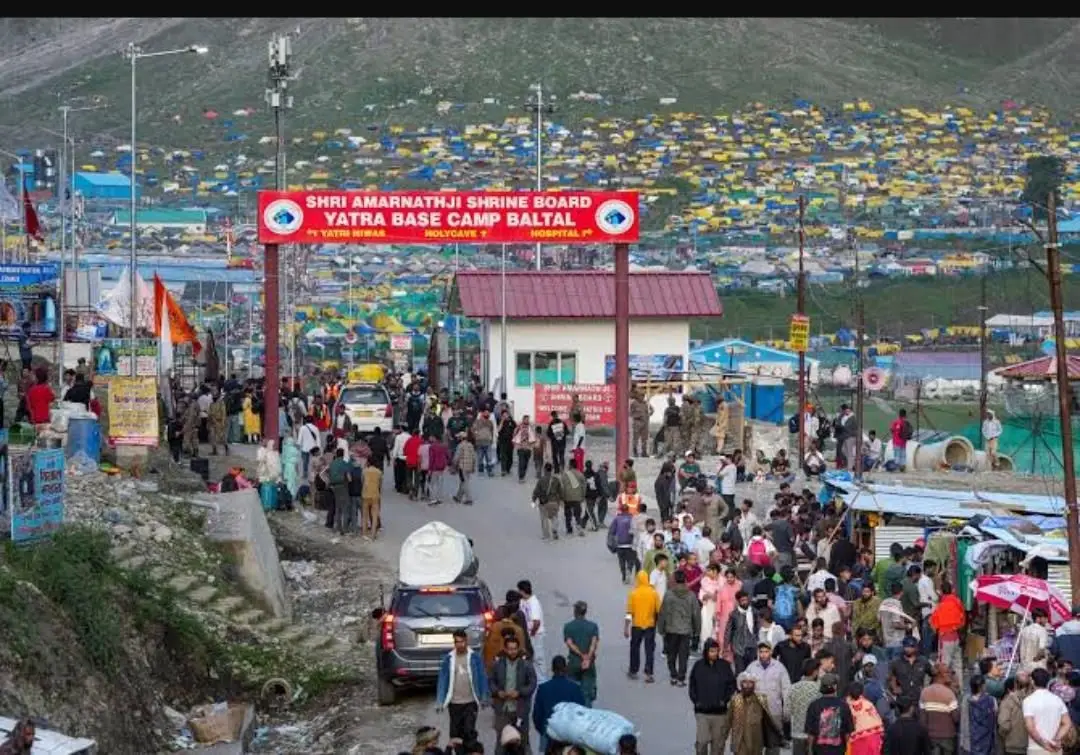
The current airspace restrictions are a legacy of escalating bilateral tensions that began in April 2025, following a deadly terror attack in Pahalgam, Indian-occupied Kashmir, which claimed the lives of 26 people. In the immediate aftermath, both nations implemented reciprocal bans, prohibiting each other's airlines and military aircraft from entering their respective airspaces.
Since the initial implementation of the ban in April 2025, Pakistani authorities have issued monthly extensions, preventing the normalization of air travel between the two nuclear-armed neighbors. India has maintained a matching reciprocal ban on all Pakistani-registered aircraft and operators, viewing the measure as a necessary security response.
Impact on Regional Connectivity
The continued closure of Pakistani airspace has had significant operational and financial repercussions for airlines on both sides of the border. By restricting access to key flight corridors, the ban has forced carriers to adopt longer, more fuel-intensive routes, leading to increased operational costs and extended travel times for passengers.
Why It Matters
The extension of these aviation curbs underscores the persistent diplomatic and security stalemate between New Delhi and Islamabad. For travelers, the lack of a resolution means continued disruptions to regional flight paths, while for businesses and airlines, it signals a prolonged period of operational inefficiency. The inability of both nations to reach a de-escalatory agreement on civil aviation highlights the depth of the current geopolitical rift.
Key Facts at a Glance
New Deadline: August 23, 2026 (11:59 p.m.).
Scope of Ban: Prohibits Indian-registered, owned, operated, or leased civilian and military aircraft.
Affected Regions: Both Karachi and Lahore Flight Information Regions (FIRs).
Origin of Conflict: Reciprocal restrictions began in April 2025 following the Pahalgam terror attack.
Frequently Asked Questions
Q: Why was the airspace ban extended?
A: Pakistan has been extending the restriction on a monthly basis since April 2025 as part of the ongoing bilateral tensions following the Pahalgam terror attack.
Q: Does the ban apply to all Indian aircraft?
A: Yes, the NOTAM specifies that the airspace is unavailable for all Indian-registered, operated, or leased civilian and military aircraft.
Q: Is India’s airspace open to Pakistani flights?
A: No, India maintains a reciprocal ban on all Pakistani-registered aircraft, airlines, and military flights as part of its own security measures.
Source: Dawn, The New Indian Express, Economic Times, UNI India