The Central Board of Secondary Education (CBSE) has declared the Class 10 second board exam results for 2026, revealing that 59.95% of improvement candidates successfully raised their scores. This NEP 2020 aligned dual-exam model successfully elevated the country's consolidated annual pass percentage to 96.78%.
The newly implemented two-board system under NEP 2020 has successfully raised the overall pass percentage to 96.78%, giving lakhs of students a critical academic lifeline.
NEW DELHI — The Central Board of Secondary Education (CBSE) officially declared the CBSE Class 10 2nd Board Exam Results on Saturday, July 18, 2026, marking a historic milestone in India's school education system. Implemented for the first time in accordance with the National Education Policy (NEP) 2020, this second edition of the board exams has allowed hundreds of thousands of students across the nation and overseas to improve their academic standing within the same academic cycle. Today’s declaration is critically important as it concludes a highly anticipated evaluation cycle, validating the government's dual-exam strategy by showing that a clear majority of candidates successfully enhanced their final scores.
Statistical Breakthrough in Student Performance
Following the declaration of the CBSE Class 10 2nd Board Exam Results, official data released by the board revealed a significant upward trend in student advancement. Out of the 6,64,027 candidates who registered for this secondary evaluation cycle, a total of 6,63,777 students actually appeared for the examinations conducted between May 15 and May 21, 2026. The data showcases the measurable impact of the alternative testing opportunity, particularly for those seeking score optimization.
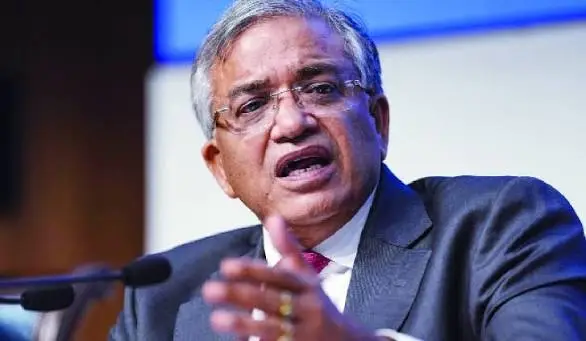
According to statements released by CBSE Examination Controller Sanyam Bhardwaj, more than 5.13 lakh students opted to take the examination specifically under the improvement category. Of these, exactly 3,08,095 candidates—amounting to 59.95 percent—successfully raised their marks compared to their performance in the main spring assessments. Furthermore, the compartment segment saw 1,49,822 students appearing, with 78,503 individuals clearing their papers to secure a 52.40 percent pass rate in that specific category. This cumulative performance has elevated the consolidated nationwide pass percentage for the academic year to a robust 96.78 percent, up from the 93.6 percent recorded at the end of the first round.
The NEP 2020 Paradigm Shift
The publication of the CBSE Class 10 2nd Board Exam Results validates the structural shift envisioned by the Union Ministry of Education through the National Education Policy (NEP) 2020. Traditionally, Indian school boards subjected tenth-grade students to a single, final examination between February and March. Under the new guidelines formalized for the 2026 academic calendar, the primary examination took place from February 17 to March 11, 2026, while the secondary session provided an optional window just two months later.
The operational core of this reform relies on a student-friendly "best-of-two" marks policy. Under these guidelines, regular students face no penalty or risk of score deterioration; the board automatically preserves the higher grade achieved between the two independent exam blocks. Education analysts note that this mechanism shifts the academic focus away from rote memorization and the psychological fear of a singular failure, cultivating a more balanced approach toward long-term learning and concept retention.
Broader Impact on Students, Parents, and Institutions
The immediate effects of the second board results are felt most acutely across the secondary school ecosystem. For weeks, tens of thousands of parents and students voiced anxiety on social media platforms due to the nearly 50-day processing interval following the conclusion of the May exams. The delay had threatened to disrupt subsequent stream allocations, provisional Class 11 enrollments, and institutional transitions.
With the verified data now published, schools can seamlessly finalize internal admissions for senior secondary streams—such as Science, Commerce, and Humanities. Moreover, the improved scoring percentages carry practical advantages for students seeking competitive institutional cut-offs, direct merit scholarships, and future eligibility for specialized engineering or medical entry pathways. For working-class families, the policy removes the severe financial and psychological burdens associated with a student repeating an entire academic year. Regional variations also flattened during this round, as students from northern and central sectors utilized the secondary window to narrow the performance gap with historically high-performing zones like Trivandrum and Vijayawada.
Accessing Academic Portals and Digital Credentials
Following the release of the CBSE Class 10 2nd Board Exam Results, the board directed all institutional heads and individual private candidates to secure their credentials through official electronic systems. The primary repository for immediate score acquisition is the DigiLocker Results Portal, operated securely under federal digital infrastructure guidelines.
For regular students enrolled in domestic and international CBSE-affiliated schools, the institution-wise results will be simultaneously transmitted to registered school administration email addresses. While digital copies hold equal legal weight under IT regulations, physical Mark Sheet-cum-Passing Certificates will be systematically dispatched to schools for local distribution, whereas private candidates will receive theirs via registered mail.
Why It Matters
The practical implications of this assessment model extend far beyond individual report cards. By demonstrating that nearly 60 percent of participating candidates can actively elevate their marks when provided a secondary opportunity, the CBSE framework establishes a successful template for other state-level education boards across India. It actively reduces the acute psychological stress typically associated with Indian board exams and directly optimizes human capital development by converting potential academic failures into confirmed secondary graduates.
Key Facts at a Glance
Historic Milestone: This marks the first full execution of the dual-board examination system under the recommendations of the National Education Policy (NEP) 2020.
Significant Upward Adjustments: Out of 5.13 lakh improvement candidates, 59.95 percent successfully increased their final grades.
Elevated Pass Metric: The combined outcome of both exam cycles pushed the final consolidated Class 10 pass percentage to 96.78 percent.
Secure Digital Logistics: Marksheets and provisional passing certificates are immediately available for verification via the official DigiLocker portal.
FAQ
When were the CBSE Class 10 2nd Board Exam Results declared?
The results were formally announced and uploaded to digital portals on Saturday, July 18, 2026.
How does the "best-of-two" policy operate for improvement candidates?
The board automatically evaluates the scores from both the main exam and the second exam, incorporating the higher mark into the student's final permanent marksheet without any risk of downgrading.
Where can students access their official scorecards?
Students can securely view and download their digital marksheets by entering their credentials on the DigiLocker Results Portal.
What happens to students who did not clear the compartment section?
Candidates who were unable to meet the minimum 33 percent qualifying criteria in the compartment category will need to follow subsequent CBSE guidelines for subsequent academic re-entry or remedial cycles.
Source: Central Board of Secondary Education, DigiLocker Results Portal, Ministry of Education