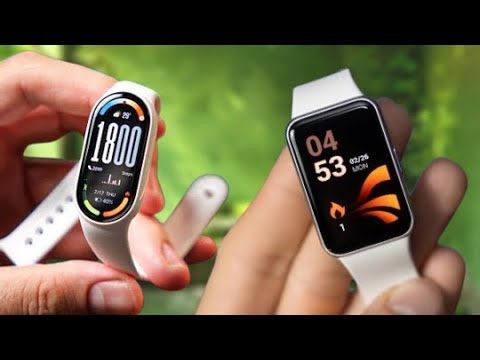
As wearable technology evolves, consumers face a growing choice between multi-feature smartwatches and streamlined fitness bands. Industry reports from August 2026 reveal that while smartwatches offer advanced communication tools, fitness bands continue to dominate in battery life, continuous sleep tracking, lightweight comfort, and affordability, making them ideal for health-focused users.
As wearable technology advances, industry reports highlight why lightweight fitness bands continue to rival feature-heavy smartwatches for everyday health tracking.
For years, selecting a wrist-worn wearable meant choosing between basic step counters and expensive, multi-functional mini-computers. According to consumer technology analyses and market reviews published by Mint in August 2026, the ongoing debate between fitness bands and smartwatches has intensified. While smartwatches integrate communication tools, third-party apps, and cellular connectivity, modern fitness bands have evolved to offer targeted health metrics, exceptional battery longevity, and lightweight comfort at a fraction of the cost. This shift forces tech consumers to reevaluate whether paying a premium for a smartwatch matches their actual daily needs.
Evaluating Features: Fitness Bands vs. Modern Smartwatches
Consumer electronics data indicates that both wearable categories cater to distinct user lifestyles. Rather than one device completely replacing the other, the choice depends heavily on individual priorities regarding battery maintenance, screen real estate, and physical activity tracking.
Key comparative factors highlighted by industry analysts include:
Battery Longevity: While most feature-packed smartwatches require daily or alternate-day charging, modern fitness bands comfortably last between one to three weeks on a single charge.
Physical Comfort and Wearability: Designed with slim profiles and minimal weight, fitness bands remain comfortable during intensive sleep tracking and rigorous workouts where bulky watch cases might catch or irritate.
Cost Efficiency: Fitness bands deliver essential metrics—such as heart rate monitoring, sleep staging, and step counts—without the inflated price tags associated with high-end smartwatches.
Connectivity and Apps: Smartwatches excel for users requiring direct call handling, on-wrist text replies, offline music storage, and advanced standalone GPS navigation.
Impact on Consumers and Everyday Tech Buyers
For budget-conscious consumers and fitness enthusiasts, choosing a streamlined tracker prevents unnecessary spending on complex notification systems that often go underutilized. Conversely, professionals and outdoor adventurers who rely on real-time transit alerts, detailed topographical mapping, and quick communication find greater utility in advanced smartwatches. Tech market analysts note that understanding these core differences helps buyers avoid purchasing redundant technology.
Why It Matters
Investing in the correct wearable device directly impacts daily health habits and personal productivity. Recognizing that high-end features do not automatically equal better value enables consumers to choose tools that align with their personal wellness routines without unnecessary financial strain.
Key Facts at a Glance
Core Debate: Choosing between feature-rich smartwatches and streamlined fitness bands.
Battery Advantage: Fitness bands typically run for 7 to 21 days between charges.
Price Disparity: Fitness bands generally range from economical entry points up to mid-tier budgets, while premium smartwatches command significantly higher costs.
Primary Focus: Fitness bands prioritize uninterrupted health tracking, sleep monitoring, and physical comfort.
FAQ Section
Why do people still choose fitness bands over smartwatches?
Fitness bands offer superior battery life, lighter physical comfort for 24/7 wear, and essential health monitoring at a fraction of a smartwatch's cost.
Do fitness bands track sleep and heart rate accurately?
Yes, modern fitness bands include sophisticated optical sensors that monitor heart rate, blood oxygen levels, and detailed sleep cycles reliably.
When should a consumer choose a smartwatch instead?
A smartwatch is recommended if you need direct call handling, messaging capabilities, third-party app installations, and standalone GPS navigation.
Where can readers explore detailed wearable comparisons?
Complete breakdowns and market analyses are accessible via Mint Gadgets and Bajaj Finance Tech Insights.
Source: Mint, Bajaj Finance