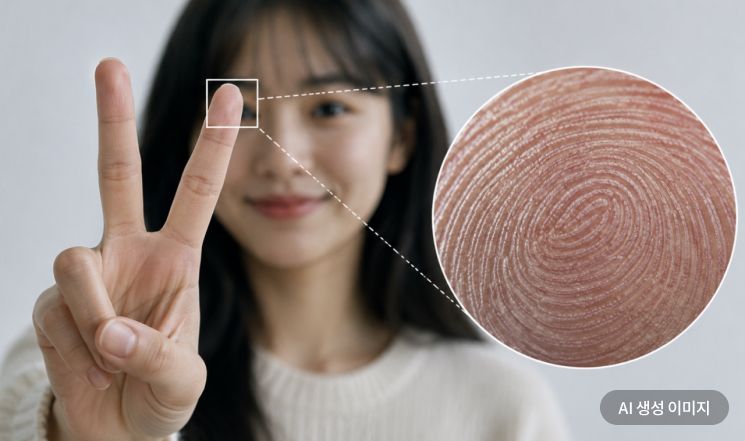
Cybersecurity experts are warning that modern AI tools can now extract surprisingly detailed fingerprints from everyday photos, especially high resolution selfies where people flash the familiar V sign. Demonstrations by Chinese security researchers show that these reconstructed prints could in theory be used for identity theft, biometric fraud and unauthorised access to secure systems.
A casual pose at a concert or cricket match may be revealing more than just your good side. As camera sensors get sharper and AI image enhancement more powerful, security professionals say that visible finger pads in photos are becoming a new attack surface. A recent Times Now report, drawing on demonstrations in East Asia, underlines why experts want people to think twice before posting ultra clear hand shots online.
How Ai Extracts Fingerprints From Photos
In a Chinese workplace reality show cited by South China Morning Post, security expert Li Chang used a celebrity selfie to show how AI enhancement can recover fingerprint ridge patterns from an apparently harmless peace sign.
Li explained that if the pads of the fingers face the camera within about 1.5 metres, there is a high possibility of extracting relatively clear fingerprint data and even images taken from 1.5 to 3 metres away can reveal around half of the pattern.
Why Experts Are Worried
Unlike passwords, fingerprints are permanent once compromised; you cannot simply change them and move on.
Researchers warn that stolen or reconstructed fingerprint data could be used in attempts to spoof biometric sensors on phones, laptops, smart locks, banking apps or workplace access systems, raising the stakes far beyond basic social media privacy.
Early Cases And Practical Limits
Local media in China reported that in 2025 a group of criminals in Hangzhou allegedly tried to unlock a smart door lock using a hand photo previously shared online by the homeowner.
Experts caution however that not every selfie is dangerous; successful extraction depends on lighting, focus, shooting distance and image resolution, and current attacks require significant skill and effort rather than being trivial for casual scammers.
Small Changes To Photo Habits
Security specialists are not calling for a ban on selfies but suggest simple precautions like avoiding close up photos that show clear finger pads directed straight at the lens.
Other tips include lowering the resolution of publicly shared images, limiting hand sign photos on open profiles, and being cautious about storing fingerprints in devices or services you do not fully trust.
Smart Privacy Insights
- Modern AI enhancement tools can reconstruct fingerprint patterns from high resolution photos where fingers are clearly visible within about 1.5 metres
- Security demonstrations using peace sign selfies show that even images taken up to 3 metres away may reveal roughly half of fingerprint details
- Biometric theft is harder to fix than password leaks because fingerprints cannot be changed and can be used to target phone, door lock or payment authentication systems
- Experts recommend limiting crystal clear hand sign photos, reducing public image quality and being selective about where you register your fingerprint data to reduce long term risk
Sources: Times Now, Strait Times