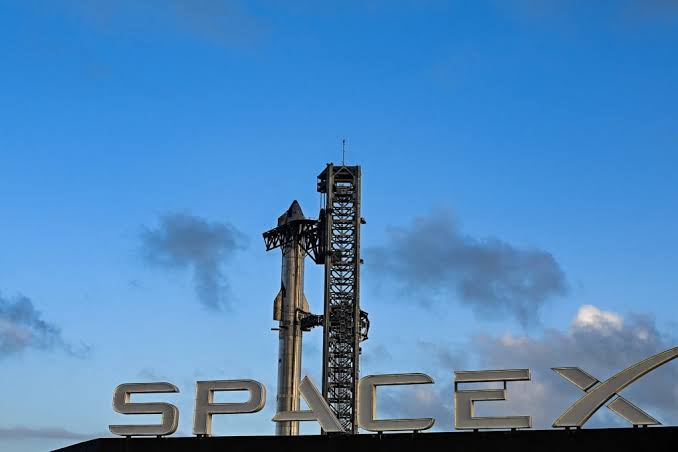
SpaceX conducted the 13th test flight of its Starship rocket on July 23, 2026, testing heat shield sensors and Starlink V3 satellite deployment. This mission serves as a critical performance indicator for investors following the company’s June 2026 IPO, with the firm's first public earnings report expected in early August.
BROWNSVILLE, Texas – SpaceX successfully initiated the thirteenth flight test of its Starship mega-rocket on Thursday, July 23, 2026, marking a pivotal moment for the firm as it balances intense engineering demands with the expectations of public shareholders. The test flight, which lifted off from the company’s Starbase facility in South Texas, aimed to refine the vehicle’s heat shield technology and demonstrate the first-ever deployment of next-generation Starlink V3 satellites from the Starship platform.
The mission, which occurred during a 90-minute launch window beginning at 5:45 p.m. Central Time, sought to build upon technical data gathered during previous missions. Following SpaceX’s historic initial public offering (IPO) in June 2026, the success of such developmental tests has taken on added significance for the company’s massive investor base, who are closely monitoring the operational viability of the Starship architecture.
Engineering Objectives and Satellite Deployment
The primary objectives for the thirteenth flight test focused on hardware modifications designed to address previous engine reliability concerns and heat shield vulnerabilities. According to company documentation, the Super Heavy booster was equipped with updated engine alarms and abort logic to better respond to the high-stress conditions inherent in multi-engine flight.
A notable feature of this mission was the debut of 20 Starlink V3 satellites. These units were designed to extend solar arrays and antennas while in space, attempting to connect with the existing Starlink constellation via high-capacity lasers. Furthermore, to improve future landing precision, SpaceX modified several satellites with specialized camera suites tasked with capturing high-definition imagery of the Starship heat shield during transit. In a test of durability, some of the vehicle's thermal tiles were intentionally painted white to simulate missing hardware, allowing engineers to calibrate sensors that measure dynamic pressure during ascent.
Post-IPO Investor Landscape
This launch is the first high-profile demonstration since SpaceX completed its IPO on June 12, 2026, under the ticker symbol SPCX. The company, now valued at approximately $1.6 trillion, has seen significant market volatility as it prepares for its first earnings report as a public entity, scheduled for August 4, 2026.
Market analysts note that the company’s dual-class share structure—which keeps voting control largely in the hands of CEO Elon Musk—has remained a focal point for institutional investors. With a substantial tranche of pre-IPO shares set to become eligible for sale in August, the performance and reliability of the Starship program are being viewed as essential indicators of the company’s long-term growth potential and its ability to justify its current market valuation.
Official Sources
According to SpaceX mission briefings and flight test timelines, the company emphasizes that all developmental tests are dynamic. The organization regularly updates its stakeholders via its official X account and its primary web portal. Data regarding the company’s financial transition and IPO structure is derived from Nasdaq market filings and historical prospectuses disclosed during the June 2026 public debut.
Why It Matters
The integration of Starship into commercial service is the cornerstone of SpaceX’s long-term financial strategy. By lowering the cost per kilogram to orbit and expanding the capacity of the Starlink satellite network, the company aims to support its broader goals, including lunar and Martian exploration. For shareholders, each successful flight test provides a tangible metric for the company's progress, directly influencing investor confidence as the stock navigates its initial period of public trading.
Key Facts at a Glance
Flight Mission: Thirteenth test flight of the Starship and Super Heavy vehicle.
Satellite Payload: Successfully deployed 20 next-generation Starlink V3 satellites for initial orbital connectivity testing.
Market Context: SpaceX is currently trading on the Nasdaq as SPCX, following its June 12, 2026, IPO.
Upcoming Financials: The company is slated to deliver its inaugural earnings report as a public company on August 4, 2026.
FAQ
Why is this Starship test significant for investors?
As a publicly traded company, SpaceX’s market value is tied to its operational milestones. Successful flight tests confirm the viability of the hardware necessary to scale its launch and satellite internet services.
Are these satellites permanent?
No, the Starlink V3 satellites deployed in this test are on a suborbital trajectory and are intended for demonstration purposes, with plans for them to demise upon reentry approximately 20 minutes after deployment.
Where can the public view mission data?
SpaceX provides live webcasts and mission updates via its official website and its profile on the X platform.
Source: SpaceX, Nasdaq, Broadband Breakfast, The Motley Fool.