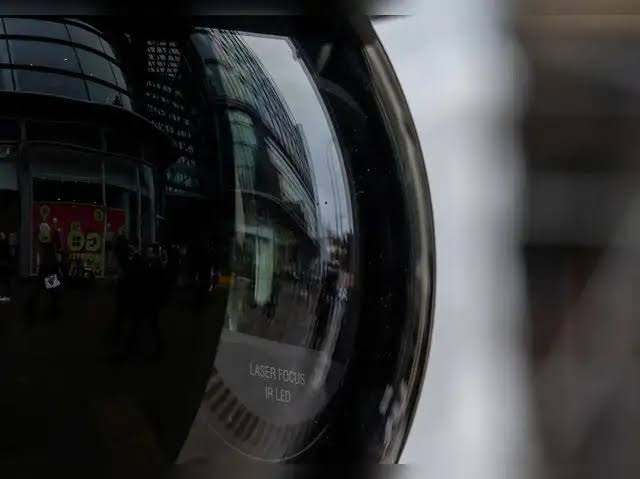
Legal experts and activists warn that the use of Live Facial Recognition (LFR) at protests lacks specific legislative authorization, relying instead on broad police policy. While the UK High Court upheld the Metropolitan Police's use of the technology in April 2026, the debate continues over the threat to privacy and assembly rights.
LONDON – The deployment of Live Facial Recognition (LFR) technology by police remains a flashpoint for legal debate, with critics contending that the absence of specific legislation authorizing its use at protests threatens democratic freedoms. Despite a recent High Court ruling that validated the Metropolitan Police’s LFR policy, legal experts and civil liberties groups continue to raise concerns over the broad discretion afforded to officers in surveilling public gatherings.
The controversy centers on whether LFR, which scans the biometrics of passers-by in real-time, is being deployed within a sufficiently constrained legal framework. While the High Court concluded in April 2026 that the Metropolitan Police’s current policy complies with human rights law, opponents maintain that the lack of a bespoke law regulating LFR in protest settings creates a risk of mass surveillance.
High Court Ruling and Ongoing Legal Friction
The landmark legal challenge, brought by Big Brother Watch director Silkie Carlo and campaigner Shaun Thompson, was dismissed by the High Court. The court found that the Metropolitan Police’s "Overt LFR Policy Document" provides adequate safeguards, including mandatory proportionality assessments and oversight structures. The judges ruled that the policy is "in accordance with the law" and sufficiently addresses risks to Article 8 (privacy) and Articles 10 and 11 (freedom of expression and assembly) of the European Convention on Human Rights (ECHR).
However, the legal struggle has not ceased. Critics argue that the existing policy allows police to deploy LFR in broad "crime hotspots" and at public events based on intelligence, a framework they claim is so permissive that it lacks meaningful limitations. For protesters, the primary concern is the "chilling effect" the technology may have on lawful assembly, as individuals may avoid participating in demonstrations to escape biometric scanning.
The Push for Legislative Clarity
Legal experts emphasize that while the courts have deemed the current policy lawful, judicial approval is not a substitute for explicit parliamentary authorization. By relying on internal police policies rather than specific legislation, the use of LFR remains subject to executive discretion rather than statutory limits.
Civil liberties advocates point to the significant rise in LFR deployment as evidence of "mission creep." Metropolitan Police records show LFR was used 180 times in 2024 and 231 times in 2025, with millions of faces scanned annually. Supporters of the technology, including the Metropolitan Police Commissioner, argue that it is a proven tool for catching violent offenders and protecting the public, and that the courts have confirmed it is being used responsibly.
Official Sources
The legal standing of LFR deployment is documented in the High Court judgment The King (On the Application of Shaun Thompson and Silkie Carlo) v. Commissioner of Police (April 2026). Additional performance data and policy justifications were provided by the Metropolitan Police Service.
Quote Section
According to officials, the technology "only locates specifically wanted people" and is a critical breakthrough for public safety. Conversely, legal observers and campaigners argue that without a specific law, the technology’s deployment "reverses the presumption of innocence" and threatens to turn the capital into a "panopticon."
Why It Matters
The reliance on police policy rather than statute means that the threshold for deploying LFR is set by the authorities themselves. This has significant implications for citizens, as it establishes a precedent where intrusive biometric surveillance can expand across public spaces—including protest routes—without a direct vote or legislative debate in Parliament.
Key Facts at a Glance
Legal Status: The High Court ruled in April 2026 that the Metropolitan Police’s LFR policy complies with human rights law.
Deployment Frequency: LFR use has increased sharply, reaching 231 deployments in 2025 alone.
Scope of Technology: Cameras scan public spaces to match faces against police watchlists in real-time.
Contention: Critics argue the policy lacks specific legislative authorization, leading to overly broad deployment in protest and public settings.
FAQ
Is live facial recognition currently legal in the UK?
Yes. In April 2026, the High Court upheld the Metropolitan Police’s LFR policy, stating it operates with adequate safeguards and complies with the European Convention on Human Rights.
Are there laws specifically for LFR at protests?
There is no specific law authorizing LFR; its use is governed by internal police policies and general legal principles regarding policing and public order.
What are the main privacy concerns?
Critics argue that mass biometric scanning of innocent people—often without their knowledge or consent—infringes on privacy and creates a "chilling effect" on freedom of assembly.
Source: Metropolitan Police, Big Brother Watch, SCC Online