In the ever-evolving landscape of health-conscious eating, two beloved staples from South Indian cuisine—tomato rasam and sambar—are now being compared not just for taste but for their weight loss potential. As fitness enthusiasts and nutritionists revisit traditional diets for metabo...
In the ever-evolving landscape of health-conscious eating, two beloved staples from South Indian cuisine—tomato rasam and sambar—are now being compared not just for taste but for their weight loss potential. As fitness enthusiasts and nutritionists revisit traditional diets for metabolic benefits, the spotlight is on which of these tangy, spice-laden dishes offers a faster route to shedding kilos.
Both rasam and sambar are low-calorie, nutrient-rich, and packed with antioxidants. But recent dietary analyses suggest that tomato rasam may have a slight edge when it comes to accelerating weight loss, thanks to its leaner composition and digestive properties.
Key Highlights From The Nutritional Comparison
- Tomato rasam contains fewer calories and less fat than sambar
- Rasam’s high water content and spices aid digestion and metabolism
- Sambar offers more protein and fiber due to lentils and vegetables
- Rasam is often consumed as a soup or broth, making it ideal for calorie control
- Both dishes are rich in antioxidants, but rasam’s tamarind and pepper boost thermogenesis
Tomato Rasam: The Metabolic Booster
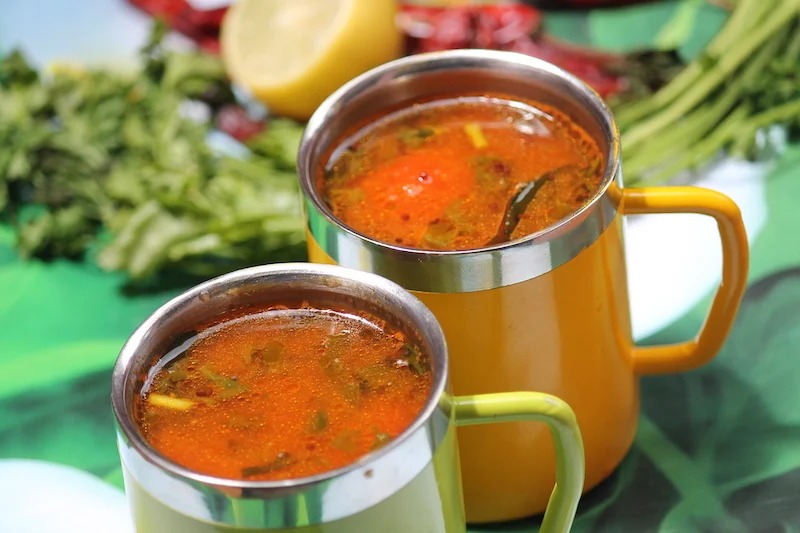
Tomato rasam is a thin, soupy preparation made with tomatoes, tamarind, black pepper, cumin, garlic, and curry leaves. It is typically served as a starter or alongside rice but is increasingly consumed as a standalone broth in weight loss diets.
Benefits of tomato rasam include:
- Low calorie count, typically under 60 kcal per serving
- High water content promotes satiety without adding bulk
- Black pepper and cumin stimulate digestive enzymes and thermogenesis
- Tamarind aids in bile production and fat breakdown
- Garlic and curry leaves offer anti-inflammatory and detoxifying effects
Rasam’s simplicity and spice profile make it a favorite among those following intermittent fasting, detox plans, or calorie-restricted regimens. It is also easy to digest and can be consumed multiple times a day without bloating or heaviness.
Sambar: The Nutrient-Dense Contender
Sambar is a thicker lentil-based stew made with toor dal, tamarind, assorted vegetables, and a spice blend that includes coriander, fenugreek, mustard seeds, and red chilies. It is traditionally paired with rice, idli, or dosa and is a staple in South Indian households.
Benefits of sambar include:
- Rich in plant-based protein from lentils
- High dietary fiber from vegetables like drumstick, pumpkin, and carrots
- Contains essential minerals like potassium, iron, and magnesium
- Supports gut health and blood sugar regulation
- Offers sustained energy due to its complex carbohydrate profile
While sambar is more filling and nutritionally dense, its calorie count ranges from 120 to 180 kcal per serving, depending on oil and dal quantity. For weight loss, portion control and minimal oil usage are key to making sambar a viable option.
Expert Take And Dietary Recommendations
Nutritionists suggest that both dishes can be part of a balanced weight loss plan, but tomato rasam may be more effective for those seeking rapid results or managing calorie intake tightly.
Recommendations include:
- Use rasam as a mid-meal or pre-dinner soup to curb appetite
- Opt for sambar with millet or brown rice for a fiber-rich main course
- Avoid tempering with excess oil or ghee in both preparations
- Incorporate seasonal vegetables and herbs to enhance micronutrient value
- Alternate between rasam and sambar to maintain variety and nutritional balance
Cultural Relevance And Modern Adaptations
The resurgence of rasam and sambar in wellness circles reflects a broader trend of rediscovering traditional Indian foods for their functional benefits. Chefs and home cooks are now experimenting with low-sodium versions, millet pairings, and vegan adaptations to suit modern dietary needs.
Sources: The Hindu Wellness Desk, Indian Dietetic Association, Times Food Nutrition Column.