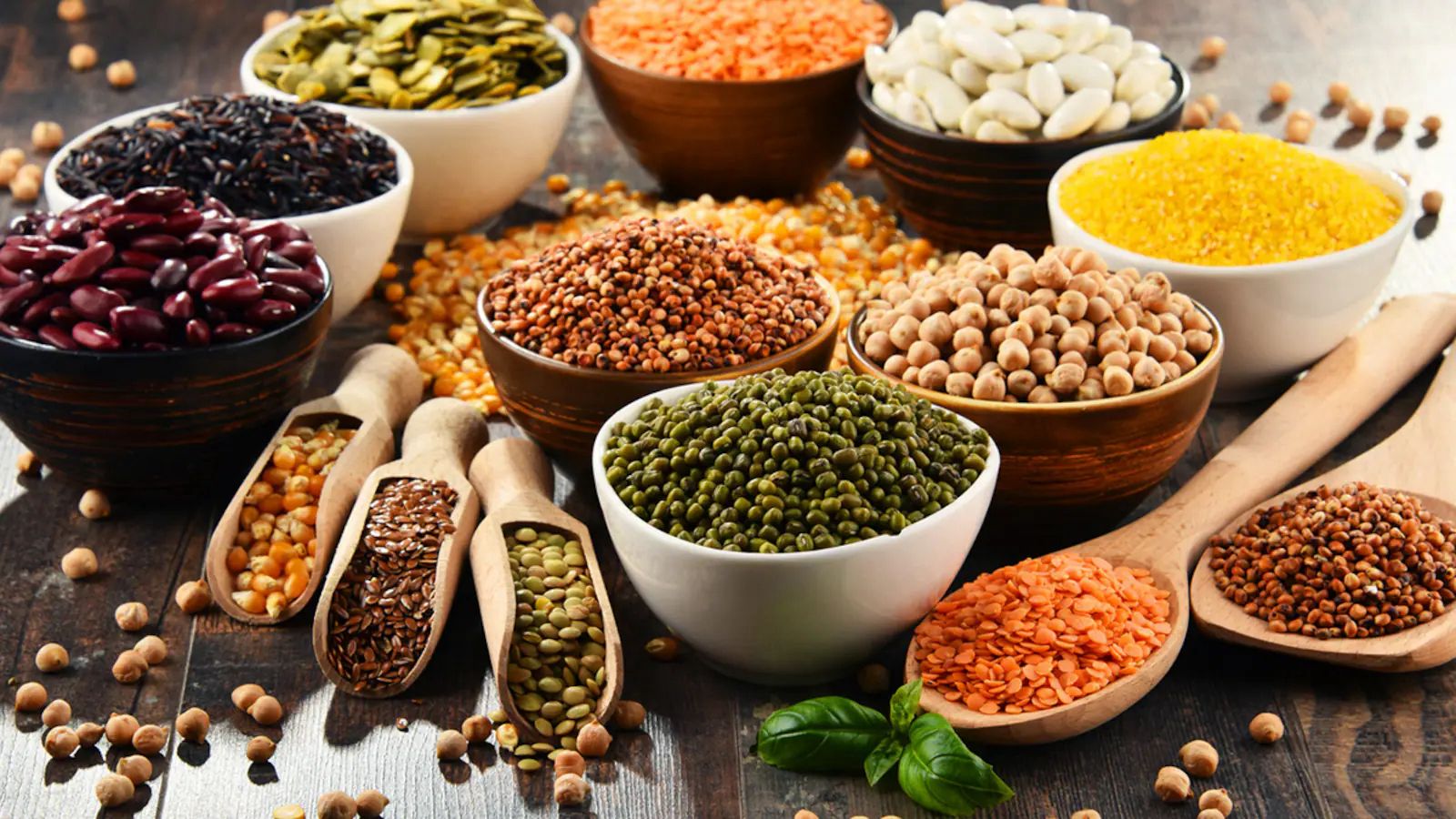
Indian agricultural scientists are deploying advanced genome-editing tools to tackle persistent domestic shortages in pulses and oilseeds. Amid heavy reliance on edible oil imports, multi-institutional research programs aim to enhance yield stability, pest resistance, and stress tolerance in staple crops to strengthen national food security.
Agricultural research institutions deploy precision biotechnology platforms to enhance domestic crop resilience, targeting critical supply gaps in edible oils and pulses.
Facing persistent structural deficits in domestic edible oil and pulse production, Indian agricultural scientists are increasingly turning to advanced biotechnology. According to reports published by NDTV on August 3, 2026, specialized genome-editing applications are being directed toward high-priority crops to address critical food supply gaps. With India currently importing a substantial share of its annual edible oil consumption, the deployment of precision molecular breeding tools aims to accelerate the development of high-yielding, climate-resilient varieties without introducing foreign genetic material.
Strategic Focus on Oilseeds and Pulses
While early regulatory milestones focused primarily on staple cereals, current research pipelines prioritize crops where domestic supply falls significantly short of demand. Edible oil consumption relies heavily on overseas imports, prompting national research agencies to utilize targeted genetic modifications to improve seed quality, oil content, and overall crop architecture.
Key focus areas of the ongoing research initiatives include:
Precision Molecular Techniques: Utilizing advanced gene-editing tools that function like enhanced classical breeding at the molecular level without incorporating foreign genes.
Yield Stability Under Stress: Enhancing tolerance against heat waves, erratic monsoon patterns, and soil salinity across rain-fed agricultural zones.
Oil Quality Improvement: Fine-tuning metabolic pathways in oilseed lines to elevate nutritional profiles and extraction efficiency.
Public Acceptability: Because gene editing avoids transgenic foreign DNA insertions, the technology faces fewer public hurdles than traditional Genetically Modified Organisms (GMOs).
Impact on Consumers, Farmers, and National Economy
For smallholder farmers, adopting precision-edited seed varieties offers protection against climate-induced yield losses while securing better economic returns on existing arable land. For consumers, boosting local output of pulses and edible oils helps mitigate inflationary pressures driven by international supply chain volatility. Economically, reducing dependency on imported vegetable oils strengthens national food security and curtails the heavy foreign exchange burden associated with agricultural imports.
Why It Matters
As climate variability threatens traditional farming yields, relying solely on conventional breeding methods is insufficient to meet projected nutritional demands. Harnessing precision gene-editing tools provides a safe, rapid pathway to secure self-sufficiency in essential commodities like pulses and edible oils.
Key Facts at a Glance
Core Objective: Mitigating domestic shortages in pulses and edible oils.
Technology: Precision genome editing operating at the molecular level.
Genetic Distinction: Does not introduce foreign genes, ensuring higher public acceptance.
Report Date: August 3, 2026.
FAQ Section
Why are pulse and oilseed crops being prioritized for gene editing in India?
India faces a persistent structural deficit in edible oils—importing over half of its domestic demand—and rising consumption needs for pulses, making yield enhancement in these crops a national priority.
How does genome editing differ from traditional genetic modification (GMO)?
Genome editing makes precise, targeted changes within a plant's existing DNA via enhanced classical breeding at the molecular level, without introducing foreign genes from entirely different species.
Why is gene editing considered more acceptable to the public than GMOs?
Because it does not involve the introduction of foreign genetic material, gene-editing bypasses many of the biosafety concerns traditionally associated with transgenic GMO crops.
Where can stakeholders review official agricultural research guidelines?
Verified policy frameworks, research updates, and regulatory notices can be accessed directly via the Indian Council of Agricultural Research (ICAR) and the Department of Biotechnology (DBT).
Source: NDTV, Indian Council of Agricultural Research, Department of Biotechnology