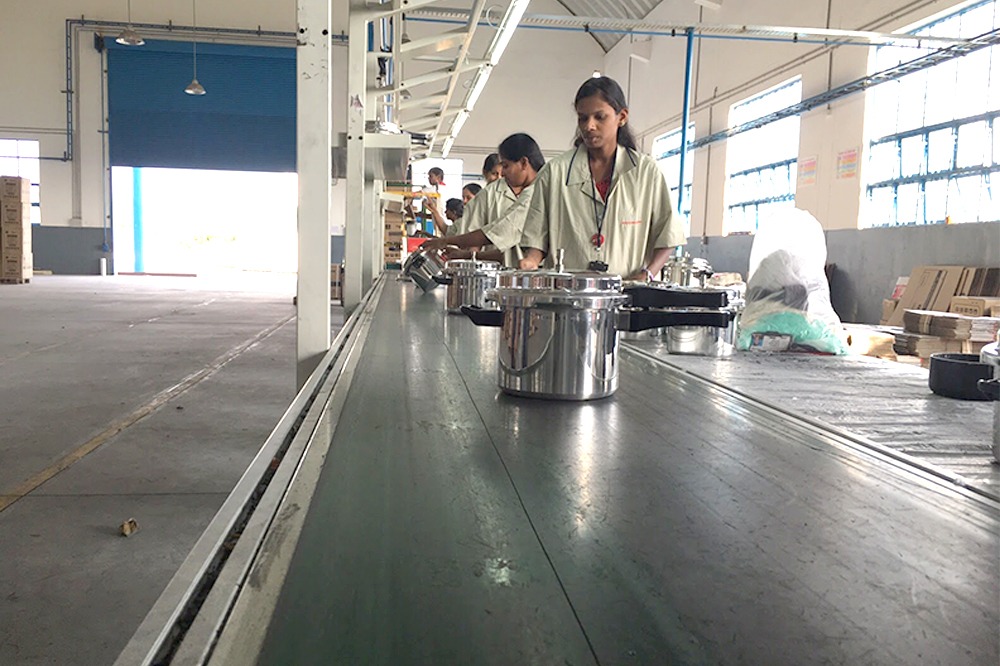
Stove Kraft Ltd, a leading manufacturer of kitchen appliances and cookware under the Pigeon and Gilma brands, has reported its financial results for the quarter ended June 2025. The company posted a consolidated net profit of ₹104.3 million and revenue from operations of ₹3.4 billion, signaling a...
Stove Kraft Ltd, a leading manufacturer of kitchen appliances and cookware under the Pigeon and Gilma brands, has reported its financial results for the quarter ended June 2025. The company posted a consolidated net profit of ₹104.3 million and revenue from operations of ₹3.4 billion, signaling a stable performance in a competitive consumer goods landscape.
This newsletter offers a detailed analysis of the company’s quarterly performance, segment trends, and strategic outlook.
Key Performance Highlights
- Net profit for Q1 FY26 stood at ₹104.3 million
- Revenue from operations reached ₹3.4 billion
- Growth driven by sustained demand for kitchen appliances and cookware
- Margins remained stable despite inflationary pressures on input costs
- Expansion in Tier 2 and Tier 3 markets contributed to volume growth
Revenue Trends and Segment Analysis
Stove Kraft’s revenue of ₹3.4 billion reflects a steady year-on-year growth, supported by strong sales in both domestic and export markets. The company’s diversified product portfolio and brand strength helped maintain momentum despite macroeconomic headwinds.
1. Kitchen Appliances
- Electric kettles, mixer grinders, and induction cooktops saw robust demand
- Seasonal promotions and e-commerce partnerships boosted volumes
2. Cookware
- Non-stick cookware and pressure cookers remained top contributors
- The festive cookware range gained traction in urban and semi-urban markets
3. Gas Stoves and Built-in Hobs
- Premium glass-top models and multi-burner variants performed well
- Continued focus on design innovation and safety features enhanced brand appeal
Profitability and Cost Management
The ₹104.3 million net profit reflects Stove Kraft’s disciplined approach to cost control and operational efficiency. While raw material costs remained elevated, the company managed to preserve margins through:
- Strategic sourcing and vendor consolidation
- Optimization of manufacturing processes
- Improved logistics and inventory management
EBITDA margins remained within the expected range, and the company continues to invest in automation and digital tools to further enhance productivity.
Market Expansion and Distribution Strategy
Stove Kraft’s growth in Tier 2 and Tier 3 cities has been a key driver of its Q1 performance. The company expanded its retail footprint and strengthened its distribution network through:
- New dealer partnerships in underserved regions
- Enhanced presence on digital marketplaces
- Targeted marketing campaigns focused on affordability and reliability
The export business also showed promise, with increased shipments to Southeast Asia and the Middle East.
Strategic Initiatives and Future Outlook
Looking ahead, Stove Kraft plans to pursue several strategic initiatives to sustain growth:
- Launch of smart kitchen appliances with IoT integration
- Expansion of manufacturing capacity in Karnataka and Gujarat
- Introduction of eco-friendly cookware lines to tap into sustainability trends
- Continued investment in brand building and customer engagement
The company remains cautiously optimistic about the upcoming quarters, citing stable demand and a resilient supply chain.
Investor Sentiment and Market Response
The market has responded positively to Stove Kraft’s Q1 results, with analysts noting the company’s ability to maintain profitability amid cost pressures. The stock has shown modest upward movement post-announcement, reflecting investor confidence in its long-term strategy.
Conclusion: A Solid Quarter with Strategic Momentum
Stove Kraft’s Q1 FY26 performance underscores its resilience and adaptability in a dynamic consumer goods environment. With a strong product portfolio, expanding market reach, and disciplined financial management, the company is well-positioned to capitalize on emerging opportunities and deliver sustained value to stakeholders.
Sources: Business Standard, Economic Times, Moneycontrol, Reuters India