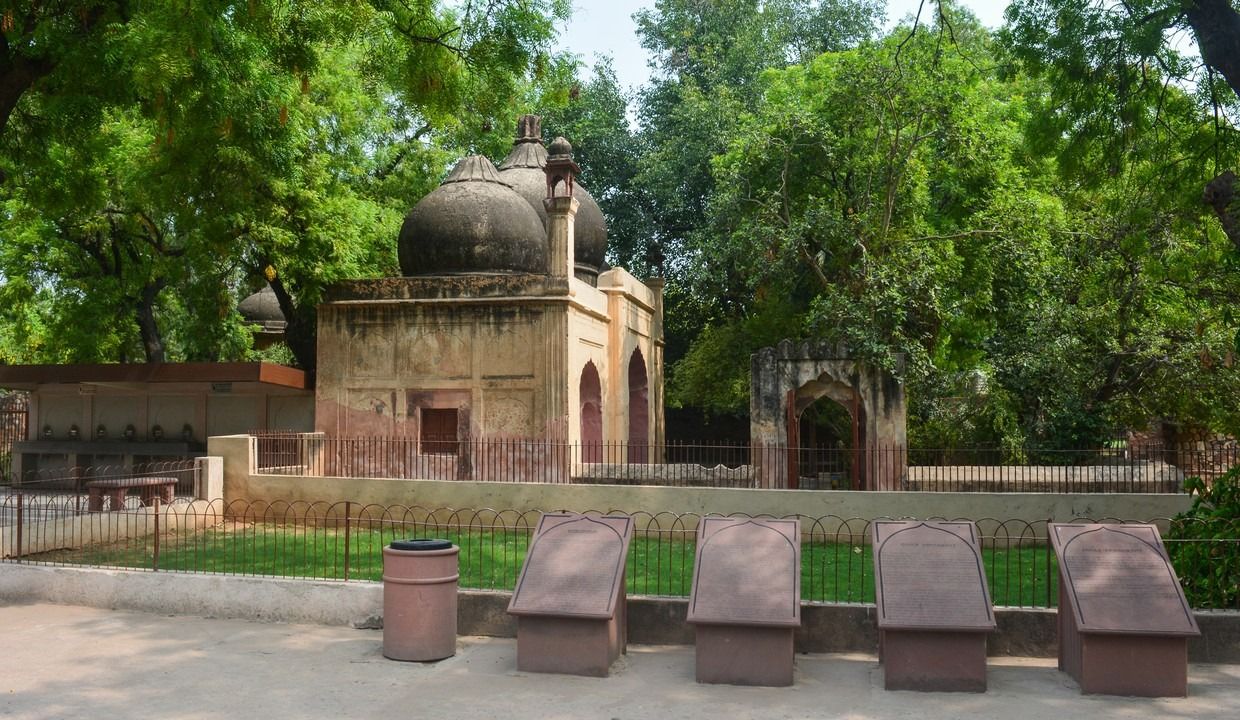
The central government has officially delisted 18 historical sites from the national protection registry since 2021. According to disclosures presented in Parliament by Union Culture Minister Gajendra Singh Shekhawat, these sites were determined to have lost their national significance under the Ancient Monuments and Archaeological Sites and Remains Act, 1958.
Citing provisions under heritage conservation laws, parliamentary disclosures reveal that 18 historical sites have been removed from Archaeological Survey of India oversight since 2021.
In a formal written disclosure presented in the Rajya Sabha in New Delhi, the Union Ministry of Culture confirmed that the central government has delisted 18 historical monuments and sites from national protection since 2021. Addressing queries raised during the parliamentary session, Union Culture Minister Gajendra Singh Shekhawat stated that these properties were found to have ceased possessing "national importance" under the governing framework of the Ancient Monuments and Archaeological Sites and Remains (AMASR) Act, 1958. The move marks a rare, large-scale administrative review of heritage properties managed by the Archaeological Survey of India (ASI).
Scope of De-notified Sites Across States
The delisted properties span multiple states and union territories, encompassing structures that historical records previously categorized as untraceable, heavily deteriorated, or absorbed by urban expansion. Prominent examples cited in official annexures include the Bara Khamba Cemetery in New Delhi, a historical banyan grove containing traces of ancient buildings in Ghazipur, and the Telia Nala Buddhist ruins in Varanasi.
According to the data provided by the Ministry of Culture, the updated total inventory of centrally protected sites under the direct care and maintenance of the ASI now stands at 3,688 monuments. Administrative officials emphasized that routine conservation and maintenance across remaining protected assets continue as an ongoing process dictated by resource availability.
Legal and Urban Implications of Delisting
Under Section 35 of the AMASR Act, 1958, the central government retains the statutory authority to declare that any ancient monument has ceased to be of national importance through notifications published in the Official Gazette.
Removal of Restrictions: Once a site is legally delisted, it exits the stringent regulatory purview of the ASI.
Urban Development: Statutory restrictions prohibiting construction, commercial expansion, and urban development within regulated and prohibited zones around protected monuments no longer apply to these parcels.
Abolition of Legal Safeguards: De-notification strips properties of specialized central preservation funding, leaving them subject to local municipal laws rather than federal archaeological safeguards.
Why It Matters
The systematic review and de-notification of historical properties clarify the operational scope of national heritage bodies. For urban planners, municipal authorities, and regional developers, identifying delisted zones removes legal ambiguities surrounding land use, while refocusing federal conservation efforts on remaining high-priority archaeological assets.
Key Facts at a Glance
Total Delisted Sites: 18 historical monuments removed from central protection since 2021.
Governing Legislation: Ancient Monuments and Archaeological Sites and Remains (AMASR) Act, 1958.
Current ASI Inventory: 3,688 centrally protected monuments remain under agency oversight.
Key De-notified Locations: Includes Delhi's Bara Khamba Cemetery and Varanasi's Telia Nala Buddhist ruins.
FAQ Section
Why were 18 monuments delisted from the central protection list?
The government stated that these sites were found to have ceased being of national importance under provisions of the AMASR Act, 1958, often due to structural loss or urban encroachment.
How many monuments are currently managed by the Archaeological Survey of India?
Following the latest updates, the ASI maintains active oversight of 3,688 centrally protected monuments and sites nationwide.
What legal changes occur when a monument is delisted?
Delisted sites lose federal archaeological protection, and restrictions against local construction and urbanization under the AMASR Act no longer apply.
Where can citizens review official parliamentary disclosures and lists of delisted sites?
Verified official data and ministerial statements are accessible publicly via the Press Information Bureau Official Portal and ThePrint News Archives.
Source: Press Information Bureau (PIB) Official Portal, ThePrint National News Desk, India Today Parliamentary Coverage, Rajya Sabha Secretariat Portal