The Union government has agreed to a full Lok Sabha debate on recent student protests and security responses. Union Home Minister Amit Shah will deliver the government’s response, aiming to resolve a two-week parliamentary deadlock. Parliamentary Affairs Minister Kiren Rijiju emphasized that the opposition must maintain order during the proceedings.
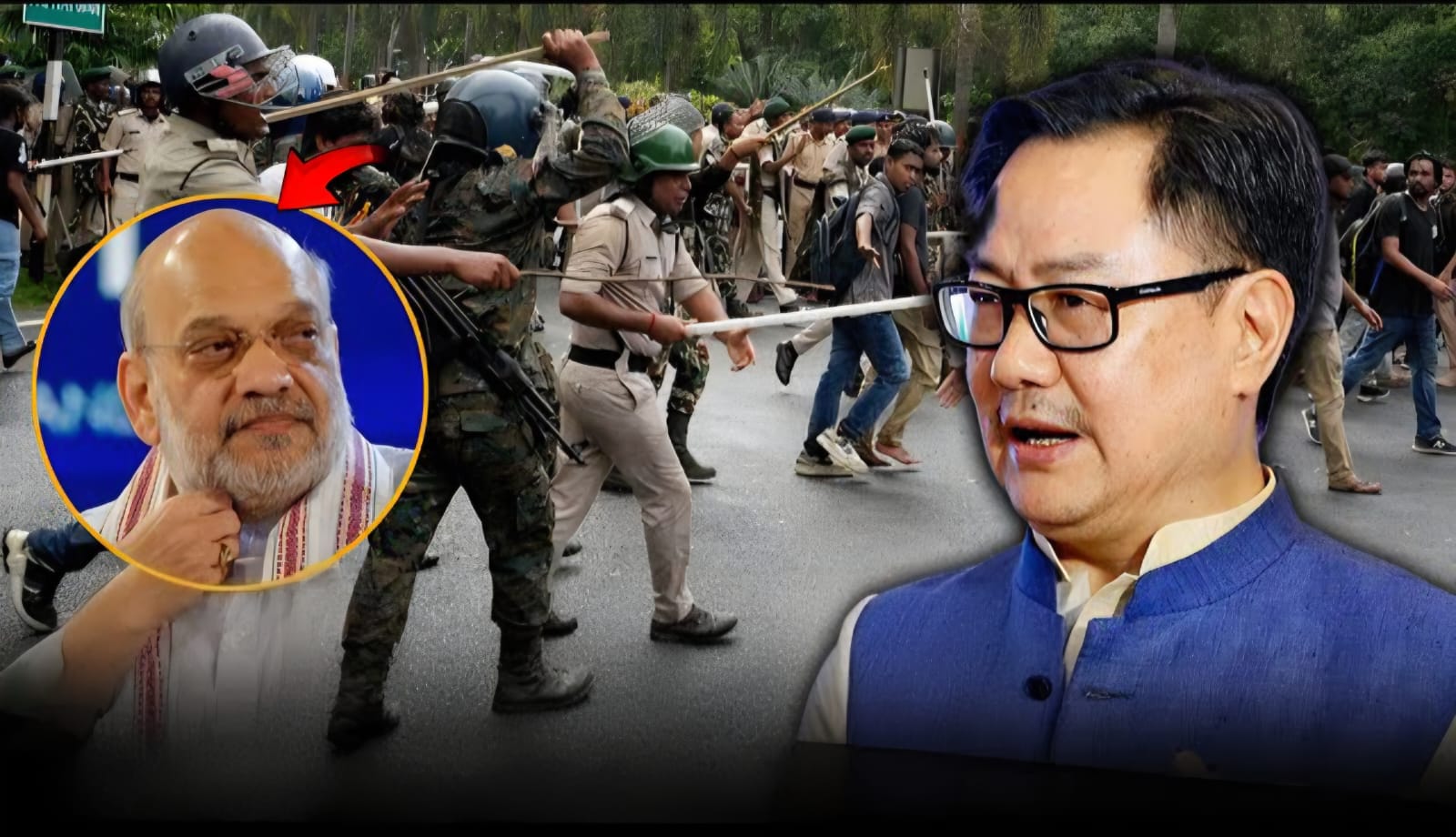
NEW DELHI — The Union government on August 10, 2026, announced its readiness to hold a comprehensive debate in Parliament regarding recent nationwide student protests, with Union Home Minister Amit Shah scheduled to deliver the official response. The decision, reached during a Business Advisory Committee (BAC) meeting in New Delhi, marks a major step toward resolving a two-week legislative logjam between the ruling administration and opposition parties. The parliamentary impasse stems from security actions taken during a July 20 student march concerning examination paper leak allegations. Addressing the breakthrough, Parliamentary Affairs Minister Kiren Rijiju confirmed the government’s willingness for an open discussion while urging opposition members to allow the Home Minister to present his statement without disruption.
Government Offer and Parliamentary Conditions
The offer was formally extended during a Business Advisory Committee meeting chaired by Lok Sabha Speaker Om Birla. Parliamentary Affairs Minister Kiren Rijiju stated that the government is fully prepared for a detailed discussion on student protests and related security responses across the country. However, the government made its participation conditional on opposition decorum.
Rijiju urged opposition lawmakers to participate in a threadbare discussion rather than causing disruptions when Home Minister Amit Shah addresses the floor. Government managers emphasized that the willingness to host a debate addresses the primary demand raised by opposition leaders since the start of the session.
Opposition Demands and Standoff Context
The ongoing deadlock in the Lok Sabha and Rajya Sabha escalated following police action against students protesting the National Eligibility cum Entrance Test (NEET) paper leaks during a march to Parliament on July 20. Leader of the Opposition Rahul Gandhi has repeatedly criticized the government's handling of the demonstration, calling for a Supreme Court-monitored investigation into the alleged use of excessive force by security personnel.
Opposition parties, including the Indian National Congress, the Samajwadi Party, and the Communist Party of India (Marxist), have maintained that a formal clarification from Home Minister Amit Shah is essential. In addition to the student protests debate in Parliament, opposition leaders like Gaurav Gogoi have requested discussions on alleged financial irregularities surrounding temple donation management in Ayodhya, asserting that both subjects remain key priorities for parliamentary oversight.
Impact on Legislative Business and Citizens
The persistent disruptions during the Monsoon Session have heavily affected legislative output. With the session scheduled to conclude on August 13, 2026, several key bills—including measures related to regulatory reforms, mining amendments, and name alterations—have faced delays or were introduced amid vocal protests.
For citizens, students, and educational institutions, a formal debate on student protests in Parliament provides an official forum to evaluate examination security policies, student safety standards, and administrative accountability. Resolving the deadlock also allows lawmakers to process crucial policy matters affecting governance, youth welfare, and regulatory frameworks before the session adjourns.
Official Sources Section
According to official releases from the Lok Sabha Secretariat and statements issued by the Ministry of Parliamentary Affairs during the Business Advisory Committee proceedings:
Parliamentary Affairs Minister Kiren Rijiju officially communicated the executive's willingness to hold a debate on student movements.
The Business Advisory Committee meeting was held under the chairmanship of Lok Sabha Speaker Om Birla.
Official records confirm that Union Home Minister Amit Shah will represent the government's response on security measures and student demonstration policies.
Quote Section
"According to officials present in the Business Advisory Committee meeting, the government has clearly stated its readiness to engage in a full-fledged debate regarding student movements across the country," stated Union Parliamentary Affairs Minister Kiren Rijiju during a press briefing. "Our only request to the opposition is to ensure that when the Home Minister responds, the floor remains orderly so that a meaningful, threadbare discussion can take place without unnecessary interruptions."
Why It Matters
The agreement to hold a student protests debate in Parliament addresses core concerns regarding academic integrity, law enforcement accountability, and legislative functionality. For millions of students and parents across India, the upcoming discussion brings national focus to competitive examination governance and student safety protocols. For the parliamentary system, breaking the standoff ensures that essential national legislation can be deliberated constructively before the session ends.
Key Facts at a Glance
Government Agreement: The Centre agreed to host a full parliamentary discussion on student movements and police responses.
Key Speaker: Union Home Minister Amit Shah will represent the government and reply to the debate in the Lok Sabha.
Trigger Event: Protests stem from police action during a July 20 march over alleged NEET paper leaks.
Session Timeline: The Monsoon Session of Parliament is scheduled to end on August 13, 2026.
FAQ Section
Q1: Why is Parliament holding a discussion on student protests?
The debate was agreed upon to address opposition demands and public concerns regarding police action during student demonstrations on July 20 over national exam paper leaks.
Q2: Who will reply to the debate on behalf of the government?
Union Home Minister Amit Shah will reply on behalf of the government during the Lok Sabha debate.
Q3: What condition did the government set for the debate?
Parliamentary Affairs Minister Kiren Rijiju requested that opposition members refrain from creating noise or disruptions during the minister's statement to allow a complete discussion.
Q4: What other issues has the opposition raised during the session?
In addition to student protests, opposition parties have sought discussions regarding alleged donation irregularities related to the Ram Temple trust in Ayodhya.
Source: Official statements from the Ministry of Parliamentary Affairs and records from the Lok Sabha Secretariat.