Indian fashion is experiencing a major shift as consumers embrace versatile, multi-functional clothing. Moving away from event-specific attire, urban shoppers are favoring "fusion" and "smart-casual" styles that offer high utility and long-term value, forcing brands to adopt more flexible design and inventory strategies to meet modern lifestyle demands.
Indian consumers are moving away from restrictive occasion-wear, fueling a significant market shift toward versatile, multi-functional clothing.
MUMBAI — The Indian fashion landscape is undergoing a structural transformation as consumer preferences pivot toward versatile "occasion-to-everyday" apparel. Retail data from the current quarter indicates that shoppers are increasingly prioritizing garments that can seamlessly transition from professional settings and social events to casual daily use, moving away from the traditional model of buying exclusive outfits for single events.
This shift, driven by a younger, urban demographic, is forcing major domestic and international brands to rethink their design and inventory strategies to cater to a lifestyle that values both aesthetics and utility.
The Decline of the 'One-Time-Wear' Culture
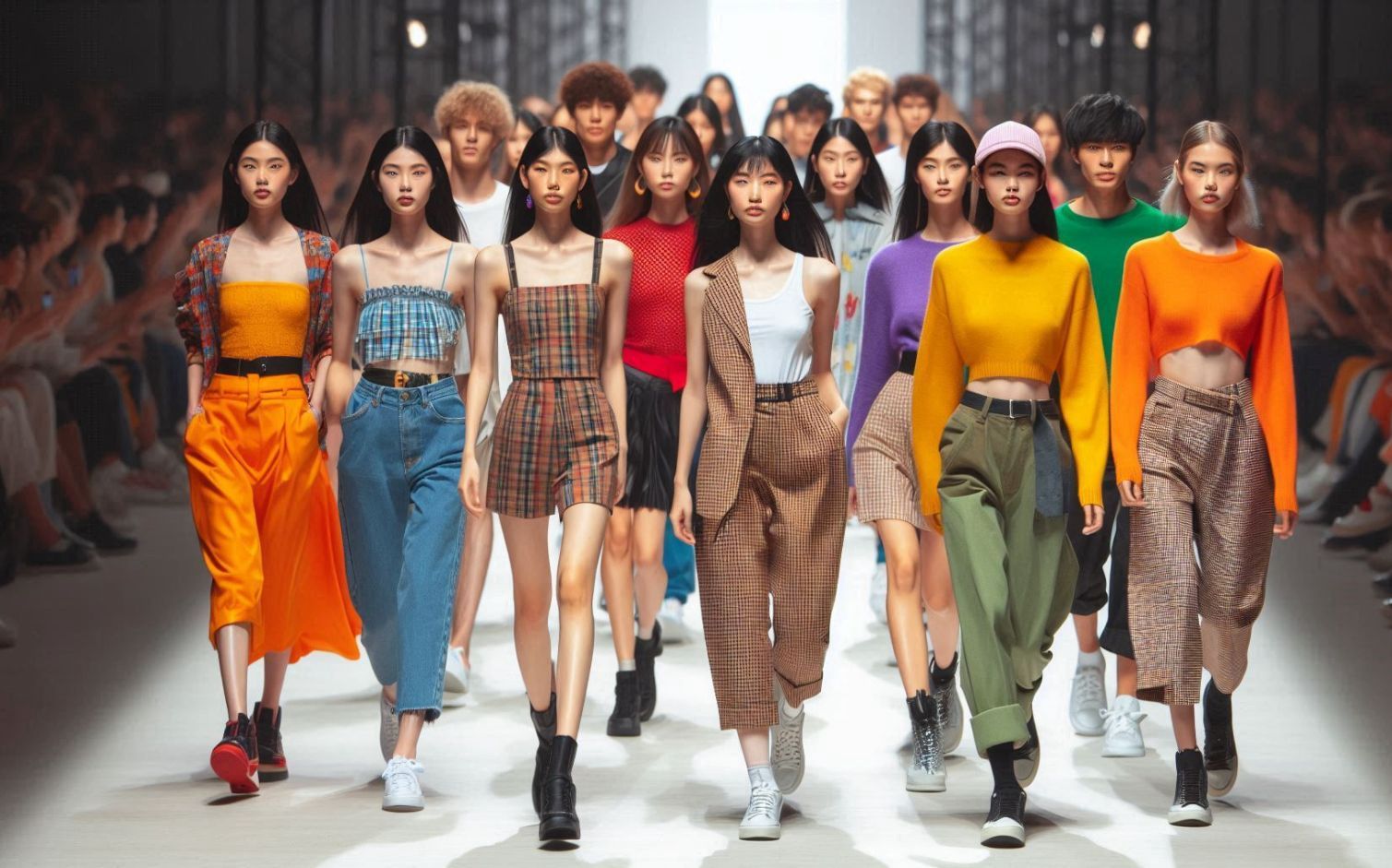
Historically, the Indian apparel market was heavily segmented, with a sharp divide between formal, heavy occasion-wear and basic casual clothing. However, according to recent market reports, urban professionals are now seeking "smart-casual" and "fusion" pieces. This demand for versatility—often characterized by high-quality fabrics, modular designs, and neutral palettes—reflects a broader global move toward conscious consumption and capsule wardrobes.
Market analysts observe that consumers are no longer willing to invest in high-priced items that sit in a closet for most of the year. Instead, they are favoring elevated basics that can be accessorized to suit both festive and corporate environments. This transition is not only reshaping retail floor space but is also heavily influencing digital search trends in India, where terms like "fusion formal wear" and "convertible ethnic sets" have seen a consistent upward trajectory.
Strategic Shifts in the Retail Sector
In response to this growing demand for versatile fashion, major Indian fashion houses are diversifying their collections. Designers are increasingly utilizing breathable, durable materials that offer comfort for long-duration wear, while also maintaining the intricate detailing expected in Indian markets.
"Brands that fail to integrate versatility into their core collections risk losing market share to agile, direct-to-consumer labels that understand the modern Indian consumer's need for efficiency," industry observers noted in a recent retail commentary. This move toward versatility has also encouraged retailers to adopt more sustainable production cycles, as consumers lean toward fewer, higher-quality garments that serve multiple purposes.
Economic Impact and Market Growth
The retail fashion sector remains a critical pillar of the Indian economy, and the pivot to multi-functional apparel is acting as a catalyst for growth. For businesses, the shift offers an opportunity to streamline supply chains and reduce waste associated with seasonal trend cycles. Investors are closely monitoring companies that demonstrate successful transitions into this "lifestyle-first" retail model, as it promises higher customer retention and increased brand loyalty in a highly competitive market.
Furthermore, this change in fashion consumption is creating new opportunities for e-commerce platforms, which are increasingly deploying AI-driven personalization tools to help shoppers build cohesive, versatile wardrobes based on their existing purchases.
Why It Matters
This evolution in the Indian fashion market represents a departure from traditional shopping behaviors, favoring long-term utility over short-term trends. By embracing versatile occasion-to-everyday fashion, brands can better align with modern lifestyles, fostering a more sustainable and economically efficient retail environment that appeals to a sophisticated, value-conscious demographic.
Key Facts at a Glance
Trend Shift: Increasing preference for modular, multi-functional apparel over rigid, event-specific garments.
Primary Drivers: Urbanization, the rise of "smart-casual" work culture, and increased awareness of sustainable consumption.
Industry Response: Fashion houses are pivoting to fusion-wear and elevated basics to sustain growth.
Consumer Benefit: Greater wardrobe flexibility and increased value for money on high-end garment investments.
Frequently Asked Questions
Q: What is driving the shift toward versatile fashion in India?
A: A combination of lifestyle changes, the desire for sustainable consumption, and a preference for functional yet stylish clothing that works in various social and professional settings.
Q: Are brands moving away from traditional ethnic wear?
A: Not entirely, but they are adapting it. Traditional elements are being incorporated into more casual, versatile designs that allow consumers to wear "fusion" styles more frequently.
Q: How does this shift affect the average consumer?
A: It allows consumers to build more efficient wardrobes with fewer items, ultimately increasing the return on investment for high-quality clothing purchases.
Source: Ministry of Textiles, Confederation of Indian Industry, Retailers Association of India