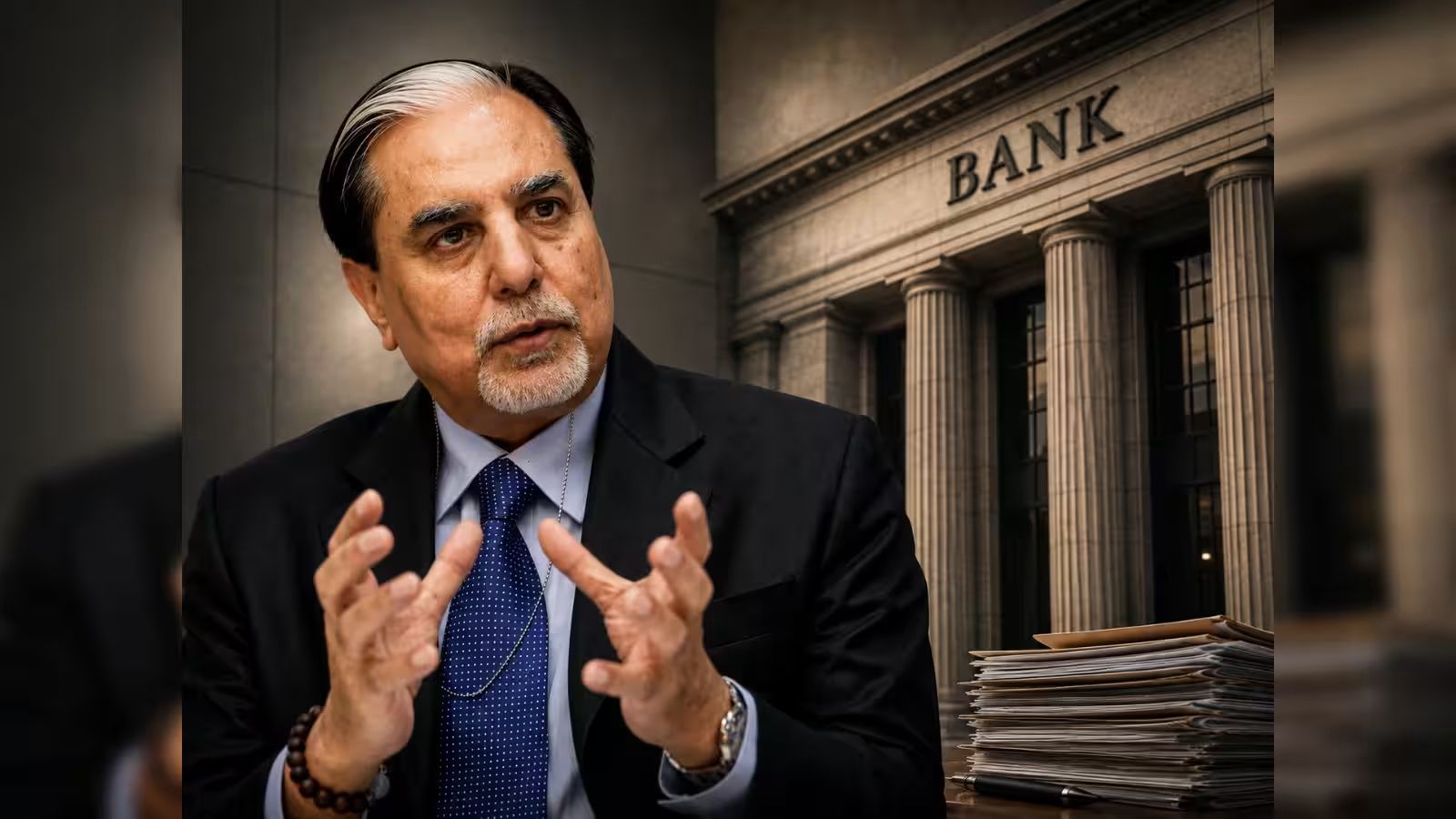
Media entrepreneur Subhash Chandra plans to explore startup investments, potentially borrowing funds from family to collaborate with Swiss investment professionals. This move follows the National Company Law Tribunal approving his personal insolvency repayment plan, requiring a ₹6.5 crore settlement against admitted creditor claims exceeding ₹22,000 crore.
Backed by official tribunal disclosures, Essel Group founder Subhash Chandra is charting a professional comeback focused on startup investments after securing a major personal insolvency resolution.
Corporate and media circles are observing a high-profile professional pivot as Subhash Chandra prepares for a return to entrepreneurship. According to official tribunal filings and media statements released on August 29, 2026, the development follows a decisive ruling by the National Company Law Tribunal (NCLT) approving a personal insolvency repayment plan. Under the finalized framework, Chandra is set to pay ₹6.5 crore to resolve admitted creditor claims of approximately ₹22,006.57 crore.
The legal resolution clears a path for the veteran media entrepreneur to look past years of leveraged group restructuring. With the tribunal order settling personal guarantor obligations, Chandra has signaled his intention to engage with international markets and channel fresh capital into emerging enterprises.
Tribunal Decision and Financial Restructuring
The NCLT Delhi bench verdict concluded a complex personal insolvency proceeding that had drawn intense scrutiny from banking institutions and financial analysts. According to regulatory disclosures and reports from The Economic Times and Mint, key elements of the case include:
The Repayment Structure: The approved plan mandates a personal payout of ₹6.25 crore alongside ₹25 lakh toward administrative process costs, satisfying claims backed by an 80.81 percent creditor voting majority.
Dissenting Lenders and Appeals: Major public and private banking institutions, including LIC Housing Finance, HDFC Bank, and Union Bank of India, opposed the settlement due to the steep valuation gap and have indicated immediate appellate challenges.
Personal Asset Limits: Tribunal evaluations confirmed that Chandra’s remaining personal estate and disclosed net worth were valued significantly below outstanding claims, prompting the structured resolution.
Operational Shift: Having stepped away from legacy broadcast and infrastructure heavyweights, Chandra's upcoming professional roadmap centers squarely on agile, high-growth startup ecosystems.
Future Ventures and International Collaborations
Looking ahead, Subhash Chandra intends to establish new professional partnerships tailored to early-stage innovation. According to public statements and disclosures covered by Free Press Journal Business, the entrepreneur is actively exploring collaborative opportunities:
Switzerland-Based Networks: Chandra is currently in discussions with investment professionals based in Switzerland to identify high-potential technology and commercial startups.
Family Capital Support: To seed these upcoming ventures, reports indicate he may borrow between ₹2 crore and ₹4 crore from family members.
Timeline for Expansion: Comprehensive details regarding the operational framework and target sectors of these new startup investments are expected to be unveiled within the coming fortnight.
Why It Matters
The practical implications of the NCLT ruling and Chandra's subsequent business plans resonate across India's financial and startup ecosystems. For institutional investors and banks, the case highlights evolving judicial interpretations surrounding personal guarantor liabilities under the Insolvency and Bankruptcy Code (IBC). For the broader market, Chandra's pivot toward early-stage ventures signals how legacy entrepreneurs adapt post-restructuring to foster new economic activity.
Key Facts at a Glance
Key Individual: Subhash Chandra, Essel Group founder.
Legal Milestone: NCLT approval of a personal insolvency repayment plan.
Settlement Amount: ₹6.5 crore total payout against admitted claims exceeding ₹22,000 crore.
New Strategic Focus: Startup investments in partnership with Swiss financial networks.
Funding Strategy: Potential family borrowing of ₹2–4 crore to seed new business activities.
FAQ Section
What repayment plan did the NCLT approve for Subhash Chandra?
The National Company Law Tribunal approved a resolution plan requiring Subhash Chandra to pay ₹6.5 crore to settle personal guarantor and creditor claims of approximately ₹22,006 crore.
What are Subhash Chandra's upcoming business plans post-insolvency?
Chandra plans to pivot toward venture capital and startup investments, collaborating with investment professionals in Switzerland and potentially utilizing family backing for initial capital.
How have institutional lenders reacted to the NCLT tribunal order?
Dissenting financial institutions, including LIC Housing Finance and Union Bank of India, opposed the settlement due to the extensive debt reduction and have announced plans to file appellate challenges.
Where can stakeholders track official NCLT insolvency judgments?
Verified legal orders, case updates, and regulatory filings are published directly on the National Company Law Tribunal Portal.
Source: The Economic Times, Mint, Free Press Journal, National Company Law Tribunal