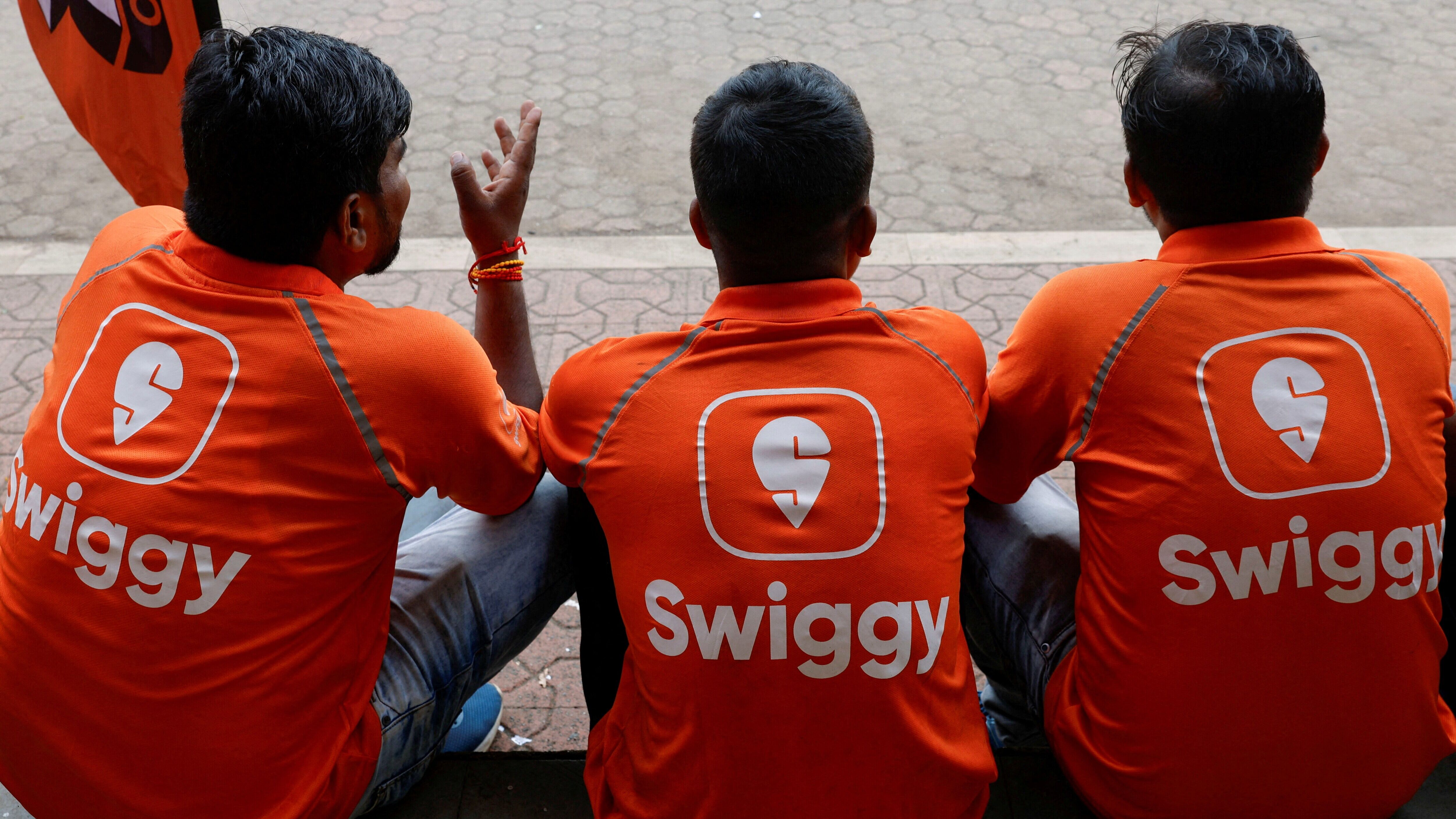
Swiggy Limited’s achievement of Indian-Owned and Controlled Company (IOCC) status allows its quick-commerce unit, Instamart, to transition to a direct inventory model. The structural shift enables bulk procurement and margin gains of roughly 80 basis points per order, prompting analysts to reassess Instamart’s market valuation in India's rapid-delivery sector.
BENGALURU — Food delivery and quick-commerce platform Swiggy Limited has secured domestic majority shareholding, achieving Indian-Owned and Controlled Company (IOCC) status under national foreign direct investment (FDI) guidelines. The regulatory milestone enables its quick-commerce vertical, Instamart, to transition from a pure marketplace setup to an inventory-led operating model, prompting equity analysts and institutional investors to reassess Instamart's commercial valuation and margin trajectory in India’s expanding rapid-delivery sector.
Regulatory Shift to Indian Control
Under India's foreign investment regulations governing multi-brand retail, companies with majority foreign ownership are prohibited from directly owning and holding inventory, restricting them strictly to marketplace commission structures. By crossing the threshold to majority domestic ownership, Swiggy qualifies as an IOCC entity.
This statutory transition allows Instamart to take direct ownership of product inventory across its dark-store network:
Procurement Efficiencies: Direct bulk purchasing from fast-moving consumer goods (FMCG) manufacturers, bypassing third-party seller margins.
Assortment and Pricing Control: Tighter inventory management across high-margin non-grocery categories, electronics, and daily essentials.
Supply Chain Optimization: Reduced product wastage, automated stock forecasting, and improved supplier analytics integration.
The operational transition mirrors the structure adopted by key industry rivals, eliminating structural regulatory disadvantages in retail inventory management.
Impact on Instamart Valuation and Unit Economics
The shift to an inventory-led quick-commerce model is expected to provide an immediate boost to Instamart's contribution margins. Financial analysts project that direct sourcing and wholesale purchasing power could expand contribution margins by approximately 80 basis points, translating into an estimated improvement of 4 to 5 rupees per order.
Market valuation metrics for quick-commerce platforms in India have increasingly prioritized path-to-profitability alongside Gross Order Value (GOV) growth. With Instamart operating over 1,100 dark stores across more than 100 cities, margin expansion is critical to narrowing operating losses and achieving company-wide EBITDA breakeven.
For public market investors and equity research desks, the ability to recognize full retail margins rather than pure marketplace commissions necessitates a recalibration of Swiggy’s enterprise multiple and segment valuation against industry peers like Blinkit and Zepto.
Competitive Dynamics Across Quick Commerce
India's quick-commerce landscape is undergoing rapid capital deployment as consumer habits shift toward sub-15-minute fulfillment across grocery and non-grocery merchandise. The ability to control inventory is seen as crucial for sustaining fast delivery times while securing vendor rebates and brand advertising income.
Industry observers note that while an inventory model carries working capital obligations and obsolescence risks, the resulting pricing flexibility and margin expansion offer higher enterprise value multiples over a multi-year execution horizon.
Official Sources Section
Regulatory filings, corporate ownership structures, and statutory notifications concerning Swiggy Limited were sourced from disclosures submitted to the National Stock Exchange of India and the BSE Limited, alongside compliance guidelines governed by the Department for Promotion of Industry and Internal Trade and market frameworks administered by the Securities and Exchange Board of India.
Quote Section
According to equity analysts monitoring the retail and tech sector:
"The transition to an Indian-owned corporate status unlocks critical operating leverage for Instamart. Moving to an inventory-led architecture allows direct manufacturer sourcing, lower product wastage, and enhanced category margins, providing a fundamental basis to reassess the vertical's medium-term valuation multiples."
Why It Matters
Quick commerce has emerged as one of the fastest-growing retail channels in urban India. Enabling Instamart to adopt an inventory model levels the regulatory playing field, allowing Swiggy to expand product selections, improve fulfillment speeds, and accelerate its path toward operating profitability, which directly influences investor sentiment and public equity pricing.
Key Facts at a Glance
Corporate Milestone: Swiggy attains Indian-Owned and Controlled Company (IOCC) status.
Business Vertical: Swiggy Instamart (quick-commerce delivery).
Model Change: Transition from third-party marketplace to direct inventory model.
Margin Impact: Projected contribution margin improvement of ~80 basis points (~₹4–5 per order).
Store Footprint: Over 1,100 dark stores across major Indian urban centers.
Frequently Asked Questions
What does Swiggy's Indian-controlled status mean?
It means majority domestic ownership has been established, qualifying the platform as an Indian-Owned and Controlled Company (IOCC) under Indian FDI regulations.
Why is IOCC status important for Instamart?
Under FDI rules, only domestic-controlled companies can hold inventory in multi-brand retail, allowing Instamart to buy and manage stock directly rather than operating purely as a marketplace.
How does this impact Instamart's financial valuation?
Direct inventory ownership enhances gross margins through bulk procurement and supply chain optimization, improving unit economics and supporting a higher standalone valuation multiple for the quick-commerce division.
What operational risks are associated with an inventory model?
The model requires higher working capital management and exposes the company to potential inventory holding and product wastage risks if demand fluctuates.
Source: BSE India Corporate Filings | National Stock Exchange of India | Department for Promotion of Industry and Internal Trade