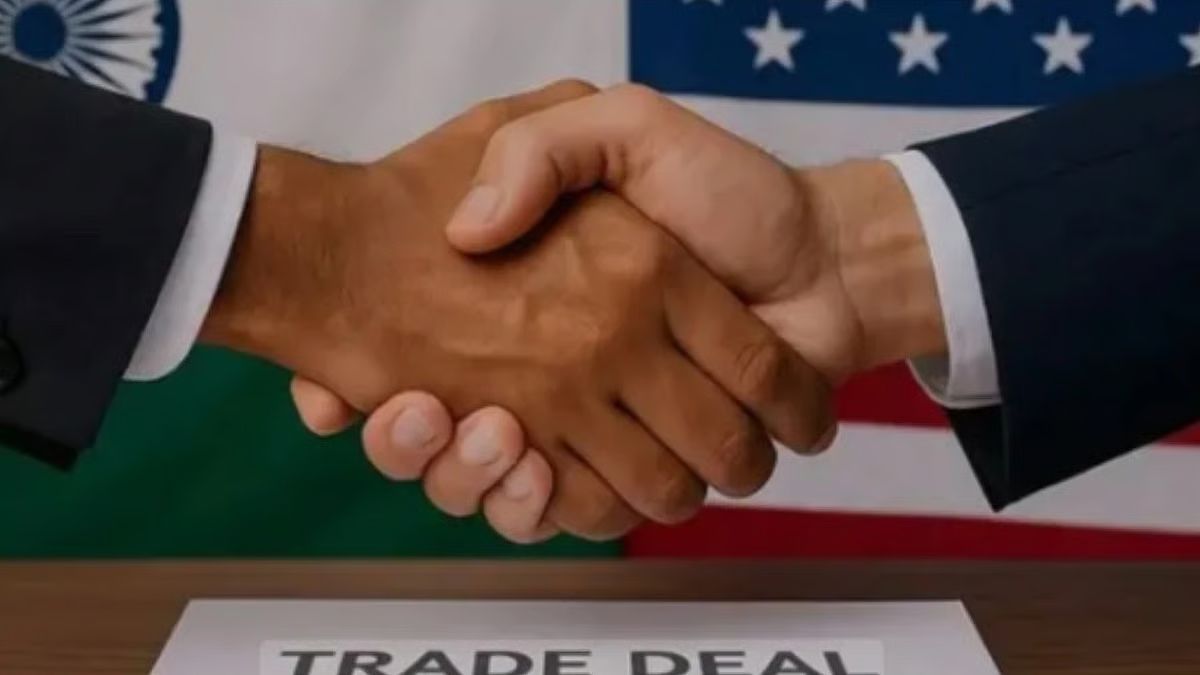
India-US trade talks have accelerated as USTR Jamieson Greer arrives in New Delhi for ministerial sessions with Piyush Goyal on June 23–24. The meetings aim to finalize phase one of an interim trade agreement, iron out post-judiciary tariff frameworks, and resolve pending U.S. Section 301 penal investigations.
NEW DELHI — Negotiations for the India-US Bilateral Trade Agreement (BTA) have entered their final, most critical stretch. Union Commerce and Industry Minister Piyush Goyal and United States Trade Representative (USTR) Jamieson Greer are launching a crucial two-day ministerial summit in the national capital to resolve remaining open ends of an interim framework agreement.
According to official briefings from Commerce Secretary Rajesh Agrawal, the high-level meetings on June 23 and 24, 2026, aim to finalize the first phase of the trade framework agreement before a tight July 24 deadline. The urgency stems from the upcoming expiration of Washington's temporary 10 percent global tariff, forcing both economic powers to secure structural market protections amid ongoing U.S. Section 301 statutory trade investigations.
Redesigning the Tariff Architecture After Legal Shifts
The New Delhi ministerial follows intense, preliminary discussions held from June 1 to June 4 between a technical USTR delegation and Indian commerce ministry planners. Those talks focused on establishing reciprocal market access, reducing non-tariff barriers, aligning economic security, and streamlining complex customs procedures.
The baseline parameters of the trade deal were originally outlined in a joint statement on February 7, 2026. Under that initial understanding, India agreed to eliminate or lower import tariffs on a wide range of American industrial machinery and agricultural products, including tree nuts, fresh fruits, soybean oil, dried distillers' grains (DDGs), red sorghum for livestock feed, and premium spirits.
In return, Washington proposed capping base duties on vital Indian goods. However, a subsequent U.S. Supreme Court ruling struck down the White House's wider reciprocal duties previously managed under the International Emergency Economic Powers Act (IEEPA). This judicial shift forced President Donald Trump to implement a temporary 150-day, 10 percent flat tariff on all global partners, which is set to expire on July 24, 2026. As a result, negotiators are rushing to anchor India’s long-term tariff exemptions within a finalized bilateral treaty before standard Most-Favoured-Nation (MFN) duties return.
Resolving Section 301 Safeguards and Competitive Margins
A primary focus for Minister Goyal during the current session is addressing the unilateral Section 301 investigations launched by the USTR in March. The probes, which evaluate global industrial overcapacity and forced labor tracking in supply chains, led to a June 2 proposal targeting 54 nations—including India—with an additional 12.5 percent penal tariff.
Addressing reporters in Mumbai ahead of the talks, Minister Goyal emphasized that India will not execute the trade pact until it secures definitive structural safeguards that protect its manufacturing sectors over regional trade competitors.
To counter Washington’s trade deficit concerns, New Delhi’s text leverages a major commercial commitment: a formal plan to purchase $500 billion in American energy assets, commercial aircraft, tech hardware, graphics processing units (GPUs) for data centers, and coking coal over the next five years.
Quote Section
"For the US trade deal talks, my counterpart is coming to Delhi," confirmed Union Commerce and Industry Minister Piyush Goyal during a media briefing. "We have finalized the framework agreement and announced it as well. The Supreme Court's order regarding tariffs came after that. We cannot implement the trade agreement until we secure a competitive advantage. Our duties need to be lower compared to those of competing nations; once this is settled, the trade agreement will be implemented."
Why It Matters
The rapid finalization of this trade agreement has major practical implications for corporate investors, supply chain logistics planners, and everyday consumers. If negotiations freeze and the U.S. imposes the proposed 12.5 percent Section 301 penalty next month, high-volume Indian export sectors—particularly telecom equipment, textiles, and pharmaceuticals—could lose their price advantage in the American retail market. Conversely, a signed agreement provides immediate legal safety for manufacturing investments, while granting Indian consumers more affordable access to advanced American computing hardware and premium agricultural goods.
Key Facts at a Glance
Bilateral Ministerial: U.S. Trade Representative Jamieson Greer and Commerce Minister Piyush Goyal are holding critical talks in New Delhi on June 23–24.
Tight Deadlines: The negotiations aim to finalize phase one of the trade framework before a temporary 10 percent U.S. tariff expires on July 24, 2026.
Competitive Advantage: India is conditioning the deal on securing preferential tariff structures lower than those faced by neighboring export rivals.
Section 301 Resolution: The final treaty text intends to provide clear legal answers to a proposed 12.5 percent U.S. penal import levy.
Energy-for-Market Swap: The framework includes a long-term roadmap for India to import $500 billion in American energy, aerospace, and data center assets over five years.
FAQ Section
What is the primary purpose of USTR Jamieson Greer's visit to New Delhi?
The visit is designed to hold face-to-face ministerial talks with Piyush Goyal to resolve open technical ends and finalize the first phase of the India-US Bilateral Trade Agreement (BTA).
What major concessions are being negotiated by both sides?
India is offering to lower import tariffs on American industrial goods, tech infrastructure, and agricultural commodities, alongside a $500 billion purchasing commitment. In return, India wants preferential tariff rates on its outbound manufacturing shipments to the United States.
How do the U.S. Section 301 investigations impact this trade agreement?
The Section 301 probes threaten to add a 12.5 percent penal tariff on Indian exports. Indian trade officials are using the current BTA negotiations to secure a legal exemption from these proposed penalties.
Source: Ministerial briefing transcripts distributed by the Ministry of Commerce and Industry and regulatory foreign policy files maintained by the Office of the United States Trade Representative.