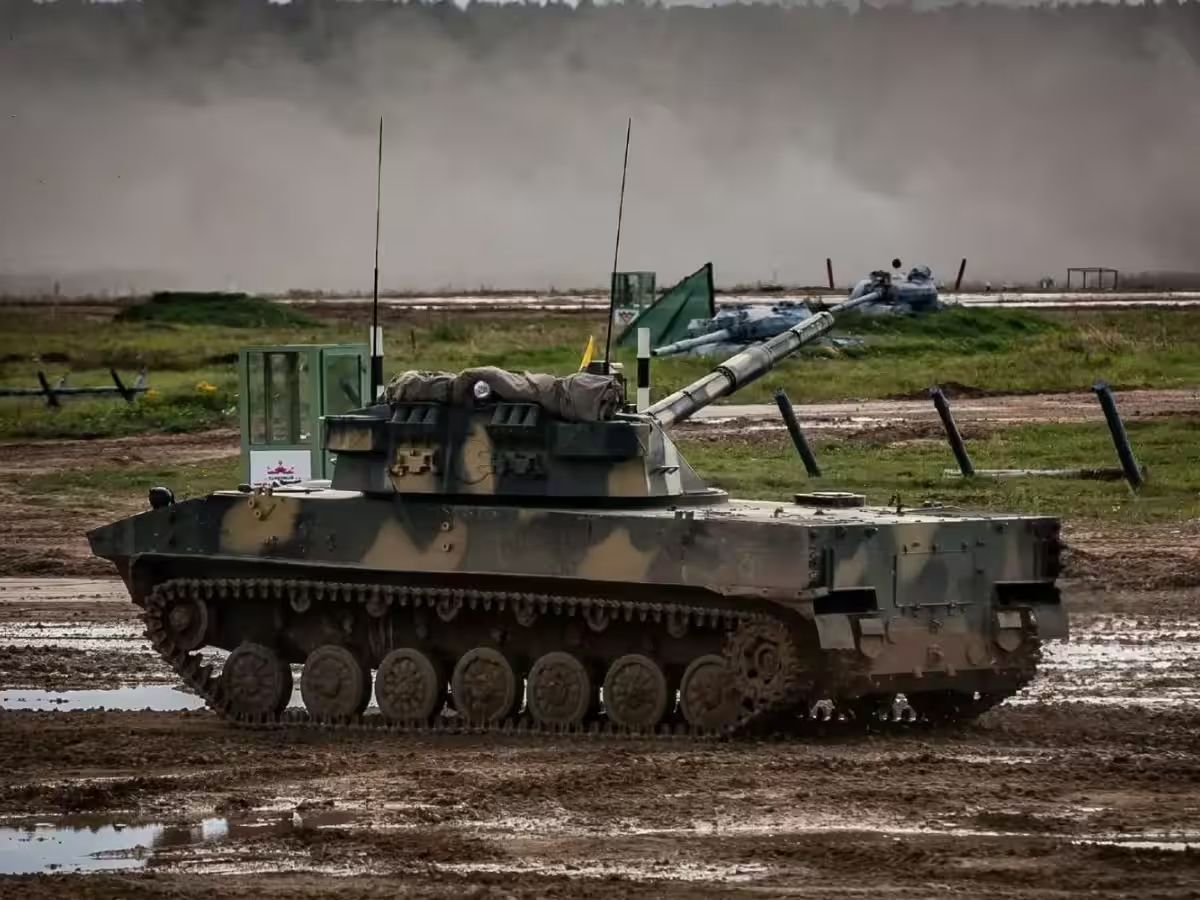
Tata has emerged as the lowest bidder for the Indian Army's Rs 20,000-crore Project Zorawar light tank tender, with Mahindra also funded to develop prototypes. The high-stakes defense initiative aims to deliver agile, air-portable armored vehicles optimized for high-altitude mountain warfare.
Tata emerges as the lowest bidder for the Indian Army's massive Rs 20,000-crore Project Zorawar light tank tender, with Mahindra also selected to build prototypes.
NEW DELHI — In a major milestone for indigenous defense manufacturing, Tata Advanced Systems has emerged as the lowest bidder (L1) for the Indian Army’s prestigious Project Zorawar light tank procurement initiative. According to official defense disclosures and industry reports released in September 2026, the multi-billion-dollar program valued at approximately Rs 20,000 crore aims to supply agile, high-altitude armored platforms tailored for rugged mountainous frontiers. Alongside Tata’s selection as the lowest financial bidder, Mahindra Defence has also been cleared by the Ministry of Defence to develop competing prototypes under the Make-I framework, ensuring robust industrial redundancy and technological competition.
Strengthening High-Altitude Armored Readiness
The push to field indigenous light tanks stems directly from operational lessons learned along northern border standoffs, where heavy main battle tanks face mobility limitations.
Financial Evaluation: Following rigorous commercial evaluations of bids submitted by top domestic defense players, Tata secured the L1 position, closely followed by rival contenders.
Prototype Development: Under the Ministry of Defence’s Make-I acquisition category, both Tata and Mahindra are backed with partial government funding to design, fabricate, and test combat-ready prototypes.
Weight and Mobility Specifications: The lightweight platforms are engineered to stay within a strict 25-tonne threshold, allowing seamless air-portability and high-altitude maneuverability across steep terrain.
Technological Integration: Prototypes are mandated to feature advanced active protection systems, counter-drone (C-UAS) suites, and high-pressure main armament designed to defeat modern battlefield threats.
Strategic Impact on Domestic Defense Ecosystem
The progression of Project Zorawar marks a fundamental shift away from state-monopoly defense production toward private sector participation in heavy military hardware. For defense investors, domestic component suppliers, and strategic analysts, the dual-developer model guarantees accelerated timelines and technological innovation. Industry stakeholders note that successfully fielding an indigenous light tank fleet will significantly enhance the Indian Army's rapid deployment capabilities, providing a decisive tactical edge in high-altitude conflict zones.
Why It Matters
Equipping the armed forces with lightweight, high-altitude-optimized tanks addresses critical strategic vulnerabilities along mountainous borders. Engaging private sector giants like Tata and Mahindra ensures rapid technological delivery and strengthens India's broader defense-industrial base.
Key Facts at a Glance
Program Name: Project Zorawar Light Tank.
Estimated Outlay: Approximately Rs 20,000 crore.
Lowest Bidder (L1): Tata Advanced Systems.
Co-Developer: Mahindra Defence Systems.
Frequently Asked Questions
Who emerged as the lowest bidder for Project Zorawar?
Tata emerged as the lowest financial bidder (L1) for the Rs 20,000-crore light tank tender.
What is the role of Mahindra Defence in the project?
Mahindra Defence has also been cleared by the Ministry of Defence to develop competing prototypes under the Make-I framework.
Why is the Zorawar light tank needed?
The platform is designed to provide high-altitude mobility and firepower in rugged terrain like Eastern Ladakh, where heavy main battle tanks face operational constraints.
Where can official defense procurement updates be tracked?
Updates are published through the Ministry of Defence and the Press Information Bureau (PIB).
Source: Ministry of Defence, Defence Research and Development Organisation (DRDO), Press Information Bureau (PIB), The Economic Times