India's rapid AI data centre expansion threatens to outpace national power grids and water supplies. Experts urge policymakers to address four critical questions regarding energy sourcing, grid transmission capacity, water consumption, and environmental guardrails before multi-billion-dollar investments lock in irreversible resource strains.
As tech giants pour billions into artificial intelligence infrastructure, energy experts warn that India's rapid data centre expansion risks severely straining national power grids and water reserves.
NEW DELHI — Driven by aggressive multi-billion-dollar investments from global technology leaders, India is experiencing an unprecedented surge in digital infrastructure development. According to projections from the Ministry of Power, Government of India, artificial intelligence workloads alone are expected to add a staggering 26.3 gigawatts of electricity demand by the 2031–32 fiscal cycle. While the digital expansion promises to accelerate technological competitiveness across manufacturing, healthcare, and public services, energy analysts and policymakers caution that the physical footprint of these facilities could outpace national grid capacity unless structural safeguards are enacted immediately.
Evaluating the Physical Toll of Compute Infrastructure
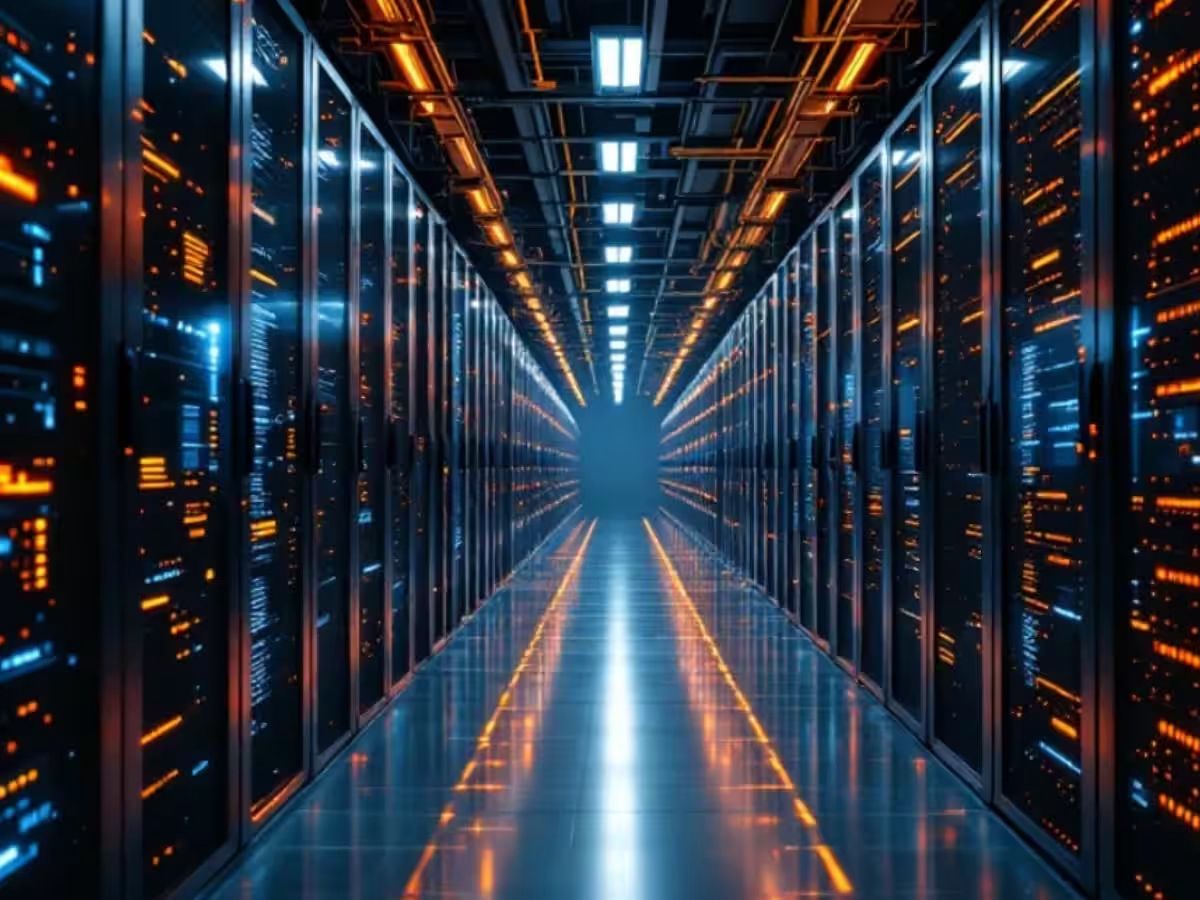
The physical reality of artificial intelligence involves massive servers housed in sprawling complexes that demand uninterrupted electricity, heavy water cooling, and robust transmission corridors.
Surging Power Demand: National electricity consumption driven by data centres is projected to scale dramatically, moving from approximately 13 terawatt-hours in 2024 to nearly 57 terawatt-hours by 2030.
Transmission Bottlenecks: While renewable energy hubs flourish in states like Rajasthan and Gujarat, transmission wire construction often lags behind generation capacity, creating logjams at pooling substations.
Water Resource Stress: Many proposed data facilities cluster in water-stressed urban zones, raising concerns over whether intensive cooling requirements will compete with municipal and agricultural needs.
Thermal Feedback Loops: Concentrated server heat output increases ambient local temperatures, inadvertently driving up regional cooling demands and creating a compounding energy cycle.
Market Design and Environmental Guardrails
Addressing these systemic challenges requires moving beyond state-level tax incentives to establish unified national standards. According to policy insights from the Council on Energy, Environment and Water (CEEW) and the Institute for Energy Economics and Financial Analysis (IEEFA), market design must evolve to price grid services such as ramping, storage, and demand response separately. Without mandatory grid impact assessments, strict renewable sourcing thresholds, and transparent water-consumption disclosures, the long-term cost of infrastructure upgrades risks being socialized and passed down to everyday retail electricity consumers.
Why It Matters
Unchecked digital expansion risks destabilizing local power grids, depleting municipal water tables, and increasing carbon emissions if facilities default to coal power during supply gaps. Establishing proactive guardrails ensures that India achieves technological sovereignty without compromising its long-term environmental and economic stability.
Key Facts at a Glance
Projected AI Load: Estimated to reach 26.3 GW by 2031–32.
Energy Growth: Consumption expected to jump from 13 TWh (2024) to roughly 57 TWh (2030).
Primary Vulnerabilities: Transmission line lags, localized water stress, and thermal load loops.
Policy Gap: Absence of mandatory national grid impact and water disclosure standards.
Frequently Asked Questions
Why is the data centre boom threatening India's power grid?
Rapidly clustering data facilities demand massive, continuous blocks of electricity, pushing peak load limits in regions where transmission infrastructure lags behind generation.
How much extra electricity will AI demand in India?
The Ministry of Power estimates that artificial intelligence workloads will add 26.3 gigawatts of new demand by the 2031–32 period.
What environmental concerns surround these facilities?
Beyond electricity consumption, data centres require substantial water for cooling in already water-stressed areas and generate localized heat feedback loops.
Where can official energy sector updates be monitored?
Policy frameworks and reports are accessible via the Ministry of Power and analytical bodies like CEEW.
Source: Ministry of Power, Council on Energy, Environment and Water (CEEW), Institute for Energy Economics and Financial Analysis (IEEFA), The Economic Times