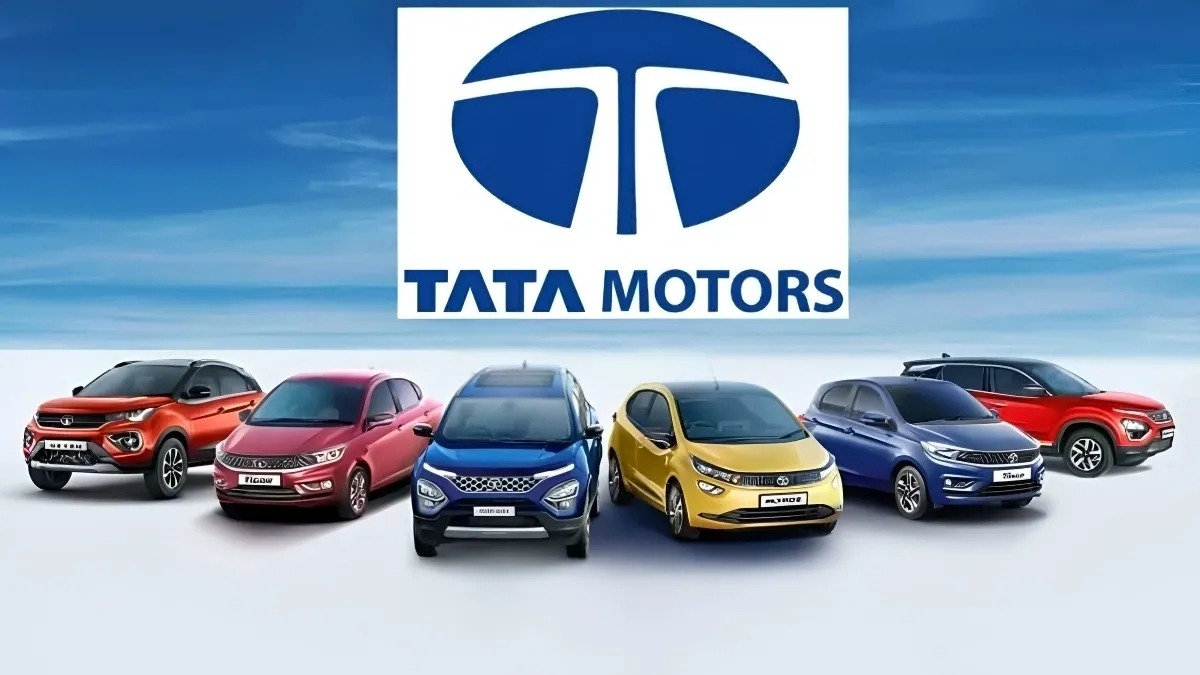
Tata Motors Passenger Vehicles has announced a price increase of up to 1.5% on its ICE and EV car and SUV models, effective July 1, 2026. This adjustment aims to partially offset the rising input costs and inflationary pressures currently impacting the broader Indian automotive industry.
Tata Motors Passenger Vehicles Ltd. (TMPV) has announced a strategic price revision across its passenger vehicle lineup, effective July 1, 2026. The company confirmed that the adjustment, which affects both Internal Combustion Engine (ICE) and electric vehicle (EV) models, is necessary to mitigate the impact of rising raw material costs and persistent inflation.
The price increase, capped at 1.5%, will apply to the company's entire range of cars and SUVs. This move follows a series of cost-management measures undertaken by the automotive industry as manufacturers navigate a challenging macroeconomic environment characterized by commodity price volatility and supply chain complexities.
Addressing Structural Cost Pressures
According to official communications from the company, the decision to raise prices is a direct response to the "sustained inflationary pressures" currently affecting the automotive manufacturing sector. While the automaker has historically attempted to absorb a portion of these costs internally, the cumulative impact on production expenses has necessitated this mid-year adjustment.
The revision applies to Tata’s popular lineup, which includes volume drivers such as the Nexon, Punch, Harrier, and Safari. By extending the price adjustment to its electric vehicle (EV) segment, the company is responding to the broader economic trends impacting both traditional and sustainable mobility segments.
Impact on Consumers and Market Dynamics
For prospective car buyers, the price revision serves as a signal that the automotive sector remains under significant cost pressure. Industry analysts suggest that this adjustment is part of a broader trend, with other major manufacturers also reassessing pricing strategies to maintain margins against rising logistics and material overheads.
Consumers planning to purchase a new vehicle are encouraged to check with their local Tata Motors dealership to understand how the 1.5% adjustment applies to specific models and variants, as the final impact may vary depending on the configuration and regional taxes.
Why It Matters
For potential owners and market observers, this price hike highlights the ongoing challenges of vehicle manufacturing in the current fiscal year. For Tata Motors, the increase is a vital step toward maintaining profitability while continuing to invest in research and development for its next-generation EV and ICE platforms.
Key Facts at a Glance
Effective Date: July 1, 2026.
Price Hike Limit: Up to 1.5% across ICE and EV models.
Primary Reason: Partially offsetting rising input costs and sustained inflation.
Scope: Applies to the complete range of Tata Motors cars and SUVs.
FAQ
1. Does the price hike apply to both EVs and gas cars?
Yes, Tata Motors has confirmed that the 1.5% price increase applies to both its Internal Combustion Engine (ICE) and electric vehicle (EV) portfolios.
2. Is the 1.5% hike uniform across all models?
No, the company stated that the increase is "up to 1.5%," meaning the exact revision will vary depending on the specific model and variant.
3. Why is Tata Motors raising prices now?
The company cited the need to offset rising input costs and sustained inflationary pressures that have been affecting the entire automotive manufacturing sector.
Official Sources