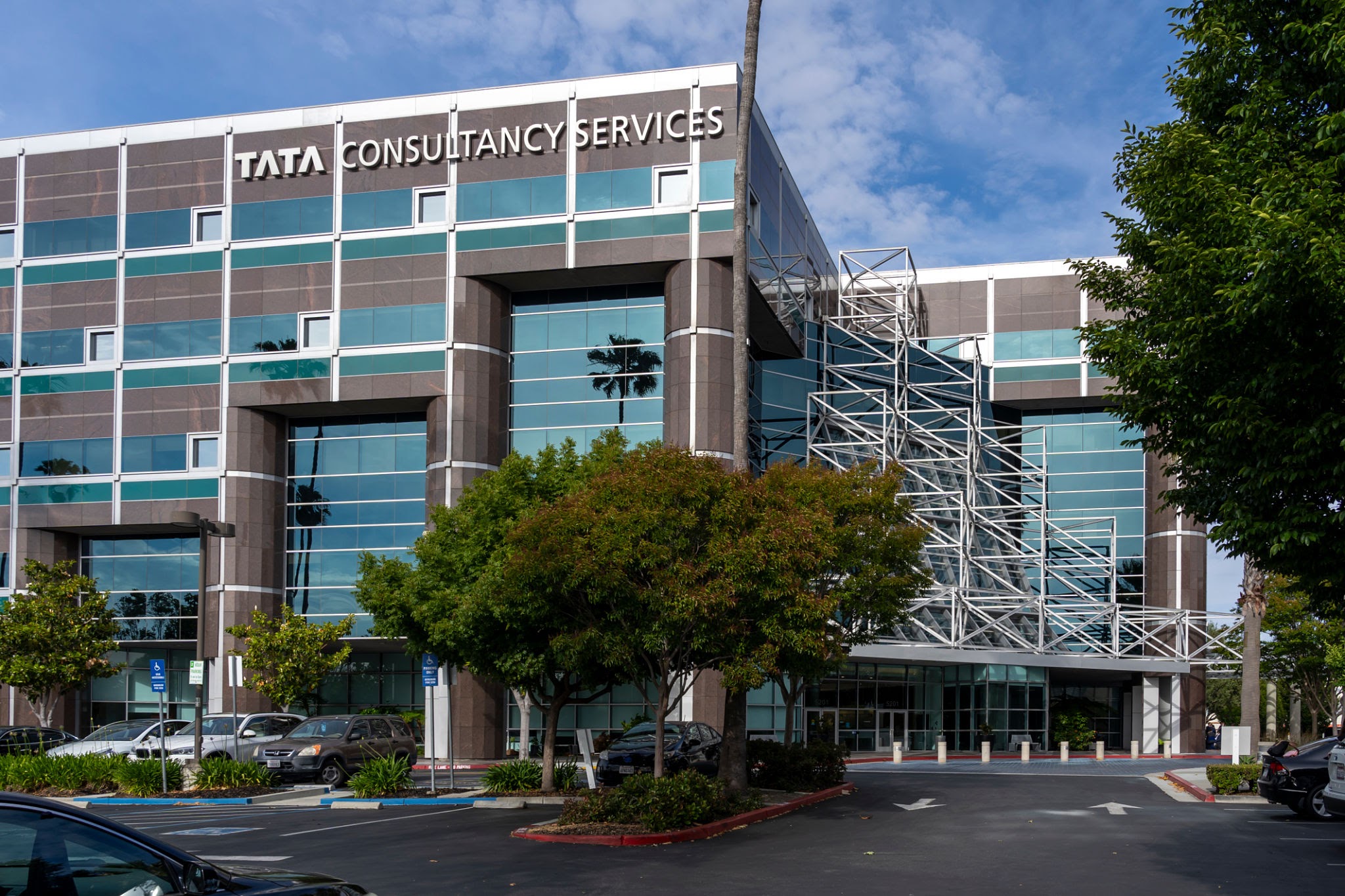
Tata Consultancy Services has launched a dedicated business unit designed to help global enterprises establish AI-native global capability centres. The specialized division provides automated blueprints, strategy consulting, and infrastructure development, helping multinational companies transition from traditional back-office cost savings to high-value, intelligence-driven regional innovation hubs.
MUMBAI — June 8, 2026 — Tata Consultancy Services (TCS), India’s largest information technology services exporter, announced today the launch of a dedicated business unit specifically designed to help global enterprises design, establish, and scale AI-native global capability centres. The new strategic division aims to address a critical market pivot, assisting multinational corporations in moving away from traditional, cost-centric captive offshoring models toward high-value, technology-driven innovation hubs.
The introduction of the specialized business unit comes amid a surge of corporate investment into artificial intelligence infrastructure and machine learning capabilities. By embedding artificial intelligence directly into the foundational framework of modern global capability centres, the Mumbai-headquartered IT giant intends to provide its international clientele with advanced cognitive automation, data analytics, and autonomous operational frameworks from inception, reducing the time required to achieve operational maturity.
Redefining the Architecture of Offshoring
According to corporate filings, the newly formed unit will operate within TCS’s broader enterprise transformation practice. The business unit will provide a holistic suite of services including strategic location assessment, talent architecture design, compliance advisory, and the deployment of proprietary AI platforms.
Historically, global capability centres often referred to as captive centers were established by Western firms in emerging economies primarily to reduce labor expenses across back-office functions like human resources, finance, and basic IT troubleshooting. However, over the past three years, the corporate mandate for these hubs has evolved. Modern global capability centres are increasingly expected to drive core engineering, product development, and predictive intelligence strategies for parent organizations.
By ensuring that newly established offshore centers are AI-native from day one, TCS aims to eliminate the complex software migration costs that legacy organizations face when trying to retrofit automation into older IT setups. The unit will leverage TCS's extensive partnerships with major hyperscale cloud providers and chip manufacturers to deliver pre-configured machine learning workflows tailored to specific sectors, such as banking, healthcare, and retail logistics.
Market Impact on Tech Talent and Corporate Investors
The establishment of this specialized division by TCS is expected to have an immediate impact on the global technology services ecosystem, particularly within regional tech hubs like Bengaluru, Hyderabad, Pune, and Mexico City.
For institutional investors and financial analysts tracking TCS (NSE: TCS, BSE: 532540), the move opens up an incremental, high-margin consulting revenue stream. It allows the technology service provider to capture market share at the initial strategy and design phase of corporate migration, before traditional software development contracts are even issued. For enterprise technology employees, the rise of AI-native global capability centres will accelerate the demand for advanced tech talent, specifically engineers specializing in large language model orchestration, data engineering, and automated cyber defense mechanisms.
Official Sources Section
The operational details and strategic objectives of the new business division were formally disclosed through a regulatory filing submitted by Tata Consultancy Services Limited to the National Stock Exchange of India (NSE) and the BSE Limited on June 8, 2026. The technical blueprints and market positioning statements were verified through official corporate statements released by the TCS Media Relations desk.
Corporate Leadership Perspectives
Commenting on the market rationale behind the new unit, executive leadership highlighted the fundamental shift occurring within enterprise operations.
"According to officials at the company, the traditional cost-arbitrage model of offshoring has reached structural maturity," stated a senior TCS technology architect during the briefing. "Our clients are no longer asking how to move processes overseas cheaply; they are asking how to build intelligent, autonomous hubs that can innovate independently. This dedicated business unit ensures that new global capability centres are engineered with artificial intelligence at their core, enabling predictive operations from day one."
Why It Matters
The launching of a dedicated business unit to build AI-native global capability centres highlights a broader transformation within global corporate consulting. As multinational enterprises face intensifying pressure to integrate cognitive systems into daily workflows, the traditional method of establishing an offshore center and training employees over several years is becoming unviable. Providing a ready-made, intelligence-driven operational blueprint allows global businesses to secure rapid market advantages, optimize multi-million-dollar tech investments, and minimize localized compliance risks.
Key Facts at a Glance
Core Initiative: TCS has launched a specialized business unit to design and scale AI-native global capability centres for enterprise clients.
Target Audience: Multinational corporations seeking to establish or modernize technology and innovation hubs.
Service Scope: Includes AI infrastructure design, cognitive process automation, talent sourcing, and regional regulatory compliance.
Strategic Shift: Pivots global capability centres from basic back-office cost savings to high-value, automated innovation environments.
Frequently Asked Questions (FAQ)
What is an AI-native global capability centre?
An AI-native global capability centre is a centralized corporate offshore facility engineered from inception around artificial intelligence, machine learning, and cloud-automated workflows, rather than relying on legacy software systems and manual operational methods.
How does this new TCS unit benefit international businesses?
The unit provides enterprise clients with pre-built automation blueprints, location analysis, and technology frameworks, helping them launch modern offshore centers faster while avoiding the costly retrofitting of older infrastructure.
Which industries are expected to adopt these AI-native hubs first?
According to industry deployment trends, highly regulated and data-intensive sectors such as banking, financial services, insurance (BFSI), retail logistics, and pharmaceutical research are expected to be the primary adopters.
Source: Tata Consultancy Services Limited,National Stock Exchange of India,